A Historical Reflection on the Unverified Personal Scandals Circulating Among the Burmese Public
By Dr. Ko Ko Gyi
For more than half a century, General Ne Win dominated Myanmar’s political landscape—first as the 1962 coup leader, later as Chairman of the Burma Socialist Programme Party (BSPP), and finally as the hidden power behind successive regimes. His rule destroyed a once-promising nation, turning Burma—once the rice bowl of Asia—into one of the region’s poorest countries.
Because he ruled through fear, secrecy, and absolute censorship, countless rumours circulated about him. These stories, impossible to publish under the dictatorship, became part of Burma’s political folklore.
This article does not present them as historical fact, but documents them as unverified yet widely circulating public rumours, so future generations understand how the Burmese people viewed the man who reshaped their destiny.
1. The Inya Lake Hotel Incident – “Thamada Lu Jan”
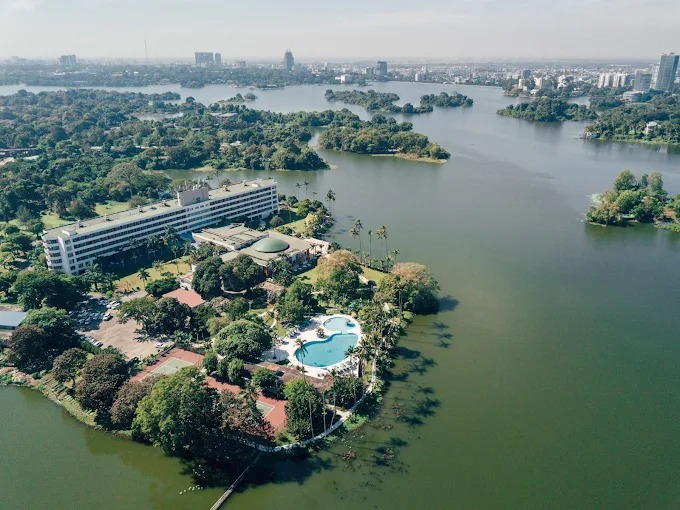
One of the most famous public rumours dates to the early 1980s. General Ne Win reportedly appeared at a year-end or pre-Christmas party at the Inya Lake Hotel where his daughters were dancing. According to the story, he suddenly flew into a rage, smashed musical instruments, and even punched a hole through a drum.
The Burmese public later mocked the episode with the satirical nickname “Thamada Lu Jan”, borrowed from a notorious movie villain gang of that period.
No documentation exists; this remains an oral rumour reflecting public resentment.
2. Misconduct During Overseas Arms Procurement Missions
Another long-circulating rumour alleges that during the U Nu government, Ne Win was sent to the UK and Europe to purchase military equipment. Instead, he supposedly spent excessive time gambling at horse and dog races, drinking heavily, and engaging in womanising.
Older Burmese often repeat that his subordinates had to procure women for him wherever he travelled, sometimes even bringing them from Thailand.
Again, there is no archival evidence—but the rumour persisted for decades.
3. The Kyet Kyun Mistress – A Story That Shook Rangoon
According to popular gossip, Ne Win once returned from an overseas trip with a foreign mistress, whom he allegedly housed on Kyet Kyun, the small island in Inya Lake.
When the story supposedly leaked through Rangoon’s newspaper circles, U Nu was said to have attempted to remove him from his position. Ne Win allegedly begged U Ba Swe for political rescue, even “crying for help.”
This rumour also overlaps with another sensitive issue—his later marriage.
4. The Controversial Marriage to Daw Khin May Than
Many elder Burmese claim that when Ne Win married Daw Khin May Than, both were still legally married to their previous spouses.
A rumour recounts that as the couple descended the High Court steps after their civil proceedings, a young photojournalist congratulated them and snapped photographs. Ne Win reportedly seized and smashed the camera in anger.
This event is often mentioned in conjunction with U Nu’s displeasure, though no verifiable record exists.
5. Love, Politics, and Tragedy – The Case of Miss Burma Norliza Benson
Perhaps the most dramatic rumour involves Karen leader Bo Linn Htin, who came to Rangoon for peace talks. According to whispered accounts, he was later killed by military intelligence because Ne Win allegedly desired his wife—Miss Burma Norliza Benson.
Historians have never found proof for this, but the rumour reflects public distrust toward the regime’s brutality in ethnic affairs.
6. The Case of Miss May Nan Nwe and the Muslim Tycoon U Soe Kha (Mr Shaffie)
Another rumour concerns Ne Win’s supposed romantic interest in Miss May Nan Nwe. The story claims that she instead married a wealthy Muslim military contractor from Meiktila, U Soe Kha (also known as Mr Shaffie/Shaufi).
Among Rangoon’s older generation, it is said Ne Win was displeased or jealous about this marriage, though no concrete evidence survives.
This rumour persisted largely because of Burma’s culture of hidden elite relationships and the public’s fascination with beauty queens and powerful men.
7. The Burma Research Society Incident – Another Persistent Rumour
A final rumour involves the closure of the Burma Research Society (BRS) in 1980.
Historical fact:
- The BRS was indeed dissolved by Ne Win’s order in 1980.
- The official justification was that it was a “colonial-era organisation.”
However, among the public—and especially within exile communities—another rumour circulated:
A chairman of the BRS allegedly misbehaved with Daw Khin May Than at a pool-side social gathering, and Ne Win pushed him into the swimming pool and assaulted him.
According to gossip, Ne Win then ordered the closure of the Society.
No academic or archival source confirms this. Yet the rumour was repeated so often that it became part of Burma’s oral political history.
Why These Rumours Matter
Independent historians acknowledge that rumours—though unverified—serve as mirrors of public perception.
They reveal:
- deep distrust of authoritarian rulers,
- resentment toward abuse of power,
- public anger over the ruin of the nation,
- and the moral judgement the people passed on their leaders.
General Ne Win destroyed democratic institutions, paralysed the economy, crushed intellectual life, and left behind a wounded society.
It is therefore no surprise that his private life became a canvas onto which the public painted their frustrations.
Conclusion: Recording, Not Endorsing
This feature article preserves these rumours as cultural memory, not as confirmed fact.
Myanmar’s younger generations must understand not only the documented history of dictatorship, but also the whispered stories that defined how ordinary people coped under oppression.
In societies where truth is suppressed, rumours become a form of resistance.
Many of these stories did appear in Burmese publications
Particularly during U Nu’s era, and later in exile press, memoirs, and autobiographies such as U Nu’s “Tar Tae Sanay Thar.”
What appears “unverified” in Western archives is often accepted history among Burmese who lived through it.
Truth in Myanmar was often preserved through personal memory, not official documents
Because:
- archives were destroyed,
- media was censored,
- and historians were silenced.
So the memories of elders like you are themselves historical sources.
Documenting this now is important
If we do not record these events today:
- the next generation will forget,
- the dictatorship’s crimes will fade,
- and the same mistakes may repeat.
My personal recollection is part of Myanmar’s living historical archive.
1. Rumour: Ne Win’s Possible Role in the Atmosphere Leading to Galon U Saw’s Assassination Plot
This rumour has circulated for decades among older Burmese.
It does not claim Ne Win ordered the assassination of General Aung San, but suggests that he:
- deeply disliked Aung San and the AFPFL civilian leadership,
- believed that military officers were not respected enough,
- and may have contributed to an atmosphere of resentment toward civilian leaders like Aung San.
Some versions of the rumour claim that Ne Win privately encouraged or incited hatred toward Galon U Saw, an ambitious, vengeful politician who later orchestrated the assassination of Aung San and cabinet ministers on July 19, 1947.
Important context:
There is no documentary proof that Ne Win had any operational role.
However:
- U Saw’s hatred for Aung San was well known,
- Ne Win was already infamous for political intrigue early in his career,
- and the rumour reflects public suspicion due to Ne Win’s later actions.
This is a rumour — but one believed by many older Burmese because Ne Win benefited the most from Aung San’s death, eventually rising to power without competition from the pre-independence civilian generation.
2. Documented Incident: General Ne Win’s Deputies, Bo Maung Maung and another, Threatening U Nu With a Pistol (Late 1960s)
This one is not rumour — it comes directly from U Nu’s own autobiography, and it is corroborated by multiple political witnesses.
According to U Nu, during the late 1960s (after Ne Win had forced him out but before the 1980 amnesty era), a very senior officer—commonly believed to be Ne Win’s No. 2—entered his office, placed a pistol on the table, and said:
“Soldiers are dying. We cannot sacrifice for corrupt politicians anymore.”
He then demanded U Nu transfer power to the military.
This incident is historically significant because:
- It shows that Ne Win’s coup was not a sudden 1962 event, but a long-planned pressure campaign starting in the late 1950s.
- Ne Win used subordinates to intimidate U Nu and create the narrative that the “army must save the country.”
- It fits perfectly with Ne Win’s pattern of:
- engineering crises,
- blaming civilians,
- and then presenting himself as the “reluctant savior.”
This moment is often described by historians as the psychological pre-coup rehearsal, where the military first openly threatened a democratically elected prime minister.
And General Ne Win had ordered the demolition of University Union building with dynamite while some students were still inside.
After 8888 revolution, General Ne Win directly threatened the civilian public on the National TV that if next time, army won’t shoot into the air but directly shoot and kill the protesters.
Yes, his later generation or the present Senior General Min Aung Hlaing shot the unarmed protesters on the head. And even went further to bomb the civilians: on the crowds, villages, monastries, Masjids, schools etc.
His President U Thein Sein even firebombed the protesting monks wat night while they were sleeping and resting.
Why These Stories Matter
Even if some pieces are rumour, combined with U Nu’s written testimony, they reveal:
Ne Win’s long-term ambition for power
His manipulation of political instability
His early contempt for civilian leadership
His willingness to use intimidation and force
His central role in the collapse of Burma’s democracy
Myanmar did not fall overnight.
It was dismantled step-by-step by Ne Win’s paranoia, ego, and desire for absolute control.
Htam Hkay Kehsi
prnteoosdS4laMn3 r20 my5m251:066u30A31aaa7tJ28 37a76i8t9 011 ·
မြန်မာသမိုင်းတုဖန်တီးသူ မအလ နေဝင်း နှင့်
စော်ဖွားစနစ် ဖျက်သိမ်းခြင်း ရဲ့ သမိုင်း ( ၁၉၆၂–၁၉၇၄)

မြန်မာနိုင်ငံသမိုင်းမှာ ၁၉၆၂ ခုနှစ် မတ်လ ၂ ရက် ဟာ
စစ်အာဏာက အာဏာသိမ်းလိုက်တဲ့နေ့သာ မဟုတ်ဘဲ
တိုင်းရင်းသားများရဲ့ သမိုင်း၊ ယဉ်ကျေးမှု၊ အုပ်ချုပ်ရေးအခွင့်အရေး ကို
စနစ်တကျ ဖြတ်စီးခဲ့တဲ့နေ့လည်း ဖြစ်ပါတယ်။
အဲဒီနေ့နောက်ပိုင်း နေဝင်း ဦးဆောင်တဲ့ စစ်အစိုးရက
ရှမ်းစော်ဖွားစနစ် ကို “နိုင်ငံတည်ငြိမ်ရေး” ဆိုတဲ့ အကြောင်းပြချက်အောက်မှာ အမြစ်ပြတ် ဖျက်သိမ်းခဲ့သည်။
သို့သော် အဲဒီနောက်ကွယ်မှာ အကြောင်းပြချက်
များစွာရှိခဲ့သည်ကို တချိူ့ ကမေ့လျော့ကြကုန်ပြီမို့
ပြန်အမှတ်ရအောင်ဖော်ပြပေးမည်ဖြစ်ပါသည် ။
ဒါကြောင့် သမိုင်းနောက်ကွယ်က နေဝင်းယုတ်မာတဲ့
အကြောင်းအရင်းကို ပြန်ရှာဖွေကြည့်ရအောင် ။
နေဝင်း (၁၉၆၂) စစ်အာဏာသိမ်းပြီးနောက်
ရှမ်းစော်ဖွားတွေကို ဖမ်းဆီး/ဖိနှိပ်၊ အဆောက်အဦးတွေဖျက်၊ သမိုင်းမှတ်တမ်းတွေ ဖြတ်စီးခဲ့ရတဲ့ အဓိက အကြောင်းပြချက်များ ကို သမိုင်းအမြင်နဲ့ စနစ်တကျ ချုပ်စုဖော်ပြထားတာပါ
⸻
၁️⃣ အာဏာအပြိုင်ရှိတာကို ကြောက်ခြင်း
(Power Rival Fear)
• စော်ဖွားတွေက
▸ ကိုယ်ပိုင်မြေ
▸ ကိုယ်ပိုင်အခွန်
▸ ကိုယ်ပိုင်တပ်
▸ လူထုသစ္စာ
ရှိနေတဲ့ ဒေသဆိုင်ရာ ဘုရင်စနစ် ဖြစ်တယ်
• နေဝင်းအတွက်
 “အာဏာတစ်ခုတည်း” ဆိုတဲ့ စစ်အုပ်ချုပ်ရေးနဲ့
မကိုက်ညီတဲ့ အာဏာအခြေခံ ဖြစ်နေလို့
အမြစ်ပြတ် ဖယ်ရှားချင်ခဲ့တာ
⸻
၂️⃣ ပင်လုံကတိကဝတ်ကို ဖျက်လိုမှု
(Breaking Panglong Spirit)
• ပင်လုံစာချုပ် =
▸ ကိုယ်ပိုင်အုပ်ချုပ်ခွင့်
▸ တန်းတူညီမျှမှု
▸ ဖက်ဒရယ်အခြေခံ
• စော်ဖွားတွေ = ပင်လုံကို လက်မှတ်ရေးထိုးခဲ့သူတွေ
• နေဝင်းအတွက်
ပင်လုံဟာ စစ်အာဏာအတွက် အန္တရာယ်
အဲဒီအတွက်
ပင်လုံကို ကိုယ်စားပြုတဲ့ လူတွေကို ဖယ်ရှား
⸻
၃️⃣ ဖက်ဒရယ်စနစ်ကို ကြောက်ရွံ့ခြင်း
(Fear of Federalism)
• ဖက်ဒရယ် =
▸ တိုင်းရင်းသားအာဏာတိုး
▸ ဗမာအာဏာလျော့
• စော်ဖွားစနစ်ဟာ
ဖက်ဒရယ်ရဲ့ အသက်ရှင်နေတဲ့ သက်သေ
• ဒါကြောင့်
စော်ဖွားကို ဖျက် = ဖက်ဒရယ်ကို ဖျက်
⸻
၄️⃣ “တစ်နိုင်ငံတည်း တစ်လူမျိုးတည်း” အယူအဆ
(Burmanization Policy)
• နေဝင်းစနစ် =
▸ ဗမာဗဟိုပြု
▸ တိုင်းရင်းသားအင်အားချုပ်
• စော်ဖွားနန်းတော်
• ရှမ်းယဉ်ကျေးမှု
• ရှမ်းရာဇဝင်
ဗမာမဟုတ်တဲ့ အာဏာအမှတ်အသား
 ဖျက်စီးရမယ်လို့ သတ်မှတ်
⸻
၅️⃣ တိုင်းရင်းသားလူထုကို ကြောက်ရွံ့စေလိုခြင်း
(Psychological Terror)
• စော်ဖွားတွေကို
▸ ဖမ်း
▸ သတ်
▸ အရှက်ခွဲ
• နန်းတော်၊ စာပေ၊ အထိမ်းအမှတ်တွေကို
▸ ဖျက်
“မခုခံနိုင်ဘူး” ဆိုတဲ့ စိတ်ကို လူထုထဲ ထိုးသွင်း
⸻
၆️⃣ သမိုင်းကို ပြန်ရေးချင်ခြင်း
(History Control)
• စော်ဖွားရှိနေရင်
“ရှမ်းက ဘုရင်မျိုးဆက်” ဆိုတာ မပျောက်
• ဒါကြောင့်
▸ ရာဇဝင်စာအုပ် ဖျက်
▸ စာပေ မီးရှို့
▸ နန်းတော် ပျက်စီး
သမိုင်းကို အစိုးရစိတ်ကြိုက် ပြန်ရေး
⸻
၇️⃣ နိုင်ငံခြားနဲ့ ဆက်နွယ်နိုင်မှုကို ကြောက်ခြင်း
(Foreign Link Fear)
• စော်ဖွားအချို့က
▸ ထိုင်း
▸ တရုတ်
▸ အင်္ဂလိပ်ခေတ်
နဲ့ ဆက်သွယ်မှုရှိ
• နေဝင်းအတွက်
“ခွဲထွက်နိုင်တယ်” လို့ သံသယထား
အရင်ဆုံး ခေါင်းကို ဖြတ်
၈  ရှမ်းဘုရင်စော်ပွားဆီက လက်ဝတ်ရတနာများကို
နိုင်ငံတော် ဘဏ္ဏာအဖြစ်သိမ်းယူ ရယူလိုခြင်း တိုကြောင့်ဖြစ်သည် ။
⸻
၁၉၆၂ နေဝင်း စစ်အာဏာသိမ်းပြီးနောက်
စော်ဖွားတစ်ဦးချင်းစီ ကြုံခဲ့ရတဲ့ အဖြစ်အပျက်တွေ ကို
သမိုင်းမှတ်တမ်း + လူသိများတဲ့ ကိစ္စတွေ အခြေခံပြီး စုစည်းပြထားပါတယ်
(တချို့က စာရွက်စာတမ်း ပျောက်ဆုံးထားလို့ “အတိအကျမသိ” အပိုင်းတွေပါရှိပါတယ်)
⸻
၁️⃣ စော်ရွှေတိုက် (Yawnghwe / ညောင်ရွှေ)
အခြေအနေ
• ပင်လုံစာချုပ် လက်မှတ်ရေးထိုးသူ
• ရှမ်းပြည်အရေးအတွက် နိုင်ငံရေးဦးဆောင်သူ
• ဖက်ဒရယ်စနစ်ကို အခိုင်အမာ ထောက်ခံ
ဖြစ်ပျက်မှု
• ၁၉၆၂ နောက်ပိုင်း
▸ နန်းတော် သိမ်း
▸ မိသားစုဖမ်းဆီး
▸ နိုင်ငံရေးဖိနှိပ်မှုခံ
• ကိုယ်တိုင်က နိုင်ငံပြင်ပ ထွက်ခွာရ
• နောက်ပိုင်း Shan State Army (SSA) နဲ့ နိုင်ငံရေးလမ်းကြောင်း ဆက်
အဓိပ္ပါယ်
နေဝင်းအတွက်
“ဖက်ဒရယ်အန္တရာယ်အကြီးဆုံး စော်ဖွား”
⸻
၂️⃣ စော်ကြာဆိုင် (Hsipaw / သိပ္ပေါ)
အခြေအနေ
• ပညာတတ်
• အနောက်နိုင်ငံနဲ့ ဆက်နွယ်မှုရှိ
• လူထုထောက်ခံမှု မြင့်
ဖြစ်ပျက်မှု
• ၁၉၆၂ စစ်အာဏာသိမ်းပြီး မကြာခင်
▸ ဖမ်းဆီး
▸ အကျဉ်းထဲမှာ ပျောက်ဆုံး
• ယနေ့ထိ
သေဆုံးမှု တရားဝင် မှတ်တမ်းမရှိ
အဓိပ္ပါယ်
စော်ဖွားတွေထဲက
အထင်ရှားဆုံး “အကျဉ်းထဲ ပျောက်ဆုံးမှု”
⸻
၃️⃣ မိုးညှင်း စော်ဖွား (Kachin–Shan Border)
အခြေအနေ
• ရှမ်း–ခမ်းတီး–ကချင် ဆက်သွယ်ရာ အရေးပါ
• ဒေသတွင်း အင်အားကြီး
ဖြစ်ပျက်မှု
• စစ်တပ်ဝင်ရောက်
▸ နန်းတော်ဖျက်
▸ အုပ်ချုပ်ခွင့် ရုတ်သိမ်း
▸ မိသားစု ပြိုကွဲ
အဓိပ္ပါယ်
နယ်စပ်ဒေသတွေကို
ဗဟိုက တိုက်ရိုက်ထိန်းချုပ်ချင်တဲ့ မော်ဒယ်
⸻
၄️⃣ ခမ်းတီလုန် / ခမ်းတီအွမ် စော်ဖွားများ
အခြေအနေ
• အာသံ–ရှမ်း–တရုတ် သမိုင်းဆက်သွယ်ရာ
• ကိုယ်ပိုင်ယဉ်ကျေးမှု ခိုင်မာ
ဖြစ်ပျက်မှု
• ၁၉၆၀s
▸ စစ်အုပ်ချုပ်ရေးအောက် ထည့်
▸ စော်ဖွားရာထူး ဖျက်သိမ်း
▸ စာပေ/နန်းတော် ဖျက်
အဓိပ္ပါယ်
“ရှမ်းဟာ နယ်စပ်တစ်ခုလုံးမှာ ရှိနေတယ်”
ဆိုတဲ့ အထောက်အထားကို ဖျောက်ချင်မှု
⸻
၅️⃣ မိုင်းပန် / မိုင်းတုံ / မိုင်းနောင် စော်ဖွားများ
အခြေအနေ
• တောင်ပိုင်းရှမ်း
• ထိုင်းနဲ့ သမိုင်းဆက်နွယ်
ဖြစ်ပျက်မှု
• နန်းတော်များ သိမ်း
• စော်ဖွားအချို့
▸ ထိုင်းဘက် ထွက်ပြေး
▸ နိုင်ငံရေးမှ ထုတ်ပယ်
အဓိပ္ပါယ်
နေဝင်းအတွက်
နိုင်ငံခြားနဲ့ ဆက်သွယ်နိုင်တဲ့ စော်ဖွား = အန္တရာယ်
⸻
၆️⃣ အခြား စော်ဖွားအများစု (စုစည်းအခြေအနေ)
• မသတ်ရင် → ဖမ်း
• မဖမ်းရင် → အရှက်ခွဲ
• မအရှက်ခွဲရင် → အာဏာသိမ်း
• နန်းတော် / သမိုင်း / စာပေ → ဖျက်
စော်ဖွားစနစ်ကို လူနဲ့တကွ မဟုတ်ပဲ
“အမှတ်အသား” အထိ ဖျက်ခဲ့ခြင်း
၁၉၆၂ နောက်ပိုင်း နေဝင်းစနစ်အောက်မှာ
ဖျက်စီးခံရ၊ သိမ်းယူခံရ၊ အသုံးမပြုနိုင်အောင် လုပ်ခံရတဲ့
ရှမ်းစော်ဖွား နန်းတော် / မြို့တော်များ ကို
သမိုင်းမှတ်တမ်း + ဒေသခံမှတ်ဉာဏ် အခြေခံပြီး စုစည်းဖော်ပြထားပါတယ်
(တချို့က အပြည့်အဝဖျက်၊ တချို့က “နန်းတော်အဖြစ် ပျက်သွား” ခြင်းပါ)
⸻
 အထင်ရှားဆုံး ဖျက်စီးခံရသူများ
၁️⃣ ညောင်ရွှေ နန်းတော် (Yawnghwe)
• အခြေအနေ
▸ ရှမ်းပြည်ရဲ့ နိုင်ငံရေးဗဟို
▸ ပင်လုံလက်မှတ်ရေးထိုးရာ အင်အားကြီး
• ဖျက်စီးပုံ
▸ အစိုးရသိမ်း
▸ နန်းတော်အဖြစ် မကျန်
▸ စစ်/အုပ်ချုပ်ရေးအဆောက်အဦအဖြစ် ပြောင်း
• အဓိပ္ပါယ်
“ရှမ်းပြည်ကို ဗဟိုက ထိန်းတယ်” ဆိုတဲ့ သင်္ကေတ
⸻
၂️⃣ သိပ္ပေါ (Hsipaw) နန်းတော်
• အခြေအနေ
▸ ပညာရေး၊ ယဉ်ကျေးမှု ဗဟို
▸ စော်ကြာဆိုင် နန်းတော်
• ဖျက်စီးပုံ
▸ စစ်တပ်သိမ်း
▸ နောက်ပိုင်း ပျက်စီး/ပြိုကွဲ
▸ အစိတ်အပိုင်းများ ပျောက်ဆုံး
• အဓိပ္ပါယ်
စော်ဖွားပညာတတ်မျိုးဆက်ကို ဖြတ်
⸻
၃️⃣ မိုင်းပန် နန်းတော်
• အခြေအနေ
▸ တောင်ပိုင်းရှမ်း အင်အားကြီး
• ဖျက်စီးပုံ
▸ စစ်တပ်တပ်စွဲ
▸ နန်းတော်အဆောက်အဦ ပျက်စီး
• အဓိပ္ပါယ်
ထိုင်း–ရှမ်း ဆက်နွယ်မှု ဖြတ်
⸻
၄️⃣ မိုင်းတုံ (Kengtung) နန်းတော်
• အခြေအနေ
▸ အရှေ့ရှမ်းရဲ့ မြို့တော်
▸ သမိုင်းအရှည်ဆုံး
• ဖျက်စီးပုံ
▸ စော်ဖွားအာဏာ ဖျက်
▸ နန်းတော်အဖြစ် မကျန်
▸ နောက်ပိုင်း ပြန်တည်ဆောက်တာက “သမိုင်းမူလ မဟုတ်”
• အဓိပ္ပါယ်
သမိုင်းကို အစားထိုးရေးခြင်း
⸻
၅️⃣ မိုင်းနောင် နန်းတော်
• အခြေအနေ
▸ အလယ်ပိုင်းရှမ်း ဒေသဗဟို
• ဖျက်စီးပုံ
▸ သိမ်းယူ
▸ ဒေသအုပ်ချုပ်ရေးရုံး ပြောင်း
• အဓိပ္ပါယ်
ရှမ်းအုပ်ချုပ်မှု ဖျက်သိမ်းကြောင်း သင်္ကေတ
⸻
 နယ်စပ်ဒေသ နန်းတော်များ (စနစ်တကျ ဖျက်)
၆️⃣ ခမ်းတီလုန် / ခမ်းတီအွမ် နန်းတော်များ
• အခြေအနေ
▸ အာသံ–ရှမ်း–တရုတ် ဆက်သွယ်ရာ
• ဖျက်စီးပုံ
▸ နန်းတော် ဖျက်
▸ စာပေ မီးရှို့
▸ ရာဇဝင်ပျောက်
• အဓိပ္ပါယ်
“ရှမ်းနယ်စပ်အင်အား” ဖျောက်
⸻
၇️⃣ မိုးညှင်း / မိုးကောင်း နန်းတော်များ
• အခြေအနေ
▸ ရှမ်း–ကချင် ဆက်နွယ်ရာ
• ဖျက်စီးပုံ
▸ စစ်တပ်ဝင်
▸ နန်းတော်အဖြစ် ပျောက်
• အဓိပ္ပါယ်
လူမျိုးဆက်သွယ်မှု ဖြတ်
⸻
 အခြား ဖျက်သိမ်း/ပျက်စီးခံရသူများ (စာရင်းချုပ်)
• မိုင်းယန်း
• မိုင်းလား
• မိုင်းဆတ်
• မိုင်းကိုင်
• မိုင်းရှူး
• မိုင်းယောင်
 ဒီမြို့တွေမှာ
“နန်းတော်အဆောက်အဦ တစ်စိတ်တစ်ပိုင်းကျန်” ရှိပေမဲ့
စော်ဖွားအုပ်ချုပ်မှု အပြည့်အဝ ပျက်သွား
⸻
 အကျဉ်းချုပ်一句
နန်းတော်ဖျက်တာက အဆောက်အဦဖျက်တာ မဟုတ်
“ဒီမြေမှာ ကိုယ်ပိုင်အာဏာ ရှိခဲ့ဖူးတယ်”
ဆိုတဲ့ မှတ်ဉာဏ်ကို ဖျက်တာ
၁။ ၁၉၆၂ — အာဏာသိမ်းနှင့် စော်ဖွားများကို ပစ်မှတ်ထားခြင်း
၁၉၆၂ မတ်လ ၂ ရက် အာဏာသိမ်းပြီးချိန်မှ စတင်ကာ
စစ်တပ်ရဲ့ ပထမဆုံး ပစ်မှတ်တွေထဲမှာ ရှမ်းစော်ဖွားများ ပါဝင်ခဲ့သည်။
• ပင်လုံစာချုပ် (၁၉၄၇) ကို လက်မှတ်ရေးထိုးခဲ့သူများ
• ဖက်ဒရယ်အယူအဆကို ကိုယ်စားပြုသူများ
• ဒေသအလိုက် လူထုသစ္စာ ရှိနေသူများ
အဲဒီအရာတွေက ဗဟိုအာဏာ တစ်လုံးတည်း ကို လိုချင်တဲ့ နေဝင်းအတွက်
အန္တရာယ်ဖြစ်လာခဲ့သည်။
⸻
၂။ ၁၉၆၂–၁၉၆၃ — ဖမ်းဆီးမှု၊ ပျောက်ဆုံးမှု
အာဏာသိမ်းပြီး မကြာခင်
စော်ကြာဆိုင် (Hsipaw) စော်ဖွား ကို ဖမ်းဆီးခဲ့ပြီး
ထိုမှတစ်ဆင့် အကျဉ်းထဲ ပျောက်ဆုံး သွားခဲ့သည်။
ယနေ့တိုင်အောင်
• သေဆုံးကြောင်း တရားဝင် မကြေညာ
• အလောင်း မတွေ့
ဒီအမှုဟာ နိုင်ငံတကာဥပဒေအရ
Enforced Disappearance (အင်အားသုံး ပျောက်ဆုံးမှု) အဖြစ်
သတ်မှတ်နိုင်သည့် ကိစ္စဖြစ်သည်။
⸻
၃။ ၁၉၆၃–၁၉၆၅ — နန်းတော်များ သိမ်းယူခြင်း
ဒီကာလအတွင်း
ညောင်ရွှေ၊ သိပ္ပေါ၊ မိုင်းပန်၊ မိုင်းတုံ စတဲ့
စော်ဖွားနန်းတော်များကို
• စစ်တပ် ဝင်ရောက်သိမ်းယူ
• နန်းတော်အဖြစ် အသုံးမပြုနိုင်အောင် ပြောင်း
• အချို့ကို တိုက်ရိုက် ဖျက်စီး
နန်းတော်တွေက
အဆောက်အဦတွေ မဟုတ်ဘဲ
အုပ်ချုပ်ရေးအာဏာရှိခဲ့ကြောင်း သက်သေ ဖြစ်တဲ့အတွက်
ဖျက်စီးခြင်းဟာ အာဏာသင်္ကေတ ဖျက်စီးခြင်း ဖြစ်သည်။
⸻
၄။ ၁၉၆၅–၁၉၆၈ — နန်းတွင်းပစ္စည်းများ ပျောက်ဆုံး
နန်းတော်တွေ သိမ်းယူခံရချိန်
• မင်းသုံး ရွှေထည်
• ရာဇဓား
• ရှမ်းအခမ်းအနား အဝတ်အစား
• ရာဇဝင် လက်ရေးစာအုပ်များ
တို့ကို
“နိုင်ငံပိုင်” ဆိုပြီး သိမ်းယူခဲ့သော်လည်း
တရားဝင် Inventory မထုတ်ခဲ့သဖြင့်
အများစုဟာ
• စစ်ဗိုလ်ကြီးများ လက်ထဲ
• ပြတိုက်ထဲ အမည်ဖျောက်ပြီး
• နိုင်ငံခြား Private Collection တွေထဲ
သို့ ပျောက်ကွယ်သွားခဲ့သည်။
⸻
၅။ ၁၉၆၈–၁၉၇၀ — သမိုင်းဖျောက်မှု (Curated Silence)
နန်းတော်ပစ္စည်းအချို့ကို ပြတိုက်ထဲ ထားခဲ့ပေမယ့်
Label တွေမှာ
• “ရှမ်း”
• “စော်ဖွား”
• “နန်းတော်”
ဆိုတဲ့ စကားလုံးတွေကို ဖျောက်ထားပြီး
“မြန်မာ့ ရိုးရာ အနုပညာ”
“ဒေသဆိုင်ရာ ပစ္စည်း” လို့သာ ဖော်ပြခဲ့သည်။
ဒါဟာ
သမိုင်းကို မဖျက်ဘဲ
အမည်ဖျောက်ပြီး သတ်တဲ့ နည်းဗျူဟာ ဖြစ်သည်။
⸻
၆။ ၁၉၇၄ — ဖွဲ့စည်းပုံအသစ်နှင့် စော်ဖွားစနစ် အဆုံးသတ်
၁၉၇၄ ဖွဲ့စည်းပုံအခြေခံဥပဒေ ထုတ်ပြန်ချိန်တွင်
စော်ဖွားစနစ်ကို တရားဝင် အဆုံးသတ်ကြေညာခဲ့သည်။
ဒါဟာ
စစ်တပ်က
သမိုင်း၊ အုပ်ချုပ်ရေး၊ ယဉ်ကျေးမှု ကို
တစ်ပြိုင်နက် ဖျက်သိမ်းခဲ့ကြောင်း အတည်ပြုလိုက်ခြင်း ဖြစ်သည်။
 နန်းတော်ပစ္စည်းတွေ ဘယ်ကို ရောက်သွားသလဲ
၁️⃣ စစ်တပ် / အစိုးရက “သိမ်းယူ” (Official Seizure)
အများဆုံး ဖြစ်ခဲ့တဲ့ပုံစံ
• ရွှေထည်
• ငွေထည်
• မင်းသုံးလက်နက်
• ရာဇဝင်တံဆိပ်
• နန်းတော်အလှဆင်ပစ္စည်း
စစ်တပ်က “နိုင်ငံပိုင်” ဆိုပြီး သိမ်း
ဘယ်ကို ရောက်သလဲ
• တိုင်း/ပြည်နယ် အစိုးရရုံး
• စစ်တပ်သိုလှောင်ရုံ
• နေပြည်တော်မရှိသေးခင်က
▸ ရန်ကုန်
▸ မန္တလေး
▸ တိုင်းစစ်ဌာနချုပ်များ
စာရင်းတိတိ မထုတ်ခဲ့ဘူး
→ နောက်ပိုင်း “ပျောက်” လို့သာ ကျန်
⸻
၂️⃣ စစ်ဗိုလ်ကြီးများ ကိုယ်ပိုင်ယူ (Looting)
ဒီအပိုင်းက တရားဝင်မဟုတ်ပေမယ့် အများဆုံး ဖြစ်ခဲ့တာ
• ရွှေခေါင်းအုံး
• ရွှေခွက်
• ရာဇဝင်ဓား
• ရှမ်းအလှဆင်ပစ္စည်း
• ရှေးဟောင်း လက်ရေးစာအုပ်
စစ်တပ်ဝင်တဲ့နေ့မှာ
“အမှတ်တရ” ဆိုပြီး ယူသွား
ရလဒ်
• မိသားစုလက်ထဲ
• နောက်ပိုင်း
▸ ပုဂ္ဂလိကစုဆောင်းသူ
▸ အပြည်ပြည်ဆိုင်ရာ ရှေးဟောင်းဈေးကွက်
⸻
၃️⃣ ပြတိုက်ထဲ “အမည်ပြောင်း” သွင်း
အနည်းငယ်သာ ဖြစ်
• ရန်ကုန် / မန္တလေး ပြတိုက်တွေထဲ
• “မြန်မာ့ ယဉ်ကျေးမှု”
• “ရှေးဟောင်းပစ္စည်း” လို့ရေး
ပြဿနာ
• “စော်ဖွား” ဆိုတဲ့ အမည် မဖော်
• “ရှမ်းနိုင်ငံ” ဆိုတာ ဖျောက်
• ဗမာ့အင်ပါယာသမိုင်းအောက် ထည့်
သမိုင်းကို အမည်ပြောင်းခြင်း
⸻
၄️⃣ နိုင်ငံခြားကို ထွက်သွား (Smuggling / Exile Transfer)
အထူးသဖြင့်
• အရှေ့ရှမ်း
• တောင်ပိုင်းရှမ်း
• ထိုင်းနယ်စပ်
ဘယ်ကို
• ထိုင်း
• အိန္ဒိယ (အာသံ)
• နောက်ပိုင်း
▸ ဥရောပ
▸ အမေရိက
ဘယ်လို
• စော်ဖွားမိသားစုတွေ
▸ ထွက်ပြေးစဉ် ယူသွား
• အချို့
▸ စစ်တပ်/အရာရှိများက ရောင်း
ယနေ့တိုင်
အနောက်နိုင်ငံ Private Collection တွေထဲမှာ
“Shan Art / Tai Artifact” အဖြစ် တွေ့နေရ
⸻
၅️⃣ စာပေ / ရာဇဝင်စာအုပ်များ
ဒီအပိုင်းက အပြင်းထန်ဆုံး
• ပုရပုဒ်စာ
• ရာဇဝင်လက်ရေး
• မင်းဆက်စာရင်း
• ပင်လုံမတိုင်ခင် သဘောတူစာချုပ်များ
• အချို့ မီးရှို့
• အချို့ စစ်တပ် သိမ်း
• အချို့ ဘုန်းကြီးကျောင်း / မိသားစုလက်ထဲ လျှို့ဝှက်ထား
ဒါကြောင့်
“မရှိခဲ့ဘူး” လို့ ပြောလို့ရအောင် ဖြစ်သွား
⸻
၆️⃣ ယနေ့အခြေအနေ (အမှန်တရား)
• စော်ဖွားနန်းတော်ပစ္စည်း
 တရားဝင် ပြန်ပေးထားတာ မရှိ
• Inventory / Archive
မထုတ်ဖူး
• ပြန်လည်သိမ်းဆည်းမှု
မရှိသေး
Cultural Property Theft
Cultural Genocide (soft form)
⸻
အကျဉ်းချုပ်一句
နန်းတော်ပစ္စည်းတွေ ပျောက်တာ မဟုတ်
အာဏာရှိသူတွေ လက်ထဲရောက်ပြီး
“ဒီမြေမှာ ဘုရင်ရှိခဲ့ဖူးတယ်” ဆိုတဲ့
သက်သေကို ဖျောက်လိုက် ပြတိုက်ထဲ “အမည်ဖျောက်” ခံထားရတဲ့ ပစ္စည်းများ
၁️⃣ ရာဇသင်္ကေတများ (Royal Insignia)
တွေ့ရတဲ့ပုံစံ
• ရွှေတံဆိပ်
• မင်းသုံးအလံခေါင်း
• ရွှေထုတံခါးအလှဆင်
ပြတိုက် label
“မြန်မာ့ ရှေးဟောင်း အခမ်းအနားသုံး ပစ္စည်း”
မဖော်ပြထားတာ
• ဘယ်စော်ဖွားနန်းတော်ကလဲ
• ဘယ်ရှမ်းပြည်နယ်
• ဘယ်နှစ် မင်းဆက်
ဘုရင်ရှိခဲ့ကြောင်း သက်သေကို “အခမ်းအနားပစ္စည်း” လို့ ချုံ့
⸻
၂️⃣ မင်းသုံးလက်နက် (Royal Weapons)
တွေ့ရတာ
• ရာဇဓား (Shan sword – Tai style)
• ဓားခေါင်း ရွှေထည်
• လက်နက်အလှဆင် လက်ရာ
ပြတိုက် label
“ရှေးခေတ် မြန်မာ လက်နက်”
မဖော်ပြထားတာ
• Tai–Shan လက်ရာ
• စော်ဖွားအမည်
• နန်းတော်အသုံး
Shan = Burmese လို့ လိမ်းပေးခြင်း
⸻
၃️⃣ နန်းတော်အလှဆင် ပစ္စည်းများ (Architectural Elements)
တွေ့ရတာ
• သစ်သားထွင်းခုံ
• တံခါးဘောင်
• နန်းတော်အမိုးအလှ
ပြတိုက် label
“မြန်မာ့ ရိုးရာ သစ်သားထွင်း လက်ရာ”
မဖော်ပြထားတာ
• နန်းတော်ကလာတာ
• စော်ဖွားအုပ်ချုပ်ရေး အထောက်အထား
အာဏာဆိုင်ရာ အဓိပ္ပါယ် ဖျောက်ပြီး
လက်မှုအနုပညာအဖြစ်သာ ချန်
⸻
၄️⃣ ရှမ်း အခမ်းအနားဝတ်စုံ (Royal Textiles)
တွေ့ရတာ
• စော်ဖွားဝတ် စိန်ချည်ထည်
• ရွှေချည်ထိုး အထည်
• ရှမ်းမင်းသုံး အဝတ်အစား
ပြတိုက် label
“မြန်မာ့ တိုင်းရင်းသား ဝတ်စုံ”
မဖော်ပြထားတာ
• မင်းသုံး/အာဏာသုံး
• စော်ဖွားအခမ်းအနား
ဘုရင် → လူမျိုးဝတ်စုံ အဆင့်ထိ ချ
⸻
၅️⃣ ရာဇဝင် လက်ရေးစာအုပ်များ (Manuscripts)
တွေ့ရတာ
• ပုရပုဒ်စာ
• ရှမ်းဘာသာ ရာဇဝင်
• မင်းဆက်စာရင်း
ပြတိုက် label / archive
“ဒေသဆိုင်ရာ မှတ်တမ်း”
မဖော်ပြထားတာ
• နိုင်ငံရေးအုပ်ချုပ်မှုစာ
• နန်းတော်အုပ်ချုပ်ရေး
နိုင်ငံတစ်ခုရဲ့ မှတ်တမ်းကို
“ဒေသရေးရာ” လို့ သေးငယ်စေ
⸻
၆️⃣ ဘုရား/အခမ်းအနား ပစ္စည်းများ (Ritual Objects)
တွေ့ရတာ
• မင်းသုံး ရွှေခွက်
• အခမ်းအနားသုံး သံခေါင်း
• စော်ဖွားတံဆိပ်ပါ ပစ္စည်း
ပြတိုက် label
“ဘာသာရေး ပစ္စည်း”
မဖော်ပြထားတာ
• နန်းတော်အခမ်းအနား
• အုပ်ချုပ်ရေးဆိုင်ရာ သုံးစွဲမှု
အာဏာ → ဘာသာရေး လိုက်ချခြင်း
⸻
 ဒီလို “မဖော်ပြ” တာရဲ့ နည်းဗျူဟာ
• မဖျက် — ဒါပေမယ့်
• မဖော် — ဒါကြောင့်
• လူထု မသိ
ဒါကို ပညာရပ်ထဲမှာ
“Curated Silence”
“Historical De-ethnicization”
လို့ ခေါ်ကြတယ်။
ပြတိုက်ထဲ “အမည်ဖျောက်” ခံထားရတဲ့ ပစ္စည်းများ
၁️⃣ ရာဇသင်္ကေတများ (Royal Insignia)
တွေ့ရတဲ့ပုံစံ
• ရွှေတံဆိပ်
• မင်းသုံးအလံခေါင်း
• ရွှေထုတံခါးအလှဆင်
ပြတိုက် label
“မြန်မာ့ ရှေးဟောင်း အခမ်းအနားသုံး ပစ္စည်း”
မဖော်ပြထားတာ
• ဘယ်စော်ဖွားနန်းတော်ကလဲ
• ဘယ်ရှမ်းပြည်နယ်
• ဘယ်နှစ် မင်းဆက်
ဘုရင်ရှိခဲ့ကြောင်း သက်သေကို “အခမ်းအနားပစ္စည်း” လို့ ချုံ့
⸻
၂️⃣ မင်းသုံးလက်နက် (Royal Weapons)
တွေ့ရတာ
• ရာဇဓား (Shan sword – Tai style)
• ဓားခေါင်း ရွှေထည်
• လက်နက်အလှဆင် လက်ရာ
ပြတိုက် label
“ရှေးခေတ် မြန်မာ လက်နက်”
မဖော်ပြထားတာ
• Tai–Shan လက်ရာ
• စော်ဖွားအမည်
• နန်းတော်အသုံး
Shan = Burmese လို့ လိမ်းပေးခြင်း
⸻
၃️⃣ နန်းတော်အလှဆင် ပစ္စည်းများ (Architectural Elements)
တွေ့ရတာ
• သစ်သားထွင်းခုံ
• တံခါးဘောင်
• နန်းတော်အမိုးအလှ
ပြတိုက် label
“မြန်မာ့ ရိုးရာ သစ်သားထွင်း လက်ရာ”
မဖော်ပြထားတာ
• နန်းတော်ကလာတာ
• စော်ဖွားအုပ်ချုပ်ရေး အထောက်အထား
အာဏာဆိုင်ရာ အဓိပ္ပါယ် ဖျောက်ပြီး
လက်မှုအနုပညာအဖြစ်သာ ချန်
⸻
၄️⃣ ရှမ်း အခမ်းအနားဝတ်စုံ (Royal Textiles)
တွေ့ရတာ
• စော်ဖွားဝတ် စိန်ချည်ထည်
• ရွှေချည်ထိုး အထည်
• ရှမ်းမင်းသုံး အဝတ်အစား
ပြတိုက် label
“မြန်မာ့ တိုင်းရင်းသား ဝတ်စုံ”
မဖော်ပြထားတာ
• မင်းသုံး/အာဏာသုံး
• စော်ဖွားအခမ်းအနား
ဘုရင် → လူမျိုးဝတ်စုံ အဆင့်ထိ ချ
⸻
၅️⃣ ရာဇဝင် လက်ရေးစာအုပ်များ (Manuscripts)
တွေ့ရတာ
• ပုရပုဒ်စာ
• ရှမ်းဘာသာ ရာဇဝင်
• မင်းဆက်စာရင်း
ပြတိုက် label / archive
“ဒေသဆိုင်ရာ မှတ်တမ်း”
မဖော်ပြထားတာ
• နိုင်ငံရေးအုပ်ချုပ်မှုစာ
• နန်းတော်အုပ်ချုပ်ရေး
နိုင်ငံတစ်ခုရဲ့ မှတ်တမ်းကို
“ဒေသရေးရာ” လို့ သေးငယ်စေ
⸻
၆️⃣ ဘုရား/အခမ်းအနား ပစ္စည်းများ (Ritual Objects)
တွေ့ရတာ
• မင်းသုံး ရွှေခွက်
• အခမ်းအနားသုံး သံခေါင်း
• စော်ဖွားတံဆိပ်ပါ ပစ္စည်း
ပြတိုက် label
“ဘာသာရေး ပစ္စည်း”
မဖော်ပြထားတာ
• နန်းတော်အခမ်းအနား
• အုပ်ချုပ်ရေးဆိုင်ရာ သုံးစွဲမှု
အာဏာ → ဘာသာရေး လိုက်ချခြင်း
⸻
ဒီလို “မဖော်ပြ” တာရဲ့ နည်းဗျူဟာ
• မဖျက် — ဒါပေမယ့်
• မဖော် — ဒါကြောင့်
• လူထု မသိ
ဒါကို ပညာရပ်ထဲမှာ
“Curated Silence”
“Historical De-ethnicization”
လို့ ခေါ်ကြတယ်။
ပစ္စည်းတစ်ခုချင်း တန်ဖိုး USD 5,000 – 500,000+
နန်းတော် ၁ ခု စုစုပေါင်း တန်ဖိုး USD 2 – 20 million+
ရှမ်းစော်ဖွားနန်းတော်များ အားလုံး
USD 100 million – 1 billion+ (heritage value)
စော်ဖွားနန်းတွင်း ပစ္စည်းတွေကို
ဈေးကွက်တန်ဖိုးနဲ့ တိုင်းရင်
အနည်းငယ်ပဲ မြင်ရမယ် တကယ့်တန်ဖိုးက
“နိုင်ငံတစ်နိုင်ငံ ရှိခဲ့ဖူးကြောင်း သက်သေ” ဖြစ်နေတာ
⸻
နိဂုံးချုပ်
နေဝင်းလုပ်ခဲ့တာက
လူတစ်ယောက်၊ အဖွဲ့အစည်းတစ်ခုကို ဖိနှိပ်ခြင်း မဟုတ်ဘဲ
“ဒီမြေမှာ ဗမာမဟုတ်တဲ့ အာဏာရှိခဲ့ဖူးတယ်” ဆိုတဲ့
သမိုင်းကို ဖျောက်ချင်ခြင်း ဖြစ်သည်။
နန်းတော် ဖျက်ခြင်းက အုတ်ကျောက် ဖျက်ခြင်း မဟုတ်
သမိုင်းမှတ်ဉာဏ်ကို ဖျက်ခြင်း ဖြစ်သည်။
လူကို မသတ်ရင်တောင်
အမည်ကို သတ်ခဲ့သည်။