Islam strictly forbids idolatry and the praying to images primarily to uphold absolute monotheism (Tawhid) and prevent the association of any form of creation with God. The core reasons include:
- Maintaining God’s Uniqueness: The central tenet of Islam is that God (Allah) is unique, incomparable, and beyond human comprehension or representation. Any attempt to create an image of God or a prophet is considered a profound error because no physical form can capture the infinite and transcendent nature of the Creator. The Quran emphasizes, “There is nothing whatever like unto Him” (Quran 42:11).
- Preventing Polytheism (Shirk): The prohibition serves as a safeguard against polytheism, known as shirk, which is considered the single unforgivable sin in Islam if a person dies without repenting. Historically, the pre-Islamic Arabs worshipped numerous idols and statues in the Kaaba, which the Prophet Muhammad destroyed to re-establish the worship of one God alone.
- Avoiding Misguided Worship: Images and statues of revered figures (prophets, saints, etc.), even if intended merely as symbols, can over time become objects of worship themselves, leading people away from the direct worship of God. Islam aims for a direct, unmediated relationship between the individual and God.
- Focus on the Message: The absence of figural images in religious spaces (mosques) helps prevent distraction and keeps the focus entirely on God’s divine message, often represented through calligraphy and geometric patterns.
- God’s Sole Prerogative of Creation: The creation of living forms (beings with souls) is considered a unique divine prerogative of God. Human attempts to replicate this through art are seen as imitating God’s creative power and are discouraged.
- Respect for Prophets: Depictions of prophets are discouraged out of immense respect to avoid any demeaning, inaccurate, or satirical portrayals that might lead to a lack of reverence.
In essence, the prohibition ensures that all forms of worship, devotion, and adoration are directed solely and exclusively to Allah, the one true Creator, without any intermediaries or physical representations.
၅/အစ္စလာမ်ဘာသာမှာ ရုပ်ထု ရုပ်ပုံ ကိုးကွယ်ခြင်းကို ဘာကြောင့်တားမြစ်ရပါသလဲ?
အဲ့ဒီမေးခွန်းကို ကျနော်ဖြေတော့ဖြေမယ်၊ ဒါပေမဲ့ ခပ်လန့်လန့်နဲ့တော့ ဖြေရမှပဲ။ ဘာကြောင့်လဲ ဆိုတော့ အဓိပ္ပါယ် ကောက်လွဲမှာကြောက်လို့။ ခင်ဗျားတို့ ဗုဒ္ဓဘာသာဝင်တွေအားလုံးကို သိမ်းကျုံးစော်ကားသလို အထင်မှားကြမှာ ဆိုးရိမ်တာပါ။
ကျနော့ဗုဒ္ဓဘာသာဝင် မိတ်ဆွေတွေကတော့ အမြဲပြောပါတယ်၊ စိတ်ထဲက အဲ့ဒီရုပ်ထုတော်တွေကို ကိုးကွယ်တာမဟုတ်ဘူး၊ “ဘုရားရှင်ကို အာရုံပြုဖို့ရာအတွက် အထောက်အကူပေးတာပါ”လို့ ပြောတယ်။ ဟုတ်ပါတယ်မိတ်ဆွေ၊ ကိုယ့်အယူအစနဲ့ ကိုယ်တော့ မှန်ပါတယ်၊ မှားတယ်လို့ပြောတာ လုံးဝမဟုတ်ပါဘူးဗျာ။
လေးစားအပ်ပါသော ဗုဒ္ဓဘာသာဝင် မိတ်ဆွေများ ခင်ဗျား။
ကျနော်တို့ မွတ်စလင်တွေကို ခင်ဗျားတို့ မကျေမလည်တာက-
“မွတ်စလင်တွေဘာ့ကြောင့် မကန်တော့သလဲ၊ အကန်တော့လည်းမခံ သလဲ?” ဆိုပြီး မေးကြတာလေးကို ကျနော်တို့ဘာသာရဲ့ ဥပဒေတားမြစ်ချက်ကလေးကို ရှင်းလင်းတင်ပြခြင်း လို့သာသဘောထားပြီး ကျေးဇူးပြုပြီးဖတ်ပေးကြပါ။ အမြင်တူဖို့ သဘောတူဖို့ လုံးဝမ လိုအပ် ပါခင်ဗျား။ စိတ်မဆိုး ဒေါသမထွက်ဘဲ နားလည်ခွင့်လွတ်ပေးဖို့ ကြိုတင်ပြီး အနူး အညွတ် တောင်းပန်အပ်ပါတယ်။
အစ္စလာမ်ဘာသာမှာ ရုပ်ထု နဲ့ရုပ်ပုံ ကိုးကွယ်တာကို ဘာကြောင့်တားမြစ်ရပါသလဲဆိုတော့-
အစ္စလာမ်ဘာသာမှာ-
- ရုပ်ထုကိုးကွယ်တာနဲ့
- ပုံရိပ်တွေကို ဆုတောင်းကိုးကွယ်တာရယ်
- ဘုန်းတော်ကြီး
- သက်ကြီးရွယ်အို
- ဆရာ မိဘ
စသည်တို့ကို ဦးချ ရှိခိုး ကတော့တာကို တင်းကြပ်စွာ တားမြစ်ထားပါတယ်။ ကိုယ်တိုင်လည်း ဦးချ ရှိခိုးကတော့တာကို မခံယူရပါ။
အဲ့ဒီလိုတားမြစ်ရတာရဲ့ အဓိကရည်ရွယ်ချက်က တစ်ပါးတည်းသော ဘုရားဖြစ်တဲ့ အလ္လာဟ်အသျှင်မြတ်ကိုသာ ကိုးကွယ်ရမယ်လို့ ဆိုတဲ့ တောင်ဟိဒ် (Tawhid – တစ်ဘုရားတည်းယုံကြည်မှု)ကို ကာကွယ်ထိန်းသိမ်းဖို့နဲ့ ဖန်ဆင်းထားတဲ့ ဘယ်သူ ဘယ်အရာကိုမှ အလ္လာဟ်အသျှင်မြတ် နဲ့ တွဲဖက်နှိုင်းယှဉ် တန်းမညှိစေဖို့ ဖြစ်ပါတယ်။ အဓိကအကြောင်းရင်းတွေကို အောက်မှာဖော်ပြထားပါတယ်။
အလ္လာဟ်အသျှင်မြတ် တစ်ပါးတည်းဖြစ်မှုကို ထိန်းသိမ်း
အစ္စလာမ်ရဲ့ အခြေခံအယူဝါဒအရ အလ္လာဟ်အသျှင်မြတ် ဟာ တစ်ပါးတည်း၊ နှိုင်းယှဉ်မရ၊ လူသားဉာဏ်နဲ့ လုံးဝမဖော်ပြနိုင်တဲ့ ဘုရားဖြစ်တော်မူတယ်။ အလ္လာဟ်အသျှင်မြတ် သို့မဟုတ် နဗီတွေရဲ့ ပုံရိပ်ကို ဖန်တီးဖို့ ကြိုးစားတာဟာ အလွန်အမင်း မှားယွင်းမှုတစ်ရပ် အပြစ်ကြီးတခုဟု သတ်မှတ်ထားပါတယ်။ ဘယ်ရုပ်ပိုင်းဆိုင်ရာ ပုံသဏ္ဌာန်တစ်ခုကမှ အဆုံးမဲ့ပြီး မြင့်မြတ်သန့်ရှင်းတော်မူတဲ့ ဖန်ဆင်းရှင်ရုပ်ကိုမဖော်ပြနိုင်တဲ့အတွက် ဖြစ်ပါတယ်။
ကုရ်အာန်မှာ“သူနှင့် တူညီသော အရာဟူ၍ မရှိပါ” (ကုရ်အာန် ၄၂:၁၁) ဟု ဖော်ပြထားပါတယ်။
ဘုရားများစွာ ကိုးကွယ်ခြင်းမဖြစ်လာစေရန် ကာကွယ်ခြင်း
ဒီတားမြစ်ချက်ဟာ အလ္လာဟ်အသျှင်မြတ် နဲ့အပြိုင် တုပပြီးအခြားဘုရားတွေ ကိုးကွယ်တာကို တားမြစ်ကာကွယ်ဖို့အတွက် ဖြစ်ပါတယ်။
အလ္လာဟ်အသျှင်မြတ်နဲ့အပြိုင် တုပကိုးကွယ်ခြင်းသည် အစ္စလာမ်မှာ အကြီးမားဆုံးအပြစ်ဖြစ်၏-
လူတစ်ဦး သေဆုံးချိန်အထိ နောင်တမရ ဝန်ချတောင်းခြင်းမပြုပါက ခွင့်မလွှတ်နိုင်သော အပြစ်အဖြစ် သတ်မှတ်ထားပါတယ်။
သမိုင်းအရ အစ္စလာမ်မပေါ်ပေါက်မီအချိန်က အာရပ်လူမျိုးတွေဟာ မက္ကာရှိ ကာဘာအတွင်းမှာပင် ရုပ်တုအများကြီးကို တည်ထား ကိုးကွယ်ကြခဲ့ပြီး၊ နဗီ တမန်တော် မုဟမ္မဒ် (ငြိမ်းချမ်းမှုအပေါင်း သူ့အပေါ်မှာ ကျရောက်ပါစေ)က အဲ့ရုပ်တုတွေအားလုံးကို ဖျက်ဆီးကာ တစ်ပါးတည်းသော အလ္လာဟ်အသျှင်မြတ် ကိုသာ ကိုးကွယ်ကြစေဖို့ အမိန့်ချမှတ်တော်မူခဲ့ပါတယ်။
အစ္စလာမ်ရဲ့ အခြေခံအယူဝါဒအရ မှားယွင်းတဲ့ ကိုးကွယ်မှုလမ်းမှားကို ရှောင်ရှားခြင်း
နဗီတွေ၊ သာသနာ့သူတော်စင်၊ မိဘဘိုးဘေးတွေ ကဲ့သို့ အလေးအမြတ်ထားခံရသူတွေရဲ့ ပုံရိပ်တွေဟာ မူလမှာ ရိုသေလေးစားမှု သင်္ကေတပြရုပ် အဖြစ်နဲ့သာ ကောင်းတဲ့ရည်ရွယ်ချက် အပစ်မဲ့ပုံစံ ထားရှိခဲ့ပေမဲ့ အချိန်ကြာတာနဲ့အမျှ ကိုးကွယ်ရာ အရာတွေအဖြစ်ပြောင်းလဲသွားနိုင် ခဲ့ကာအပြင် တကယ်ပြောင်းလဲသွားလေ့ရှိပြီး၊ လူများအား အလ္လာဟ်အသျှင်မြတ်ကို တိုက်ရိုက်ကိုးကွယ်ခြင်းမှ ဝေးကွာစေနိုင်ပါတယ်။
အစ္စလာမ်ဟာ လူနဲ့ အလ္လာဟ်အသျှင်မြတ် အကြား တိုက်ရိုက်၊ အလယ်အလတ် ကြားပွဲစား တဆင့်ခံ မလိုသော ဆက်ဆံရေးကို အလေးထားပါတယ်။
သတင်းစကားအပေါ် အာရုံစိုက်စေခြင်း
- ပလီဝတ်ပြုကျောင်းတော်တွေမှာ လူရုပ်နှင့်အခြားပုံရိပ်တွေ မရှိတာကြောင့် အာရုံပျံ့နှံ့မှုကို ကာကွယ်နိုင်ပြီး၊
- အလ္လာဟ်အသျှင်မြတ်ရဲ့သတင်းစကား အမိန့်တော်များ အပေါ်မှာပဲ အာရုံစိုက်စူးစိုက် စေနိုင်ပါတယ်။
- ပလီ တွေမှာ ဂျီဩမေတြီ ပုံစံတွေနဲ့သာအလှဆင် ထားပြီး အလ္လာဟ်အသျှင်မြတ်ရဲ့သတင်းစကား အမိန့်တော်တွေကို စာလုံးပန်းချီ နဲ့ အလှဆင်တာကိုသာ ပြုလေ့ရှိကြပါတယ်။
ဖန်ဆင်းခြင်းဟာ အလ္လာဟ်အသျှင်မြတ် တပါးတည်းရဲ့ လုပ်ပိုင်ခွင့်သာ ဖြစ်ခြင်း-
အသက်ရှိသတ္တဝါတွေကို ဖန်ဆင်းထားတာဟာ အလ္လာဟ်အသျှင်မြတ်ရဲ့ လုပ်ပိုင်ခွင့်သာဖြစ်တယ်လို့ ယုံကြည်ကြပါတယ်။ လူသားတွေက အနုပညာနဲ့ အဲ့ဒီလိုဖန်ဆင်းတာကို ထပ်မံတုပကြိုးစားတာဟာ အလ္လာဟ်အသျှင်မြတ်ရဲ့ ဖန်ဆင်းတဲ့အာဏာကို တုပတာလို့ ယူဆကာ မနှစ်သက်ကြပါဘူး။
နဗီ တမန်တော်တွေကို လေးစားပါ
နဗီ တမန်တော်တွေရဲ့ ပုံရိပ်တွေကို ပုံဆွဲဖန်တည်း သရုပ်ဖော်ပြတာဟာ-
- မလေးစားမှု၊
- မမှန်ကန်မှု ဒါမှမဟုတ်
- သရော်လှောင်ပြောင်
ကြတာတွေ ဖြစ်ပေါ်လာနိုင်တာကြောင့် လည်းရှောင်ရှားကြရပါတယ်။
အကျဉ်းချုပ်အနေနဲ့
အခုလိုတားမြစ်ချက်တွေဟာ- ကိုး
- ကွယ်မှု၊
- ဆည်းကပ်မှုနဲ့
- ချီးမြှောက်လေးစားတာတွေ
အားလုံးကို ကြားခံ ကိုယ်စားလှယ် တဆင့်ခံ အလယ်အလတ်တွေဒါမှမဟုတ် ရုပ်ပိုင်းဆိုင်ရာ ကိုယ်စားပြုတာတွေမရှိဘဲ တစ်ပါးတည်းသော ဖန်ဆင်းရှင် အလ္လာဟ်အသျှင်မြတ်ထံကိုပဲ အပြည့်အဝ ဦးတည်စေဖို့ ရည်ရွယ် အာမခံပေးတဲ့ အယူဝါဒဖြစ်ပါတယ်။
သ္ခင်ယေရှုနဲ့ သူတော်စင်တွေရဲ့ ရုပ်ပုံ၊ ရုပ်တုတွေကို ပြင်းပြင်းထန်ထန် တားမြစ်ပြီး မထောက်ခံတဲ့ခရစ်ယာန်အဖွဲ့တွေဟာ အဓိကအနေနဲ့ Reformed (Calvinist) သမိုင်းဆက်သွယ်မှု နဲ့ aniconism (ရုပ်ပုံမသုံးခြင်း) ကို လိုက်နာတဲ့ ဂိုဏ်းတွေမှာ ပေါ်ထွန်းလာတာဖြစ်ပါတယ်။ သူတို့ရဲ့ အမြင်ဟာ ဒုတိယ အမိန့်တော် (Exodus 20:4–5) ကို တင်းကြပ်စွာ ဖတ်ရှုထားတဲ့အပေါ် အခြေခံပြီး ရုပ်ပုံတွေဟာ အယူသုံးဆောင်မှု (idolatry) သို့ ဦးတည်စေနိုင်တယ်ဟု ယုံကြည်နေကြပါတယ်။
ရုပ်ပုံ ရုပ်တုတွေကို တားမြစ်တဲ့ခရစ်ယာန်၏ အဓိက ဂိုဏ်းများ
- Reformed Churches (Calvinist, Presbyterian, Congregational) – Protestant Reformation ကာလရှိ iconoclastic လှုပ်ရှားမှုများ (ဥပမာ Beeldenstorm – နယ်သာလန်) ကို ဦးဆောင်ခဲ့ပြီး ဘုရားကျောင်းအတွင်း ရုပ်ပုံတွေကို ပယ်ချခဲ့တာ အစဉ်အလာအနေနဲ့ပါ။
- Puritans – Reformed သမိုင်းအတွင်း ပေါ်ထွန်းလာပြီး ရုပ်ပုံနဲ့ သင်္ကေတတွေကို အလွန်တင်းကြပ်စွာ ဖယ်ရှားခဲ့ကြပါတယ်။
- Some Baptist Churches – အချို့သော ဘက်ပတစ် ခွဲခြားအဖွဲ့တွေဟာ ဘာသာရေး ရုပ်ပုံတွေကို မပြသဖို့ တားမြစ်ထားကြပါတယ်။
- Anabaptist groups (Amish, some Mennonites) – လူပုံ၊ ဓာတ်ပုံတွေကိုပါ ရှောင်ကြဉ်လေ့ရှိပြီး “graven image” အမိန့်ကို အဓိပ္ပါယ်ဖော်တဲ့အမြင်အပေါ် အခြေခံပါတယ်။
- Jehovah’s Witnesses – ယေရှု၊ ဘုရား၊ ကောင်းကင်တမန်တွေရဲ့ ရုပ်ပုံ၊ ရုပ်တုတွေကို အယူမှားလို့ သတ်မှတ်ပြီး တားမြစ်ထားပါတယ်။
- Iglesia ni Cristo နှင့် Members Church of God International – ဖိလစ်ပိုင်အခြေစိုက် ဂိုဏ်းတွေဖြစ်ပြီး ကြက်ခြေအမှတ် အပါအဝင် ဘာသာရေး ရုပ်ပုံအားလုံးကို တင်းကြပ်စွာ တားမြစ်ထားပါတယ်။
- Church of the East (historically) – အစ္စလာမ် ပေါ်ထွန်းလာတဲ့ ဒေသဆိုင်ရာ သမိုင်းအခြေအနေကြောင့် ရုပ်ပုံဆန့်ကျင်တဲ့ အလေ့အကျင့် ဖြစ်လာခဲ့ပြီး ယနေ့တိုင် Assyrian ဘုရားကျောင်းတွေမှာ ဆက်လက်တားစီး ဆန့်ကျင်နေတာကိုတွေ့ရပါတယ်။
အကြောင်းပြချက် (Rationale)
- ဘုရားဟာ မမြင်နိုင်၊ အဆုံးမရှိတဲ့အရာဖြစ်ပြီး လူ့လက်ရာနဲ့ တိကျစွာ မဖော်ပြနိုင်ပါ။
- ရုပ်ပုံတွေကို အသုံးပြုတာဟာ အရာဝတ္ထုကို ကိုးကွယ်တဲ့ အန္တရာယ်ရှိပြီး ဒုတိယ အမိန့်တော်ကို ချိုးဖောက်နိုင်ပါတယ်။
- သ္ခင်ယေရှုရဲ့ “အမှန်တကယ် ခွင့်ပြုထားတဲ့ ပုံရိပ်”ဟာ Eucharist (Holy Communion) သို့မဟုတ် ယုံကြည်သူတွေရဲ့ အကျင့်သီလ နှစ်လုံးသား အတွင်း ထင်ဟပ်နေတဲ့ “အသက်ရှင်သော ပုံရိပ်” ဖြစ်ပြီး လူလုပ် ရုပ်တုမဟုတ် ဟု ယုံကြည်ကြပါတယ်။
အဲ့ဒီအမြင်ဟာ Catholic နဲ့ Eastern Orthodox အစဉ်အလာတွေရဲ့ adoration (ဘုရားကိုသာ ကိုးကွယ်ခြင်း) နဲ့veneration (ရုပ်ပုံကို ကိုယ်စားပြုသူအား လေးစားဂုဏ်ပြုခြင်း) ကို ခွဲခြားသတ်မှတ်ပြီး ရုပ်ပုံတွေကို သဒ္ဓါတည်စေရန်ဖို့ ဘာသာရေးသင်ကြားရေးအတွက် အသုံးပြုတဲ့အမြင်နဲ့ ဆန့်ကျင်ပါတယ်။
အစ္စရေး ဂျူးလူမျိုးများ (ဣသရေလ) ဟာ ဓမ္မသစ်တော်ရဲ့ ဒုတိယအမိန့်အရ — ဘုရားသခင်နဲ့ သန့်ရှင်းသူတွေရဲ့ ရုပ်ပုံ/ရုပ်တုတွေကို ဖန်တီးတာကို တားမြစ်ထားပါတယ်။
အဓိကအကြောင်းရင်းများ
- တစ်ပါးတည်းသော ဘုရားကို ယုံကြည်ခြင်း – ဘုရားဟာ တစ်ပါးတည်း၊ ခွဲမရနိုင်တဲ့ အဖြစ်ဖြစ်တာကြောင့် ရုပ်ပုံဖန်တီးတာဟာ ဘုရားရဲ့ သဘာဝကို မှားယွင်းနားလည်ခြင်း။
- အစ္စရေးလူမျိုးရဲ့ဘုရားသခင် ရာဝေး Yahweh (Hebrew: יהוה, YHWH) ဂျူးတွေဟာ ရှေးယခင်ကတည်းက အဲ့ဒီလို အသံမထွက်ဘဲ မခေါ်ပဲ စာသားအရ “နာမတော်”လို့ ဘုရားသခင်ကို ဟာရှင်မ် HaShem အဖြစ် ရည်ညွှန်းပြီးပြောဆို ခေါဝေါကြပါတယ်။
- သန့်ရှင်းခြင်း – ဣသရေလကို သန့်ရှင်းပြီး အခြားနိုင်ငံတွေရဲ့ ရုပ်ပုံကိုးကွယ်မှုမှ ခွဲခြားဖို့ အမိန့်တော်။
- သမိုင်းအတွေ့အကြုံ – ရွှေရောင်နွား (ဂိုးလ်ဒင်ကယ်ဖ်) ကို ကိုးကွယ်ခဲ့တဲ့ အဖြစ်အပျက်ဟာ အလွန်တရာကြီးမားသော အန္တရာယ်ကြီးကို သတိပေးထားပါတယ်။
- ဘုရားရဲ့ကိုယ်ပေါ်ထွက်မှု – ဘုရားဟာ တမန်တော်နဲ့ ကျမ်းစာ စကား၊ လက်ဆောင်တွေ၊ ကတဆင့် ယုံကြည်သူတို့၏ စိတ်နှလုံးအတွင်း ဘုရားသ္ခင်၏ ပုံသ္ဍာန်ပေါ်ထွက်လာပါတယ်၊ ရုပ်ပုံတွေနဲ့ မဟုတ်။
- ဖန်ဆင်းသူနဲ့ဖန်ဆင်းခံအကြား ခွဲခြားမှု – ရုပ်ပုံကိုးကွယ်တာဟာ ဖန်ဆင်းခံကို ဖန်ဆင်းသူနဲ့ တန်းတူအဖြစ် သတ်မှတ်တာဖြစ်ပြီး စိတ်ဝိညာဉ်ရေးအမှားကြီးဖြစ်ပါတယ်။
ရှင်းလင်းချက်များ
- တားမြစ်ချက်တွေဟာ ကိုးကွယ်ဖို့ ရုပ်ပုံတွေနှင့်သာ သက်ဆိုင်ပါတယ်၊ အနုပညာအားလုံးမဟုတ်။
- မောရှေ (မိုးဆက်) နဲ့ သူတော်စင်တွေကို ဂုဏ်ပြုနိုင်ပေမဲ့ ကိုးကွယ်ဖို့ ရုပ်ပုံဖန်တီးတာကို တားမြစ်ထားပါတယ်။
အကျဉ်းချုပ် –
ဒီတားမြစ်ချက်ဟာ တစ်ပါးတည်းသော ဘုရားနဲ့ တိုက်ရိုက်၊ သီးသန့် ဆက်ဆံရေးကို ထိန်းသိမ်းနိုင်ဖို့ ဖြစ်ပြီး လူသားတွေဟာ တကယ့်တပါးတည်းသော အတုမဲ့ ဘုရားအစစ်အမှန်ကို ရုပ်ပုံတွေနဲ့ အစားထိုးခြင်းမှ ကာကွယ်ဖို့ ဖြစ်ပါတယ်။
အစ္စရေး ဂျူးလူမျိုးတွေ ရုပ်ပုံကိုးကွယ်တာတွေရဲ့ အန္တရာယ် ကိုဘာကြောင့်ကြောက်ကြတာလဲ?
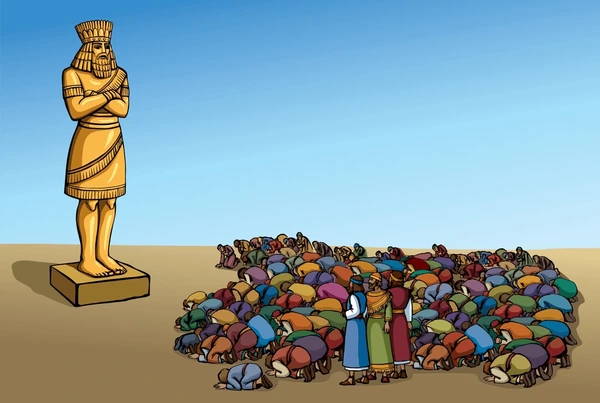
ရွှေရောင်နွား (ဂိုးလ်ဒင်ကယ်ဖ်) အဖြစ်အပျက်ဟာ အစ္စရေး ဂျူး (ဣသရေလ) တွေရဲ့ တမန်တော် မောရှေ (မိုးဆက်) တောင်ပေါ်တက်ပြီး ပညတ်တော် ဆယ်ပါး ကိုလက္ခံပြီး ပြန်ဆင်းလာချိန်၌ တောင်အောက်မှစောင့်နေသော အစ္စရေး ဂျူး (ဣသရေလ) တွေဟာ ရွှေရောင်နွား (ဂိုးလ်ဒင်ကယ်ဖ်) ကိုထုလုပ် ကိုးကွယ် ရှိခိုးနေတာတွေ့၍ ရုပ်ပုံကိုးတာတွေရဲ့ အန္တရာယ်ကို ပြသပြီး ယုံကြည်ခြင်း၊ သည်းခံခြင်း၊ တစ်ဦးတည်းသော ဘုရားကိုသာ ကိုးကွယ်ဖို့ရာ သင်ခန်းစာအဖြစ် ကျန်ရှိပါတယ်။
ဂိုးလ်ဒင်ကယ်ဖ်ကိုးကွယ်မှု
မောရှေ (မိုးဆက်) က ပညတ်တော် ဆယ်ပါး ကျောက်ပြားများကို မြေကြီးပေါ် ပစ်ပေါက်လိုက်ပြီး ဘုရားသခင်သည် ရွှေနွားသငယ်ကိုးကွယ်မှုအတွက် ဣသရေလအမျိုးသားတို့ကို အောက်ပါနည်းလမ်းများဖြင့် အပြစ်ဒဏ်ပေးခဲ့သည်-
- အဖြစ်အပျက် – မောရှေဟာ ဆီနိုင်းတောင်ထိပ်မှာ ဘုရားသ္ခင်ထံတော်မှ တိုရာ-ပညတ်တော် ၁၀ ပါးကို ရယူနေစဉ်လူတွေဟာတောင်အောက်မှာ အေရွန် ဉီဆောင်ပြီး လက်ဝတ်ရတနာတွေနဲ့ရွှေနွားရုပ် ဖန်တီးပြီး “ဤဘုရားသည် ဣဂျစ်မှ ဦးဆောင်ထွက်စေသောဘုရား” ဟု ကြေညာကြခဲ့ကြပါတယ်။
- ဘုရားရဲ့အမျက်တော် – အဲ့ဒီရုပ်ပုံကိုးကွယ်တာကြောင့် ဘုရားရဲ့ အမျက်တော်ထွက်ပြီး မောရှေဟာ တိုရာ-ပညတ်တော် ၁၀ ပါးကျမ်းပြားတွေကို ချိုးပါတယ်။
- အပစ်ဒဏ်ပေးခံရခြင်း – ဣသရေလလူတွေကို ပြင်းထန်တဲ့ ဒဏ်ရာကို ခံရပါတယ်။
- ဓားဖြင့်သတ်ခြင်း- မောရှေက လေဝိအနွယ်ဝင်တို့အား စခန်းတစ်လျှောက် သွားပြီး ရုပ်တုကိုးကွယ်နေသူများကို သတ်ရန် အမိန့်ပေးခဲ့ပြီး လူ ၃,၀၀၀ သေဆုံးခဲ့ရသည်။
- ဘုရားသခင်က လူတို့အပေါ် ကပ်ဘေးဆိုးတစ်ခုကို ကျရောက်စေခဲ့ခြင်း၊ ဘုရားသခင်၏ကပ်ဘေး- ဘုရားသခင်က ရုပ်တုကိုးကွယ်မှုကြောင့် လူတို့အပေါ် ပုလိပ်ရောဂါကပ်ဘေးတစ်ခုကို ကျရောက်စေခဲ့သည်။
- ရွှေမှုန့်ရောသော ရေကို လူတို့အား သောက်စေခဲ့ခြင်း၊ နှင့် ဘုရားသခင်၏တည်ရှိမှုကို သူတို့ထံမှ ရုပ်သိမ်းမည်ဟု ခြိမ်းခြောက်ခဲ့ခြင်းတို့ဖြစ်သည်။ ရုပ်တုကို သောက်စေခြင်း- မောရှေက နွားသငယ်ရုပ်ကို မီးရှို့ပြီး မှုန့်ဖြစ်အောင် ထောင်းခဲ့ကာ ရေထဲရောပြီး ဣသရေလအမျိုးသားတို့အား သောက်စေခဲ့သည်၊ ၎င်းသည် သူတို့၏အပြစ်ကို အတွင်းပိုင်းမှ စားသုံးခြင်းကို ပုံဆောင်သည်။
- တည်ရှိမှု ရုပ်သိမ်းခြင်း- ဘုရားသခင်က “လည်ပင်းမာသော” လူမျိုးတို့နှင့်အတူ ကတိထားသောပြည်သို့ မသွားတော့ဘဲ ကောင်းကင်တမန်တစ်ပါးကို စေလွှတ်မည်ဟု ဖော်ပြခဲ့ပြီး ဤအရာက လူတို့အား ဝမ်းနည်းစေကာ သူတို့၏အဆင်းတန်ဆာများကို ချွတ်လိုက်ကြသည်။
- အနာဂတ်စီရင်ခြင်း- မောရှေ ဖြေရှင်းပေးသော်လည်း၊ အပြစ်ကျူးလွန်သူများကို နောက်ဆုံးတွင် ဘုရားသခင်၏စာအုပ်မှ “ချေမှုန်းခြင်း” ခံရမည်ဖြစ်ပြီး သူတို့၏အချိန်တန်သောအခါ အပြစ်ဒဏ်ခံရမည်ဟု ဘုရားသခင်က ညွှန်ပြခဲ့သည်။
- ဤလုပ်ရပ်များသည် ရုပ်တုကိုးကွယ်မှုတားမြစ်ချက်ကို ချိုးဖောက်ခြင်းနှင့် ပဋိညာဉ်ချုပ်ဆိုပြီးမကြာမီ ပဋိညာဉ်ကို ဖောက်ဖျက်ခြင်းအတွက် တိုက်ရိုက်အပြစ်ဒဏ်အဖြစ် ဆောင်ရွက်ခဲ့ခြင်း ဖြစ်သည်။
- သင်ခန်းစာများ –
- ယုံကြည်ခြင်းနှင့် စောင့်မျှော်နိုင်ခြင်းရဲ့ အရေးပါမှု
- ရုပ်ပုံတွေ၊ ပစ္စည်းဆိုင်ရာ ငွေကြေးကို ဘုရားအစား ကိုးကွယ်တာရဲ့ အန္တရာယ်
- တစ်ပါးတည်းသော ဘုရားကိုသာ ကိုးကွယ်ဖို့ သတိပေးချက်
ဗုဒ္ဓဘုရား သက်တော်ထင်ရှားရှိစဉ်လက်ထက်တော်တုန်း ကဘုရားက “ငါဘုရားရဲ့ပုံတူကို ထုကြ၊ ငါ့ပုံတူဆွဲကြ၊ ဆိုပြီးတော့ ကိုးကွယ်ခိုင်းထားတာမဟုတ်ဘူးဗျ။
နောင် နှစ်ပေါင်း ၅၀၀ ခန့်နေတော့ မှ ဂရိ ဘုရင် အလက်ဇင်းဒါး (ကြီးမြတ်သော) တို့ကအိန္ဒိယ ကိုဝင်လာပြီဆိုတော့မှ ကျောက်ဆစ်ရုပ်ထု ပညာသင်ပေး၍ ဘုရားရုပ်ထုတော်တွေကို စပြီးထုတဲ့အချိန်မှာ ခန့်မှန်းခြေနဲ့ ထုကြတာ။ အဲ့ဒီတော့ အိန္ဒိယမှာရှိတဲ့ ဘုရားရုပ်ထုတော်တွေက အိန္ဒိယရုပ် ပေါက်နေတယ်။ မုတ်ဆိတ်တွေနဲ့ တရားကျင့်ထား တာတွေကြောင့်လည်းနံရိုး အပြိုင်းပြိုင်းဖြစ်နေတယ်။ ဗိုက်တွေချပ်နေပြီး တော့ဖြစ်နေတယ်။
ဗမာပြည်မှာကြတော့ မတူတော့ပဲနဲ့ တခါတရံ သက်ဦးဆံပိုင်တွေကတောင်မှဗျာ သူ့ပုံနဲ့ တူအောင်လုပ်လိုက်သေးတယ်။အဲ့ဒီလို ပုံကြီးကို ကိုးကွယ် တာ စိတ်သတီသလားဗျ?
တရုတ်တွေကတခါ ထုလိုက်တဲ့ အခါကြတော့ဘယ် ပုံစံနဲ့ ထွက်လာသလဲ ခင်ဗျားတို့သိသားပဲ နောက်ကျတော့ ဟိုဘက်က ယိုဒယားတို့ တခြားနေရာတွေက ထုလိုက်တဲ့ဟာတွေ ပုံတော်တွေကတမျိုး။
ဒါပေမဲ့ ဘာပြောပြောလေ…ရည်မှန်း တာကတော့ ဗုဒ္ဓကိုရည်မှန်းတာဆိုတော့ ပြီးရောပေါ့ဗျာ၊ ခင်ဗျားတိုယုံကြည်ချက်နဲ့ ခင်ဗျားတို့ပေါ့ ကိစ္စမရှိပါဘူး။
ဒါပေမဲ့ ကျနော်တို့ ကုရ်အာန် စူရာ- အယ်-ကာဖီရူန် (အခန်း ၁၀၉) မှာလည်းပါပြီးသားပါ-
၁. ပြောကြားလော့၊ “အို မယုံကြည်သူတို့၊
၂. သင်တို့ကိုးကွယ်သည့်အရာကို ကျွန်ုပ်မကိုးကွယ်ပါ။
၃. ကျွန်ုပ်ကိုးကွယ်သည့်အရာကို သင်တို့သည် ကိုးကွယ်သူများမဟုတ်ပါ။
၄. သင်တို့ကိုးကွယ်သည့်အရာကို ကျွန်ုပ်သည် ကိုးကွယ်သူမဖြစ်ပါ။
၅. ကျွန်ုပ်ကိုးကွယ်သည့်အရာကို သင်တို့သည် ကိုးကွယ်သူများမဖြစ်ကြပါ။
၆. သင်တို့အတွက် သင်တို့၏ဘာသာတရားရှိ၏၊ ကျွန်ုပ်အတွက် ကျွန်ုပ်၏ဘာသာတရားရှိ၏။
ဒီတော့-“ခင်ဗျားတို့အယူအစနဲ့ ခင်ဗျားတို့၊ ကျနော် တို့လည်း ကျနော်တို့အယူအစနဲ့ ကျနော်တို့ ၊ ခင်ဗျားက ခင်ဗျားအယူအစနဲ့ ကျနော်တို့က ကျနော်တို့အယူအစနဲ့။ ကျနော်တို့ကလည်း ခင်ဗျားတို့ဘက်ကိုပြောင်းမှာ မဟုတ်ဘူး ခင်ဗျားတို့က လည်းကျနော်တို့ဘက်ကို ပြောင်းမှာမဟုတ်ဘူး။
- အဲ့ဒီတော့ ကိုယ်ဟာကိုသာ အေးအေးဆေးဆေး ငြိမ်ငြိမ်ချမ်းချမ်း လုပ်ကြပါ နေကြပါ လို့ ပြောချင်ပါတယ်။
- ဘယ်သူ မှားတယ် မှန်တယ် ငြင်းနေကြဖို့ မလိုပါဘူးဗျာ။
- တဦးချင်းစီ လူသားအားလုံးအတွက်ကောင်းတာတွေကို ကျနော်တို့တတွေ ညီညီညွတ်ညွတ် စုပေါင်းလုပ်ကြပါစို့။
အဲ့ဒီတော့ ခင်ဗျားတို့လဲ ခင်ဗျားတို့တို့ယုံကြည်ရာ၊ ကျနော်တို့လဲ ကျနော်တို့ယုံကြည်ရာ၊ အဲဒီတော့ ပြောချင်တာက ကျနော်တို့ဘာကြောင့် မကတော့သလဲ၊ အကတော့မခံသလဲဆိုတာကလေးကို သာရှင်းပြချင်တာပါ။ ဘယ်သူ မှားတယ် မှန်တယ်ပြော နေတာမဟုတ်ဘူး မိတ်ဆွေတို့။
ဟိန္ဒူဘာသာရဲ့ ရုပ်တုများ (Idols / Murtis) ရဲ့ အခန်းကဏ္ဍ
ဟိန္ဒူဘာသာရဲ့ ရုပ်တုများ (idols သို့မဟုတ် murtis) ကို ဘုရားသဏ္ဌာန်တွေရဲ့ ကိုယ်စားပြု ရုပ်ပုံအဖြစ် အသုံးပြုကြပါတယ်။ အဲ့ဒီ ဆင်းတုတွေကို ဘုရားကိုယ်တိုင်ဟု မမြင်ကြဘဲ ယုံကြည်သူတွေအနေနဲ့သဒ္ဓါ (bhakti) ကို အာရုံစိုက်နိုင်ဖို့နဲ့ အမြင့်ဆုံး တစ်ပါးတည်းသော အဖြစ်မှန်ဖြစ်တဲ့ Brahman နဲ့ ချိတ်ဆက်နိုင်ဖို့ အသုံးပြုတဲ့ နည်းလမ်းတစ်ရပ်အဖြစ် သဘောထားကြပါတယ်။
ရုပ်တုနဲ့ ဘုရားသဏ္ဌာန် မျိုးစုံကို အသုံးပြုပြုတာဟာ ယုံကြည်သူတစ်ဦးချင်းစီရဲ့ ယုံကြည်ချက်၊ လိုအပ်ချက်နဲ့ စိတ်ခံစားချက်တွေ ကိုက်ညီတဲ့ ပုံစံနဲ့ ဘုရားသခင်ထံ နီးကပ်လာနိုင်စေဖို့ ဖြစ်ပါတယ်။အဲ့ဒီအယူအဆဟာ အဆုံးမရှိတဲ့ တစ်ပါးတည်းသော Brahman ဟာ ကမ္ဘာလောကအနှံ့ ပုံစံအမျိုးမျိုးနဲ့ ထင်ဟပ်နေတယ်ဆိုတဲ့ ယုံကြည်ချက်ကို ဖော်ပြနေခြင်းဖြစ်ပါတယ်။
ဒါပေမဲ့ အိန္ဒိယက ဟင်ဒူတွေ ဘာ ဖြစ်လာသလဲဆိုတော့-
- အမေရိကန် သမတ ထရန့်ပုံကြီးနဲ့ ဘုရားလုပ်ပြီးကိုး ကွယ်တယ်။ ဘုရားကိုကိုယ်စားပြု တာတောင်မဟုတ်ဘူး၊ တခါတည်းဘုရားလုပ်ပစ်လိုက်တယ်။
- အမေရိကန် သမတ ကလင်တန်ပုံနဲ့ လည်း ကျနော်တွေ့ လိုက်ဘူး တယ်ဗျ။
- နောက်ဘုရားကို ဘာနဲ့ လုပ်သလဲဆိုတော့ အမေရိကားသွားဖို့ ပါတ်စ်ပို့ ရဖို့ရာအတွက်ဗီဇာရဖို့ရာအတွက် ဆိုပြီး တော့တောင်မှ ပါတ်စ်ပို့ ရုံးဘုရားဆိုတဲ့ သဘောနဲ့ အဲ့ဒီမှာသွားပြီးဘုရားတင်တာ။
နောက်တခုက ရုပ်ရှင်ထဲမှာ လည်းအတူတူပဲ တွေရာနဲ့ လုပ်လိုက်တာ ဘုရားကို နေရာရွှေ့မယ်လုပ်လိုက်တာ ကျောက်တုန်းကြီး ပေါ့လေ ဆိုတဲ့နေရာချဲ့ဖို့ ဇွတ်ခွင့် တောင်းပြီး ရွှေ့တဲ့အခါကြတော့… နောက်ဆုံးကြတော့ ဘာသွားတွေ့လည်းဆိုတော့ ရှေးတုန်းက မော်တော်ဆိုင်ကယ် ဓါတ်ဆီတိုင်ကီ ကြီးကိုတဝက်မြုတ် ထားပြီး ဆေးသုတ်ထားတာဗျ။ ဘောလီးဝုဒ်က ကိုယ့်ဘာသာကိုယ်သရော်ရဲတဲ့အချက်ကတော့ဗျာ စံပဲ။
၂၀၁၄ ခုနှစ် ဘော်လီးဝုဒ် ဟာသရုပ်ရှင် PK (အမူးသ္မား) သည် အာကာသယာဉ်၏ ရီမုတ်ကို ခိုးယူခံရပြီးနောက် ကမ္ဘာမြေပေါ်တွင် ပိတ်မိနေသော ဂြိုလ်သားတစ်ဦး (မင်းသား အမီရ်ခန်း က သရုပ်ဆောင်ထားသည်) ကသူ၏ စက်ကိရိယာကို ရှာဖွေရန် ကူညီပေးနိုင်ရန် “ဘုရားသခင်” ကို ကိုးကွယ်မှုဘာသာတရားအမျိုးမျိုးတွင် ရှာဖွေကာ လမ်းတစ်လျှောက်တွင် အယူသည်းမှုများနှင့် “လိမ်လည်သော” ဘုရားသခင်အစားထိုးများကို မေးခွန်းထုတ်သည်။ ထိုရုပ်ရှင်ထဲ၌ ဘုရားသခင်ကိုယ်တိုင်ကို မဟုတ်ဘဲ၊ မျက်စိကန်းယုံကြည်ခြင်းနှင့် ဘုရားသခင်၏ “စီမံခန့်ခွဲသူများ” ကို ဝေဖန်သော သရော်စာပုံစံတစ်ခု ဖြစ်သည်။ ထူးခြားဒါက သူက ကျောက်တုံးတခု ကို အဲဒီလိုပဲဆေးသုပ် လိုက်ပြီးတော့ ကိုးကွယ်ဖို့ဟာ လေးတွေချထားတယ်။ ပြီး တော့အလှူငွေခွက် တခုချထားတဲ့ အခါကြတော့၊ လူတွေအများကြီး လာရှိခိုးကြ လှူကြနဲ့။
ဗမာပြည်မှာလည်းအတူတူပါပဲ နတ်တွေ မျိုးစုံ ဘုရားသမိုင်းလိမ်တွေနဲ့ ဘုရားဖူး တွေဆွဲဆောင်ဖို့ အလှူငွေရဖို့တချို့ဂေါပကတွေလုပ်နေကြတယ်။ ။
ဂျပန်တို့ တရုတ်တို့ ဟင်ဒူတွေတို့ မိဘတွေဘိုးဘွားဓာတ်ပုံတွေ ထားပြီးတော့ ပန်းတွေဘာတွေတင်နဲ့ တဖြည်းဖြည်းနဲ့တချို့ တွေဆိုရင်လည်း အဲ့ဒါကနတ်ဖြစ်သွားတာ
ကိုးကွယ်တာ တခုခုဆိုလိုက်ရင် သူတို့ကိုတိုင်တည်ပြီးတော့မှ ဘုရားနဲ့ ယှဉ်ပြီးတော့မှ ကိုးကွယ်လာကြတာ အဲ့ဒါက သူတို့မှားတယ်မှန်တယ် ခင်ဗျားတို့မှားတယ်မှန်တယ် အဲဒီလိုပြောချင်တာမဟုတ်ဘူး ခင်ဗျားတို့လည်း ခင်ဗျားတို့အယူအဆ နဲ့ ခင်ဗျားတို့ကျနော်တို့ လည်းကျနော်တို့ အယူအဆနဲ့ဆိုတော့ သိအောင်တင်ပြတာပဲ ရှိတယ်။
ကျနော်တို့ မွတ်စလင်တွေလည်း…
၁/ ရှေးတုန်းကဆိုရင် ဓါတ်ပုံမရိုက်ရဘူး ပန်းချီမဆွဲရဘူး ဘုရားကိုတုဖက်ပြိုင်တယ်လို့ဆိုတဲ့ သဘောထားကြတယ်။
၂/ ကန်တော့ရှိခိုးတဲ့ ကိစ္စတွေလည်းတားထားတာဘဲ။
၃/ သူတော်စင်တွေနဲ့ သူတို့ရဲ့ သင်္ချိုင်း (ဒရကာ)တွေမှာ ဆုတောင်း ဝတ်ပြု ရှိခိုးကတော့ တာတွေ လုပ်နေတဲ့လူတွေ လည်းလုပ်နေကြတာပဲဗျာ။ ခဏခဏ အငြင်းပွားတယ်ကြပါတယ်။/
၄/ ဒါပေမဲ့ ကန်တော့ ခံတဲ့ ဟာကြတော့ တချို့ကြမရတော့ပြန်ဘူး ကျနော်တို့ကြတော့လဲ အဲဒါကိုရှောင်တာနဲ့ကိုက အစွန်း ရောက်သလိုမျိုးဖြစ်သွားတယ်။ ဆရာကန်တော့ပွဲဆိုရင် ဟိုးအနောက်နား မှာနေတယ်။ ဘေးနားနေတယ် မကန်တော့ဘူး။ အကတော့လည်း မခံဘူး။
၅/ နောက်ပြီး အလံအလေးပြုတာမပြုတာ
အဲ့ဒါလေးတွေပေါ့ဗျာ အဲဒါလေးတွေနဲ့ ကျနော်တို့ တတွေလည်း ပြဿနာလေးတွေ အလုပ်ခံရ၊ အရိုအသေပေးပြီဆိုရင် ပြီးတာပါပဲဗျာ။ တခုပြီး တခုနဲ့ ၊ ကျနော်တို့ အဖို့က အလ္လာဟ်အသျှင်မြတ်
ကလွဲပြီးတော့ ဘုရားမရှိဘူး တုဖက်ပြိုင်ရာ တစ်ခုမှမရှိဘူး အဲ့ဒါ (တောင်ဟိဒ်)ပေါ့။ လုံးဝ ပကတိ တပါးတည်းကိုးကွယ်ရမယ်ဆိုတာအရေးအကြီးဆုံးဖြစ်ပါတယ်။ တုဖက်ပြိုင် ယှဥ်တွဲပြီးကိုး ကွယ်ရင်၊ ဘယ်လောက် အထိ ဖြစ်သွားလဲ ဆိုတော့၊ အဲဒီအပြစ်က အကြီးဆုံး ဖြစ်သွားတယ်။ ဝက်သားစားတာ၊ အရက်သောက်တာ၊ သူများသားမယားမဟုတ်တာလုပ်တာ၊ လူသတ်တာတွေ ထက်ပိုကြီးလေးတဲ့ အပြစ်ပဲ။ ဘုရားကို တုဖက်ပြိုင်ပြီးတော့ လုပ်တာ ကျနော်တို့သိတာ တော့ ‘ရှရစ်’ လုပ်တာဆိုပြီး တော့ အလ္လာဟ်အသျှင်မြတ်နဲ့ တုဖက်ပြိုင်ပြီး ဖြစ်မှာဆိုကြောက်လို့ ကျနော်တို့ အစ္စလာမ်ရဲ့ ကျောရိုး အခြေခံက ဘာလဲဆိုတော(ပေါ့ရီတက်) ဘာလို့မလုပ် ရတာလဲဘုရားသခင် (အလာ)မှာ(ယူနစ်) ထူးခြားတဲ့ ဟာရှိတယ် ဘာလဲဆို တော့ (အစ်စလာမ်)မှာ တုဖက်ပြိုင် ဖို့ မရှိဘူး. အနိုင်းမဲ့ ဖြစ်ပြီးကိုယ်စားလှည် အနေနဲ့လည်းမရှိရဘူး။
နောက်တခုမိတ်ဆွေတချို့ စောဒကတက်ကြတာက မင်းတို့ဘုရားက ဘယ်မှာလဲ၊ ဘာပုံလဲနဲ့ ဒါကလာစော်ကားနေသလို ရိသလိုပဲ။ ခင်ဗျားတို့လည်း ခင်ဗျားတို့ ယုံကြည်ချက်နဲ့၊ ကျနော် တို့လည်း ကျနော်တို ယုံကြည်ချက်နဲ့၊ ဘာမှာမုန်းစရာ အငြင်းပွားနေစရာ မလိုဘူးလေ၊ မဟုတ်ဘူးလား?
အဲ့တော့ ကျနောတို့ယုံကြည်ချက်အရ ဘုရားဟာဆိုရင်၊ အတုမဲ့၊ အနိုင်းမဲ့၊ လူတွေရဲ့ စဉ်းစားဉာဏ်နဲ့ ဦးနှောက်နဲ့ လူတွေရဲ့ အာရုံငါးပါးနဲ့ခံစားနိုင်မှု့ရဲ့ အပြင်ဖက်မှာရှိနေတယ်။
နောက်ကျတော့ ကိုယ်စားလှယ်တွေလဲ မရှိဘူး။ တမန်တော်တွေတောင်မှ ကိုယ်စားလှယ်အဖြစ် မရှိဘူး၊ သူတို့တာဝန်က အလ္လာဟ်အသျှင်မြတ်ရဲ့ အမိန့်တော် တွေကို ဆင့်ပြန်ချထား သွန်သင် လမ်းညွှန်ပေးဖို့သာပါ။
အဲ့ဒီ တမန်တော်တွေအားလုံးကို ကျနော်တို့က အသိအမှတ်ပြု လေးစားဖို့တာဝန်ရှိပေမဲ့ ရှိခိုး ဉီးချ ကန်တော့ပိုင် ခွင့်မရှိပါဘူး။
တခါက ပြင်သစ်က တမန်တော် မုဟမ္မဒ် (ဆွ) ကို သရော်ပြီးကာတွန်း ဆွဲတော့၊ မခံနိုင်သူတချို့က ကလဲ့စားချေ သတ်မယ်လိုဖြစ်တာနဲ့ အဲ့တုန်းကဆိုရင် ချာလီတွေအများကြီးပေါ်လာလိုက် ကြတာဗျာ။ သူတို့ တွေကြတော့။ နဲနဲပါးပါးသေရုံနဲ့သူတို့ တတွေအဲ့လိုဖြစ်နေကြတယ်။ အစ္စလာမ် အနေနဲ့ တယောက်ကို အကြောင်းမဲ့သတ်လို့မရဘူး၊ တကမ္ဘာလုံးသတ်သလိုပဲ။ အခု ပါလက်စတိုင်းတွေ သေနေကြတာ ကြတော့ ပြောင်းပြန်ဗျာ၊ ဂျူးလီယက်တွေဖြစ် ကုန်ကြ တယ်။ စိတ်မကောင်းစရာ ဗမာပြည်ကလူတွေ အထူးသဖြင့် ဗမာတွေကစပြောတယ် အခုကြတော့ရခိုင်တွေရယ် ချင်းနဲ့ ကရင်တွေနဲ့ပြောကြတယ်။ ကရင်တွေကတော့နည်းပါတယ်။ ချင်းနဲ့ရခိုင် တွေက တအားကိုဖြစ်နေတာ။ တကယ်တေ့ သူတို့ကိုလည်း နာတာညာဟူး နဲ့ ထရန့် က ဘယ်လောက်မှ အသားမပေးပါဘူးဗျ သိပ်ပြီး အရေးမလုပ်ပါဘူး။
ကျနော်တို့ဘက်ကကြည့်ရင် ဘာပုံမှဆွဲခွင့်မရှိတာကို ကာတွန်းဆွဲပြီးလှောင်ပြောင်တာလေ။
Aung Tin
sndSrotepoi72g5ht8hhtigt1ac6i8i09120if9uuif44h355um8gl2g6g71 ·
ကြောက်စရာကောင်းပြီး အင်အားကြီးလာသော ဂျူးအစွန်းရောက်များ
ခရစ်ယာန်တွေကို ပါးရိုက်တာ၊ ခြေထောက်နဲ့ကန်တာ၊ သီလရှင်တွေကို စနိုက်ပါနဲ့ပစ်သတ်တာ၊ ချာချ်တွေကို ဗုံးကြဲတာ၊ ခရစ်ယာန်တွေကို ဂျူးတွေက Gentilesလို့ခေါ်ပြီး ခရစ်ယာန်၊ ဗုဒ္ဓဘာသာ၊ ဟိန္ဒူတွေကို ရုပ်ထုကိုးကွယ်သူတွေဖြစ်လို့ သတ်ပစ်ဖို့၊ ဂျူးကျမ်းမှာဆိုထားတယ်။
ရုပ်တုကိုးကွယ်သူ လူသားသန်းခြောက်ထောင်မှာ အသက်ရှင်ခွင့်မရှိပါ။
ဘုရားသခင်ကို အချိန်ပြည့် စိတ်ဆိုးအောင်လုပ်နေတဲ့ အိန္ဒိယ၊ တရုတ်၊ ဂျပန်၊ တိဘက်၊ နိပေါ၊ ထိုင်း၊ ဗုဒ္ဓဘာသာဝင်၊ ဟိန္ဒူဘာသာဝင်၊ ခရစ်ယာန်ဘာသာဝင် အနည်းဆုံးသန်းခြောက်ထောင်လူသားတွေဟာ ရုပ်တုကိုးကွယ်သူတွေဖြစ်တယ်။
ဂျူးကျမ်းတိုရဟ်အရ သူတို့မှာအသက်ရှင်ခွင့် မရှိဘူး။
သေဒါဏ်ပဲရှိတယ်။
သေဒါဏ်နဲ့ထိုက်တန်တယ်။
ဂျူးဘုန်းကြီး
လင့်