Muslims are taught to respond to unjust laws with patience, wisdom, and principled resistance—never through chaos or actions that cause greater harm. Whether the ruler is Muslim or non-Muslim, the response must balance justice with the avoidance of greater corruption or bloodshed.
NOTE: Jihad is allowed when defending against aggression, oppression, or occupation,
but it is forbidden when used for injustice alone!
Core Islamic Guidance
- Condemn injustice but avoid greater harm:
- The Prophet PBUH warned that rulers may act unjustly, and
- Muslims who disapprove inwardly and outwardly are spared blame,
- while those who approve are sinful.
- The Prophet PBUH warned that rulers may act unjustly, and
- Justice is central:
- Islam emphasizes that
- a just ruler is among those shaded by Allah on the Day of Judgment,
- while an oppressive ruler faces severe accountability.
- Islam emphasizes that
- Avoid rebellion that worsens corruption:
- Scholars caution that removing an unjust ruler must not lead to greater chaos, bloodshed, or instability.
- Respond with wisdom and gentleness:
- Muslims are encouraged to resist unjust laws through lawful means,
- community solidarity, and peaceful advocacy, ensuring their actions do not endanger themselves or others.
- Muslims are encouraged to resist unjust laws through lawful means,
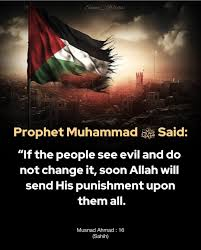
Practical Responses
- Peaceful disapproval: Express disagreement with unjust laws through
- lawful protest, advocacy, or community education.
- Patience and endurance:
- If resistance risks greater harm,
- patience is considered a form of worship, while waiting for change.
- If resistance risks greater harm,
- Lawful evasion:
- In some cases, communities find ways to avoid unjust laws without direct confrontation, provided it does not lead to deceit or harm.
- Supplication and reform:
- Muslims are urged to pray for justice, reform, and guidance for rulers, while working to strengthen their communities morally and spiritually.
Key Principles
- No obedience in sin:
- Muslims must not obey laws that directly contradict divine commandments.
- Obedience in worldly matters:
- If laws do not force sin, obedience is generally required to maintain order.
- Balance of harm and benefit:
- Any action against unjust laws must consider whether it prevents or causes greater harm.
Summary
Muslims should oppose injustice with wisdom, patience, and lawful resistance, whether the ruler is Muslim or non-Muslim.
The guiding principle is: no obedience in sin, but no rebellion that causes greater harm. Instead, they are called to strengthen their communities, advocate for justice, and trust in divine accountability for rulers.
In the Quran: Al-Baqara
Lo! those who believe, and those who emigrate (to escape the persecution) and strive in the way of Allah, these have hope of Allah’s mercy. Allah is Forgiving, Merciful. (218)
(Lo =interjection ˈlō . Synonyms of lo—used to call attention or to express wonder or surprise)
In the Qur’an: An-Nisa
Lo! as for those whom the angels take (in death) while they wrong themselves,
The angels will ask: In what were ye engaged?
They will say: We were oppressed in the land.
(The angels) will say: Was not Allah’s earth spacious that ye could have migrated therein? As for such, their habitation will be hell, an evil journey’s end; (97)
Except the feeble among men, and the women, and the children, who are unable to devise a plan and are not shown a way. (98)
As for such, it may be that Allah will pardon them. Allah is ever Clement, Forgiving. (99)
Who so migrate for the cause of Allah will find much refuge and abundance in the earth, and
who so forsake his home, a fugitive unto Allah and His messenger, and death overtake him, his reward is then incumbent on Allah. Allah is ever Forgiving, Merciful. (100)
In Islam, there is no fixed legal punishment that automatically applies to Muslim rulers who refuse migrants or mistreat them. However, such behavior is considered a serious moral and religious failure.
Islamic teaching holds leaders to a very high ethical standard. A ruler is seen as a trustee, responsible for protecting the vulnerable, including migrants and refugees. Mistreatment of migrants is regarded as oppression, which is one of the gravest wrongs in Islam.
While a ruler may not face an immediate legal penalty, Islamic belief emphasizes accountability before God, especially for those who abuse power. The suffering of the oppressed is believed to weigh heavily against unjust leaders.
Historically and ethically, Islamic scholars also warn that injustice leads to loss of legitimacy, social instability, and eventual decline of authority. In other words, even when no court intervenes, injustice carries consequences.
In short, Islam does not grant rulers immunity. How migrants are treated is seen as a moral test of leadership, justice, and humanity, not merely a policy choice.
In Islamic teaching, there is no single fixed “legal punishment” laid down for Muslim rulers who refuse migrants or mistreat them. Instead, the matter is treated as a grave moral, religious, and accountability issue. The consequences are understood in several overlapping ways:
1. Accountability before God (Akhirah)
Islam places very strong emphasis on justice, protection of the weak, and honoring human dignity.
- A ruler who oppresses migrants, refugees, or strangers is considered answerable to God.
- Numerous Islamic teachings warn that oppression (ẓulm)—especially by those in power—brings divine judgment, even if no worldly punishment occurs.
- The Prophet Muhammad ﷺ taught that prayers of the oppressed are answered, even if the oppressed are not Muslim.
This is regarded as the most serious consequence.
2. Moral Sin, Not Mere Policy Failure
Mistreating migrants is not seen simply as a political decision but as:
- A sin, because it violates justice (`adl), mercy (raḥmah), and trust (amānah)
- A betrayal of leadership, since rulers are described as shepherds responsible for their flock
In Islamic ethics, abuse of power itself is a major wrongdoing.
3. Worldly Consequences (Indirect, Not Codified)
Islamic history and scholarship often point out that unjust rulers may face:
- Loss of legitimacy and public trust
- Social unrest and instability
- Collapse of moral authority
- Eventual downfall of their rule
These are understood as natural consequences of injustice, not formal punishments prescribed by law.
4. Legal Punishment Depends on Specific Crimes
If mistreatment includes specific crimes—such as:
- Murder
- Torture
- Theft of property
- Unlawful detention
—then rulers (in theory) are subject to the same legal penalties as anyone else. However, Islamic scholars openly acknowledge that power often shields rulers in practice, which is why moral accountability is emphasized so strongly.
5. Prophetic Precedent
The Prophet ﷺ himself was a migrant (Muhājir), and Medina’s welcome of migrants is considered a foundational Islamic model.
- Rejecting or humiliating migrants contradicts that example.
- Classical scholars frequently cite this to condemn harsh or exclusionary policies.
In short
Islam teaches that:
- There is no special exemption for rulers
- Oppression of migrants is a serious sin
- Punishment may not be immediate or legal, but accountability is certain
- Justice toward migrants is a test of faith and leadership
AI Overview
Punishment for Muslim rulers mistreating migrants isn’t explicitly detailed in one Quranic verse but falls under broader Islamic principles of justice, compassion (Rahmah), and fulfilling obligations to the vulnerable (like refugees/migrants), potentially leading to divine judgment (Akhirah) or earthly repercussions like revolt, loss of legitimacy, and historical censure, as rulers are custodians of justice, and violating core values like mercy (as seen in Prophet Muhammad’s treatment of refugees) invites severe consequence in Islamic ethics
.
Islamic Principles Involved:
- Rahmah (Mercy & Compassion): Islam emphasizes mercy, and failing to show it to the vulnerable, including migrants, contradicts core tenets.
- Justice (Adl): Rulers are divinely tasked with upholding justice for all, including newcomers.
- Fulfillment of Covenants: Treating migrants justly upholds agreements and moral duties.
- Prophetic Example (Sunnah): Prophet Muhammad’s actions, like welcoming migrants (Muhajirun) and ensuring their care, set a standard for rulers.
Potential Punishments/Consequences:
- Divine Judgment (Akhirah): The ultimate punishment is from Allah in the afterlife for failing in duties, especially regarding the oppressed.
- Earthly Repercussions:
- Loss of Legitimacy: Rulers who abandon justice risk losing the people’s trust and support, potentially leading to rebellion or instability.
- Social Unrest: Mistreatment can breed discontent, undermining the state.
- Historical Condemnation: Islamic history records criticism and downfall of rulers who acted unjustly or deviated from core values.
- Scholarly & Public Rebuke: Religious scholars (Ulama) and the public can issue warnings (fatwas) and condemn rulers for violating Sharia.
Quranic Basis (Indirect):
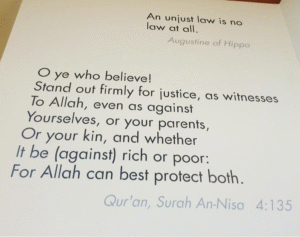
- Verses on justice (e.g., Quran 4:135, 5:8) apply to all aspects of governance, including treatment of strangers.
- Prophetic traditions (Hadith) stress care for the needy and migrants.
In essence, while no specific “punishment” statute exists for rulers in classical texts, the severe spiritual and potential political ramifications for abandoning Islamic principles of justice and mercy towards migrants are significant within the Islamic framework.
- Khan Academy (Islamic principles of justice and governance)
- Wikipedia (Prophetic example, treatment of migrants)
- Wikipedia (Justice, compassion, ruler’s duty)
I have read in one of his auto biographic writting that during the Japanese occupation, he queued at one for the group, wrongly thought that Japanese were giving cupons for rations. One of his friend saw him and pulled out and told him that it was the enlisting place for railway construction project up north.
READ ALSO:
Bukit Malut people are Malays, not Rohingya, says Dr M
FMT ReportersShare
Inhabitants are largely nomadic Malays that have migrated to Thailand and Myanmar over the years, says former PM
PETALING JAYA:
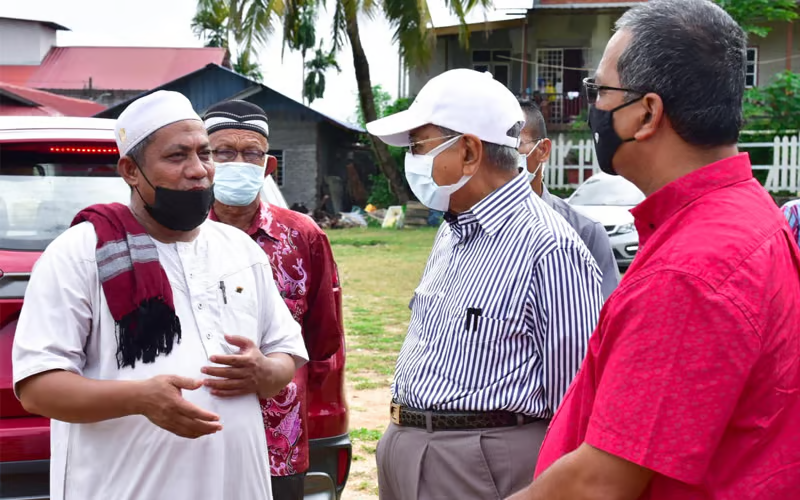
The residents of Bukit Malut, where a new international race track is being planned, are essentially Malays and not migrants, Langkawi MP Dr Mahathir Mohamad said today.
The inhabitants of the area on the south of the island were not ethnic Rohingya as widely reported. They were actually nomadic Malays who migrated to Thailand and Myanmar before settling in Langkawi.
The former premier said the issue of the settlement as a hotbed of illegals has often been played up without proper understanding of the origins of the people there.
“Initially, there were not many people at Bukit Malut, but as the years went by the numbers increased as their families grew larger.
“Nearly 80% of them are fishermen who rely on marine life for a living, supplying fish to Langkawi and as far as Kelantan. They are self-sufficient and have not relied on the government.
“The people of Bukit Malut are not Rohingya as perceived, but merely Malays who migrated to Thailand and Myanmar and later moved back here. They all speak Malay well,” he said.
Mahathir said the people there were not against plans by the government to relocate them elsewhere so that they would have proper water supply, electricity and roads.
Kedah menteri besar Muhammad Sanusi Md Nor has said the inhabitants of the settlements, who he called “illegal settlers” would be moved to another area in Langkawi. He is planning to build a multimillion-ringgit race track and resort in the area.
He claimed the inhabitants were occupying government land and hill land illegally, saying the National Security Council had been informed of this matter.
Several Malay dailies have reported that at least 10,000 people, all Myanmar nationals, have been living at a mangrove forest reserve there, upsetting the locals.
The energy and natural resources ministry has since pledged to look into relocating them elsewhere, for fear that the precious mangrove lands would be encroached into.
NOTE: WE, Burma/Myanmar accepted you, Malays as refugees and now even became our Ethnic Minority! I am sad that some Malay Muslims keepon inciting HATRED to Myanmar refugees even Muslims of Myanmar: Myanmar Muslims and Rohingyas. Be careful, Allah SWT knows every thing and the JUDGEMENT DAY is waiting for all of you.
Reference: Quranic Basis (Indirect):
- Verses on justice (e.g., Quran 4:135, 5:8) apply to all aspects of governance, including treatment of strangers.
- Prophetic traditions (Hadith) stress care for the needy and migrants.
In essence, while no specific “punishment” statute exists for rulers in classical texts, the severe spiritual and potential political ramifications for abandoning Islamic principles of justice and mercy towards migrants are significant within the Islamic framework.
၂၂/ မတရားတဲ့အမိန့်အာဏာတွေကို အစ္စလာမ်ဘာသာဝင် မွတ်စလင်တွေက ဘယ်လို တုန့်ပြန်ရပါသလဲ?
မွတ်စလင် သို့မဟုတ် မွတ်စလင်မဟုတ်သော အုပ်ချုပ်သူများ၏ မတရားသော ဥပဒေများကို မွတ်စလင်များက မည်သို့ တုံ့ပြန်သင့်သနည်း?
မွတ်စလင်များအား မတရားသော ဥပဒေများကို-
- စိတ်ရှည်သည်းခံမှု၊
- ပညာသတိ နှင့်
- စည်းကမ်းရှိသော ပါးနပ်သော တော်လှန်မှုဖြင့် တုံ့ပြန်ရန် သင်ကြားပေးထားသည်။
ပဋိပက္ခဖြစ်စေခြင်း ရုန်းရင်းဆန်ခတ် ဖြစ်ခြင်း သို့မဟုတ် ပို၍ကြီးမားသော ထိခိုက်မှုဖြစ်စေသော လုပ်ရပ်များမှ ရှောင်ကျဥ်ပါ။
အုပ်ချုပ်သူသည် မွတ်စလင်ဖြစ်စေ၊ မွတ်စလင်မဟုတ်သူဖြစ်စေ၊ မိမိတို့၏ တုံ့ပြန်မှုသည်-
- တရားမျှတမှုနှင့်
- ပိုမိုကြီးမားသော ပဋိပက္ခ ဆိုးကျိုး သို့မဟုတ်
- သွေးထွက်သံယိုမှုကို ရှောင်ကြဉ်ခြင်းတို့ကို
ချိန်ခွင်လျှာညီမျှအောင် စဥ်းစားလုပ်ဆောင်ရမည်။
မှတ်ချက်။ ဂျီဟတ်ကို ခုခံကာကွယ်ခြင်း၊ ဖိနှိပ်မှု၊ သို့မဟုတ် သိမ်းပိုက်မှုတို့ကို တွန်းလှန်ရာတွင် ခွင့်ပြုထားသည်။
သို့သော် မတရားမှုအတွက်သက်သက်ကိုသာ ဆန့်ကျင်ရန် အသုံးပြုခြင်းမှ တားမြစ်ထားပါသည်။
အစ္စလာမ်၏ အဓိက လမ်းညွှန်ချက်များ
မတရားမှုကို ရှုတ်ချရမည်၊ သို့သော် ပို၍ကြီးမားသော ထိခိုက်မှုမဖြစ်စေရန် ဂရုတစိုက် ရှောင်ကြဉ်ရမည်:
တမန်တော် မိုဟမ္မဒ် (ဆွ) ကလည်း အုပ်ချုပ်သူများသည် မတရားသော အပြုအမူများ ပြုလုပ်ပါက-
- အနည်းဆုံး စိတ်နှလုံးသားထဲမှသဘောမတူ၍ မနှစ်သက်ကြောင်းပြသူများ နှင့်
- ထင်ရှားစွာ သဘောမတူသော မွတ်စလင်များသည် အစ္စလမ်ဥပဒေအရ အပြစ် ကင်းလွတ်ကြပြီး၊
- သဘောတူသူများမှာမူ အပြစ်ရှိကြသည်။
တရားမျှတမှုသည် အဓိကဖြစ်သည်
အစ္စလာမ်က အလ္လာဟ်အသျှင်မြတ်သည်-
“တရားမျှတသော အုပ်ချုပ်သူသည် တရားစီရင်ခြင်းခံရမည့်နေ့တွင် အလ္လာဟ်အသျှင်မြတ်၏ အရိပ်ပေးမည့် သူများထဲတွင် ပါဝင်သည်ဟု မိန့်ကြားထားသည်။”
“မတရား ဖိနှိပ်၍ အုပ်ချုပ်သူမှာမူ (တရားစီရင်သောနေ့၌ သူ၏ဖိနှိပ်မှုကို) တာဝန်ခံပြီး ပြင်းထန်စွာ ရင်ဆိုင်ရမည်ဟု မိန့်ကြားခဲ့သည်။”
- ပို၍ ဆိုးရွားခက်ခဲမှုကို ဖြစ်စေနိုင်သော ပုန်ကန် တော်လှန်မှုကို ရှောင်ကြဉ်ရမည်။
- မတရားသော အုပ်ချုပ်သူတစ်ဦးကို ဖယ်ရှားခြင်းသည် ပို၍ကြီးမားသော ပရမ်းပတာမှု၊ သွေးထွက်သံယိုမှု၊ သို့မဟုတ် မတည်မငြိမ်မှုကို ဦးတည်သွားခြင်း မရှိစေရန် ပညာရှင်များက သတိပေးကြသည်။
- ပညာသတိနှင့် နူးညံ့သိမ်မွေ့စွာ တုံ့ပြန်ရမည်:
- မွတ်စလင်များသည် မတရားသော ဥပဒေများကို တရားဝင် နည်းလမ်းများဖြင့် တော်လှန်ရန်၊
ပြည်သူအများ ငြိမ်းချမ်းသော ထောက်ခံမှုရ၍ စည်းလုံးညီညွတ်စွာ အပြောင်းအလဲဖြစ်ရန် တွန်းအားပေးရမည်။ မိမိတို့၏ လုပ်ရပ်များသည် မိမိကိုယ်မိမိ သို့မဟုတ် အခြားသူများကို အန္တရာယ် မဖြစ်စေရန် သေချာစွာ ဂရုစိုက်ရမည်။
လက်တွေ့ တုံ့ပြန်မှုများ
- မတရားသော ဥပဒေများကို ငြိမ်းချမ်းစွာဖြင့် သဘောမတူကြောင်း ဆန္ဒဖေါ်ထုတ်ပြသရမည်။
- တရားဝင် ဆန္ဒပြမှု၊ ကန့်ကွက်ချက်၊ သို့မဟုတ် လူထု ပညာပေးမှုတို့ဖြင့် သဘောမတူကြောင်း ဖော်ပြရမည်။
စိတ်ရှည်မှုနှင့် သည်းခံမှု
အကယ်၍ တော်လှန် ပုန်ကန် ဆန့်ကျင်ဆန္ဒပြမှုတို့သည် ပို၍ကြီးမားသော ထိခိုက်မှု အန္တရာယ်ဖြစ်စေနိုင်လျှင်-
စိတ်ရှည်သည်းခံမှု ကိုသာ လက်ကိုင်ပြုထားပြီး၊ ပြောင်းလဲမှုကို စောင့်ဆိုင်းနေရမည်။
တရားဝင် ရှောင်ကြဉ်မှု
- အချို့ကိစ္စများတွင်၊ လူအများအနေဖြင့် မတရားသော ဥပဒေများကို တိုက်ရိုက် ထိပ်တိုက်တွေ့မှု မရှိဘဲ ရှောင်ကြဉ်ရန် နည်းလမ်းများကို ရှာဖွေကြပြီး၊
- တခါတရံ၌ အကြမ်းမဖက်သော အာဏာဖီဆန်မှု ကိုစဥ်းစားနိုင်သည်။ သို့သော် အာဏာပိုင်တို့နှင့် ထိပ်တိုက် ရင်ဆိုင်တွေ့ခြင်းကိုရှောင်ပါ။
၎င်းသည် လှည့်ဖြားမှု သို့မဟုတ် ထိခိုက်မှုကို ဖြစ်စေခြင်းမရှိပါက ခွင့်ပြုသည်။
ဆုတောင်းခြင်းနှင့် ပြုပြင်ပြောင်းလဲမှု
မွတ်စလင်များ ဆုတောင်းရန်-
- တရားမျှတမှု၊
- ပြုပြင်ပြောင်းလဲမှု၊ နှင့်
- အုပ်ချုပ်သူများကို လမ်းမှန်ရောက်ရန် လမ်းညွှန်မှုပေးပါရန်အတွက်
အုပ်ချုပ်သူ အာဏာပိုင်တို့၏ အသိုင်းအဝိုင်းများကို ကိုယ်ကျင့်တရားအရ နှင့် လမ်းမှန်ညွှန်ပြ၍ ပြည်သူအပေါ်မေတ္တာ တရားထားနိုင်ရန်စိတ်ဓာတ်ရှိလာရန် ကူညီလုပ်ဆောင်ရန် တိုက်တွန်းထားသည်။
အဓိက မူများ
အပြစ်ရှိသော အမိန့်များကို နာခံမှု မရှိရ
မွတ်စလင်များသည် အလ္လာဟ်အသျှင်မြတ်၏ အမိန့်တော်များကို တိုက်ရိုက် ဆန့်ကျင်သော ဥပဒေများကို မနာခံရပါ။
လောကီကိစ္စများတွင် နာခံမှု
အကယ်၍ ဥပဒေများက အပြစ်ကို အတင်းအကျပ် မပြုလုပ်စေလျှင်၊ စည်းကမ်းထိန်းသိမ်းရန် ယေဘူယျအားဖြင့် နာခံမှု လိုအပ်သည်။
ထိခိုက်မှုနှင့် အကျိုးကျေးဇူး၏ ချိန်ခွင်လျှာညှိမှု
မတရားသော ဥပဒေများကို ဆန့်ကျင်သော မည်သည့် လုပ်ရပ်မဆို- ပို၍ကြီးမားသော တန်ပြန်အကျိုး သက်ရောက်မှု၊ မိမိတို့ကိုပြန်လည် ထိခိုက်စေနိုင်မှုကို ဖြစ်စေနိုင်မှု ရှိ မရှိကို စဉ်းစားရမည်။
အနှစ်ချုပ်
မွတ်စလင်များသည် အုပ်ချုပ်သူသည် မွတ်စလင်ဖြစ်စေ၊ မွတ်စလင်မဟုတ်သူဖြစ်စေ၊ မတရားမှုကို ပညာသတိ၊ စိတ်ရှည်သည်းခံမှု၊ နှင့် တရားဝင် အကြမ်းမဖက်သောတော်လှန်မှုဖြင့် ဆန့်ကျင်သင့်သည်။
ကုရ်အာန် စူရာ အလ် ဘာကာရာ ၂၁၈ တွင်
“အကြင်သူတို့သည် ယုံကြည်ချက်ကြောင့် (ညှဉ်းပန်းနှိပ်စက်မှုမှ လွတ်မြောက်ရန်) ရွှေ့ပြောင်းနေထိုင် ပါက၊ အလ္လာဟ်အသျှင်မြတ်၏ လမ်းတော်တွင် ကြိုးစားအားထုတ်ကြသူတို့သည် အလ္လာဟ်၏ ကရုဏာတော်ကို မျှော်လင့်နိုင်ကြ၏။ အလ္လာဟ်သည် အလွန် ခွင့်လွှတ်တော်မူသော၊ သနားကြင်နာတော်မူသော အရှင်ဖြစ်တော်မူ၏။”
ကုရ်အာန် အန်-နီစာ (၉၇) တွင်-
“သို့သော်လည်း အကြင်သူတို့သည် မိမိတို့ကိုယ်ကို မတရားပြုကြလျက် ကောင်းကင်တမန်တို့က (သေဆုံးချိန်တွင်) ခေါ်ဆောင်ခံရကြ၏၊
ကောင်းကင်တမန်တို့က၊ သင်တို့သည် “အဘယ်တွင် ပါဝင်ခဲ့ကြသနည်း?” (ဟုစစ်မေးမည်)
၎င်းတို့က၊ “ကျွန်ုပ်တို့သည် ပြည်တွင်း၌ ဖိနှိပ်ခံခဲ့ရပါ၏” ဟု ပြောကြလိမ့်မည်။
(ကောင်းကင်တမန်တို့က)၊ “အလ္လာဟ်အသျှင်မြတ် ၏ ကမ္ဘာမြေသည် ကျယ်ဝန်းစွာ မရှိခဲ့ပါသလော၊ သင်တို့သည် ထိုနေရာတို့သို့ ရွှေ့ပြောင်းနိုင်ခဲ့သည် မဟုတ်လော?” ထိုသို့သော သူတို့အတွက်၊ ၎င်းတို့၏ နေရာသည် ငရဲမီးဖြစ်လိမ့်မည်၊ ဆိုးရွားသော ခရီးဆုံးရာဖြစ်လိမ့်မည်။ (ဟုပြန်လည်ပြောကြားသည်)
ကုရ်အာန် အန်-နီစာ (၉၈) တွင်-
အားနည်းသော ယောက်ျားများ၊ အမျိုးသမီးများ၊ နှင့် ကလေးသူငယ်များ (မှလွဲ၍၊)
သူတို့အတွက်၊ အလ္လာဟ်အသျှင်မြတ် က ခွင့်လွှတ်တော်မူနိုင်၏။ အလ္လာဟ်အသျှင်မြတ် သည် အလွန် သနားကြင်နာတော်မူသော၊ ခွင့်လွှတ်တော်မူသော အရှင်ဖြစ်တော်မူ၏။ (၉၉)
အကြင်သူ မည်သူမဆို အလ္လာဟ်အသျှင်မြတ်၏ အကြောင်းခံအတွက် ရွှေ့ပြောင်းပါက သူ့အတွက် ကမ္ဘာမြေ၌ များပြားသော ခိုလှုံရာနှင့် ကြွယ်ဝချမ်းသာမှုကို တွေ့ရှိလိမ့်မည်၊ နှင့်
အကြင်သူမဆို မိမိအိမ်ကို စွန့်ခွာ၍၊ အလ္လာဟ်အသျှင်မြတ်နှင့် တမန်တော် မိုဟမ္မဒ် (ဆွ) လမ်းစဥ် အရ ထွက်ပြေးသူ၊ နှင့် သေခြင်းကို ရင်ဆိုင်ရသူ၊ ထိုသူအတွက် အလ္လာဟ်အပေါ်၌ ဆုလာဘ် ပေးရန်သည် တာဝန်ဖြစ်၏။ အလ္လာဟ်သည် အလွန် ခွင့်လွှတ်တော်မူသော၊ သနားကြင်နာတော်မူသော အရှင်ဖြစ်တော်မူ၏။ (၁၀၀)
အစ္စလာမ်တွင်၊ ရွှေ့ပြောင်းနေထိုင်သူများကို ငြင်းပယ်သော သို့မဟုတ် အာဏာကို အလွဲသုံးစားပြုသော မွတ်စလင် အုပ်ချုပ်သူများအပေါ် အလိုအလျောက် အကျုံးဝင် သတ်မှတ်ထားသော တရားဝင် အပြစ်ဒဏ် မရှိပါ။ သို့သော်၊ ထိုသို့သော အပြုအမူကို ပြင်းထန်သော ကိုယ်ကျင့်တရားနှင့် ဘာသာရေးဆိုင်ရာ ပျက်ကွက်မှုအဖြစ် သတ်မှတ်သည်။
အစ္စလာမ်က ခေါင်းဆောင်များကို-
- အလွန် မြင့်မားသော ကိုယ်ကျင့်တရား စံချိန်စံညွှန်းဖြင့် တာဝန်ခံစေသည်။
- အုပ်ချုပ်သူတစ်ဦးကို ယုံကြည်စိတ်ချရသူအဖြစ် ရှုမြင်ပြီး၊
- ရွှေ့ပြောင်းနေထိုင်သူများနှင့် ဒုက္ခသည်များအပါအဝင် အားနည်းသူများကို ကာကွယ်ရန် တာဝန်ရှိသည်။
- ရွှေ့ပြောင်းနေထိုင်သူများကို အလွဲသုံးစားပြုခြင်းကို ဖိနှိပ်မှုအဖြစ် သတ်မှတ်ပြီး၊ ၎င်းသည် အစ္စလာမ်တွင် အဆိုးရွားဆုံး အမှားများထဲမှ တစ်ခုဖြစ်သည်။
အုပ်ချုပ်သူသည် ချက်ချင်း တရားဝင် ဒဏ်ခတ်မှု မရှိနိုင်သော်လည်း၊ အစ္စလာမ် ယုံကြည်ချက်က-
အထူးသဖြင့် ထိုသို့ အာဏာကို အလွဲသုံးစားပြုသူများအတွက် ဘုရားသခင်ရှေ့တော်၌ တာဝန်ခံရမည်ဟု သတ်မှတ်ထားသည်။
ဖိနှိပ်ခံသူများ၏ ဆင်းရဲဒုက္ခ နှင့် ဆုမွန်ကို အလ္လာဟ်အသျှင်မြတ်က လက်သင့် ခံမည်ဖြစ်၍ မတရားသော ခေါင်းဆောင်များကို ကြီးလေးသောအပြစ်ပေးမည်ဟု ယုံကြည်ကြသည်။
သမိုင်းကြောင်းအရနှင့် ကိုယ်ကျင့်တရားအရ၊ အစ္စလာမ် ပညာရှင်များက အုပ်ချုပ်သူ၏မတရားမှုသည်-
- တရားဝင်မှု ဆုံးရှုံးခြင်း၊
- လူမှုရေး မတည်ငြိမ်မှု၊ နှင့်
- နောက်ဆုံးတွင် အာဏာ ကျဆင်းခြင်းတို့ကို
ဦးတည်သွားမည်ဟု သတိပေးကြသည်။
တစ်နည်းအားဖြင့်၊ အစ္စလာမ်တွင်၊ ရွှေ့ပြောင်းနေထိုင်သူများကို ငြင်းပယ်သော သို့မဟုတ် အာဏာကို အလွဲသုံးစားပြုသော မွတ်စလင် အုပ်ချုပ်သူများသည် တရားရုံးအတင်မခံရနိုင် သော်လည်း၊ သူ၏မတရားမှု၌ ဆိုးရွားသော အကျိုးဆက်များ ရှိသည်။
အကျဉ်းချုံး
အစ္စလာမ်က ရွှေ့ပြောင်းနေထိုင်သူများကို ငြင်းပယ်သော အုပ်ချုပ်သူများကို ကင်းလွတ်ခွင့် မပေးပါ။ ရွှေ့ပြောင်းနေထိုင်သူများကို မည်သို့ ဆက်ဆံသည်ကို ခေါင်းဆောင်မှု၊ တရားမျှတမှု၊ နှင့် လူသားဆန်မှု၏ ကိုယ်ကျင့်တရား စမ်းသပ်မှုအဖြစ် ရှုမြင်သည်။ သာမန်နိုင်ငံရေး မူဝါဒ ရွေးချယ်မှုတစ်ခုသာ မဟုတ်ပါ။
အစ္စလာမ် သွန်သင်ချက်တွင်၊ ရွှေ့ပြောင်းနေထိုင်သူများကို ငြင်းပယ်သော သို့မဟုတ် အလွဲသုံးစားပြုသော မွတ်စလင် အုပ်ချုပ်သူများအတွက် သတ်မှတ်ထားသော တစ်ခုတည်းသော “တရားဝင် အပြစ်ဒဏ်” မရှိပါ။ ၎င်းအစား၊ ကိစ္စကို ပြင်းထန်သော ကိုယ်ကျင့်တရား၊ ဘာသာရေး၊ နှင့် တာဝန်ခံမှု ပြဿနာအဖြစ် ကိုင်တွယ်သည်။ အကျိုးဆက်များကို အောက်ပါ အချက်များဖြင့် နားလည်ကြသည်:
၁။ အလ္လာဟ်အသျှင်မြတ်ရှေ့တော်၌ တာဝန်ခံမှု (တမလွန် တရားစီရင်တော်မူသောနေ့တွင်)
အစ္စလာမ်က-
- တရားမျှတမှု၊
- အားနည်းသူများ ရွေ့ပြောင်းလာသော ဒုက္ခသည်များ ကာကွယ်ခြင်း၊ နှင့် လူ့
- ဂုဏ်သိက္ခာကို ရိုသေခြင်းတို့အပေါ် အလွန် အလေးထား၏။
ရွှေ့ပြောင်းနေထိုင်သူများ၊ ဒုက္ခသည်များ၊ သို့မဟုတ် (တစ်ကမ္ဘာလုံးမှလာသော) နိုင်ငံခြားသားများကို ဖိနှိပ်သော အုပ်ချုပ်သူသည် အလ္လာဟ်အသျှင်မြတ်ထံတော်၌ တာဝန်ယူရမည်ဟု သတ်မှတ်သည်။
အာဏာရှိသူများမှ အထူးသဖြင့် ဖိနှိပ်မှု သည် လောကီ အပြစ်ဒဏ် မရှိသော်လည်း၊ အလ္လာဟ်အသျှင်မြတ်၏ စီရင်ခြင်းကို ခံရမည်ဟု များစွာသော အစ္စလာမ် သွန်သင်ချက်များက သတိပေးထားသည်။
တမန်တော် မိုဟမ္မဒ် (ဆွ) က-
“ဖိနှိပ်ခံသူများ၏ ဆုတောင်းချက်များကို (ဖိနှိပ်ခံသူများက မွတ်စလင်မဟုတ်လျင်ပင်) အလ္လာဟ်အသျှင်မြတ်က လက်သင့်ခံတော်မူမည်ဖြစ်၍ အလ္လာဟ်အသျှင်မြတ်ရှေ့မှောက်၌ ဖြေရှင်းရမည်” ဟု ဆုံးမသွန်သင်ခဲ့သည်။
ဤသည်ကို အလွန် ပြင်းထန်သော အကျိုးဆက် အဖြစ် သတ်မှတ်ထားသည်။
၂။ နိင်ငံရေးမူဝါဒ မှားယွင်းပျက်ကွက်မှုသာ မဟုတ် ကိုယ်ကျင့်တရား အပြစ်ဖြစ်သည်။
ရွှေ့ပြောင်းနေထိုင်သူများကို မတရားဖိနှိပ်ချုပ်ခြယ်ခြင်း အလွဲသုံးစားပြုခြင်းကို နိုင်ငံရေး ဆုံးဖြတ်ချက်မှားတစ်ခုအဖြစ်သာ မရှုမြင်ဘဲ-
အပြစ်တစ်ခုအဖြစ် သတ်မှတ်၏။ အကြောင်းမှာ ၎င်းသည်-
- တရားမျှတမှု (`adl)၊
- ကရုဏာ (raḥmah)၊ နှင့်
- ယုံကြည်စိတ်ချ၍ ပေးအပ်ထားသော အာဏာကို အလွဲသုံးစားမှု (amānah)
ကို ချိုးဖောက်သောကြောင့်၊ ခေါင်းဆောင်မှုတာဝန်ကို သစ္စာဖောက်မှုဖြစ်၏။ အကြောင်းမှာ အုပ်ချုပ်သူများကို ၎င်းတို့လက်အောက်ခံလူအများအတွက် ‘သိုးအုပ်အတွက် တာဝန်ရှိသော သိုးထိန်းများ’ အဖြစ် အလ္လာဟ်အသျှင်မြတ်က သတ်မှတ်ထားသောကြောင့်ဖြစ်သည်။
အစ္စလာမ် ကိုယ်ကျင့်တရားတွင်၊ အာဏာ အလွဲသုံးစားပြုခြင်း ကိုယ်တိုင်ကပင် အဓိက အမှားတစ်ခုဖြစ်သည်။
၃။ လောကီ အကျိုးဆက်များ
အစ္စလာမ် သမိုင်းနှင့် ဥပဒေပညာရှင်များက မတရားသော အုပ်ချုပ်သူများသည် အောက်ပါတို့ကို ရင်ဆိုင်နိုင်သည်ဟု မကြာခဏ ထောက်ပြကြသည်:
- တရားဝင်မှုနှင့် အများသူငှာ ယုံကြည်မှု ဆုံးရှုံးခြင်း
- လူမှုရေး မငြိမ်မသက်မှုနှင့် မတည်ငြိမ်မှု
- ကိုယ်ကျင့်တရားဖေါက်၍ အာဏာ ပြိုကွဲခြင်း
- နောက်ဆုံးတွင် ၎င်းတို့၏ အုပ်ချုပ်မှု ပြိုကွဲခြင်း
ဤတို့ကို မတရားမှု၏ သဘာဝ အကျိုးဆက်များအဖြစ် နားလည်ကြပြီး၊
ဥပဒေက သတ်မှတ်ထားသော တရားဝင် အပြစ်ဒဏ်များ မဟုတ်ပါ။
၄။ မတရားဖိနှိပ်သော အုပ်ချုပ်သူများအတွက် တရားဝင်အပြစ်ဒဏ်သည် သီးခြား ရာဇဝတ်မှုများအပေါ် မူတည်သည်-
အကယ်၍ အာဏာကို အလွဲသုံးစားပြုခြင်းတွင် အခြား ရာဇဝတ်မှုများတွဲဖက် ပါဝင်လျှင်—ဥပမာ:
- လူသတ်မှု
- ညှဉ်းပန်းနှိပ်စက်မှု
- ပစ္စည်းဥစ္စာ ခိုးယူမှု
- ဥပဒေမဲ့ ထိန်းသိမ်းမှု
—ထိုအခါ အုပ်ချုပ်သူများသည် (ဥပဒေအရ အခြားသူတစ်ဦးကဲ့သို့ပင်) တူညီသော တရားဝင် ဒဏ်ခတ်မှုများကို ခံရသင့်သည်။
သို့သော်၊ အစ္စလာမ် ပညာရှင်များက ပွင့်လင်းစွာ အသိအမှတ်ပြုထားသည်မှာ- လက်တွေ့ဘဝတွင် အာဏာပိုင် အုပ်ချုပ်သူများအနေနှင့် တရားစွဲမှု အပစ်ပေးမှုများမှ အကာအကွယ်ရ ထားလေ့ရှိသည်၊
ဒါကြောင့် ရာဇဝတ်ကြောင်းအရ အပြစ်ပေးမှုမှ ကင်းလွတ်ခွင့်ရလေ့ရှိပြီး ဘာသာရေးအရ ကိုယ်ကျင့်တရားဖေါက်ဖျက်မှု နှင့် အလ္လာဟ်အသျှင်မြတ် ပေးထားသည့် အုပ်ချုပ်ခွင့် အာဏာကို အလွဲသုံးမှုအတွက်သာ အလ္လာဟ်အသျှင်မြတ် ထံတော်၌သာ တာဝန်ခံ ဖြေကြားမှုလုပ်ရမည်ကို အစ္စလမ် ဥပဒေပညာရှင်တို့ အလွန်အလေးထား သတိပေးကြ၏။
၅။ တမန်တော် မိုဟမ္မဒ် (ဆွ) ၏ ဥပမာ
တမန်တော် မိုဟမ္မဒ် (ဆွ) ကိုယ်တော်သည်ပင် ‘ရွှေ့ပြောင်းနေထိုင်သူ’ တဦးဖြစ်ခဲ့ပြီး၊ မဒီနာမြို့က ရွှေ့ပြောင်းနေထိုင်သူများကို ကြိုဆိုခြင်းကို ‘အစ္စလာမ်၏ အခြေခံပုံစံ’အဖြစ် သတ်မှတ်ထားသည်။
ရွှေ့ပြောင်းနေထိုင်သူများကို ‘ငြင်းပယ်ခြင်း’ သို့မဟုတ် ‘အရှက်ခွဲခြင်း’သည် ထို တမန်တော် မိုဟမ္မဒ် (ဆွ) ၏ စွန္နတ်တော်ကျင့်ထုံးကို ဆန့်ကျင်သည်။
ရှေးဟောင်း ပညာရှင်များက ဤအချက်ကို မကြာခဏ ကိုးကားပြီး ရွေ့ပြောင်းဒုက္ခသည်များအတွက် ပြင်းထန်၍ ရန်လိုသော ဥပဒေ သို့မဟုတ် ရွေ့ပြောင်းဒုက္ခသည်များကို ပိတ်ဆို့သော လူဝန်မှုကြီးကြပ်ရေးမူဝါဒများကို ရှုတ်ချကြသည်။
အစ္စလာမ်၏ သွန်သင်မှုကို အကျဉ်းချုပ်၍ပြောရသော်-
- အုပ်ချုပ်သူများအတွက် အထူး ကင်းလွတ်ခွင့် မရှိ
- ရွှေ့ပြောင်းနေထိုင်သူ နှင့် အထူးသဖြင့် ဒုက္ခသည်များကို ဖိနှိပ်ခြင်းသည် ပြင်းထန်သော အပြစ်ဖြစ်၏။
- ဒဏ်ခတ်မှုသည် ချက်ချင်း သို့မဟုတ် ဤလောက၌တရားဝင် မဖြစ်နိုင်သော်လည်း၊ အလ္လာဟ်အသျှင်မြတ် ရှေ့တော်မှေက်၌တာဝန်ခံရမှုသည် သေချာပေါက် ရှိသည်
- ရွှေ့ပြောင်းနေထိုင်သူများအပေါ် တရားမျှတမှုသည် အစ္စလာမ်အဆုံးအမအပေါ် ယုံကြည်ခြင်းနှင့် ခေါင်းဆောင်မှု၏ စမ်းသပ်မှုဖြစ်သည်။
မွတ်စလင် အုပ်ချုပ်သူများက ရွှေ့ပြောင်းအခြေချလာသူများ (migrants / refugees) ကို မတရားစွာ ဆက်ဆံပါက ခံရမည့် ပြစ်ဒဏ်များ-
အစ္စလာမ်အယူအဆအရ အုပ်ချုပ်သူများသည် တရားမျှတမှုကို ထိန်းသိမ်းရမည့်သူများ (custodians of justice) ဖြစ်ကြပြီး၊ ကရုဏာကဲ့သို့သော အခြေခံတန်ဖိုးများကို ဖောက်ဖျက်ခြင်း—အထူးသဖြင့် တမန်တော် မိုဟမ္မဒ် (ဆွ) ကိုယ်တော်က ဒုက္ခသည်များနှင့် ရွှေ့ပြောင်းလာသူများကို ဆက်ဆံခဲ့သည့် စွန္နတ်တော်ကျင့်ထုံးများနှင့် ဆန့်ကျင်သည့် အပြုအမူများ—သည် အစ္စလာမ့်ကျင့်ဝတ်အရ ပြင်းထန်သော အကျိုးဆက်များ ဖြစ်လာစေနိင်ပါသည်။
ပါဝင်သည့် အစ္စလာမ့်သဘောတရားများ-
- ကရုဏာနှင့် ကြင်နာမှု (Rahmah)
အစ္စလာမ်သည် ကရုဏာကို အလွန်အရေးကြီးသည့် အခြေခံတန်ဖိုးအဖြစ် သတ်မှတ်ထားပြီး၊ ရွှေ့ပြောင်းလာသူများနှင့် ဒုက္ခသည်များကဲ့သို့သော အားနည်းသူများကို ကရုဏာမပြခြင်းသည် အစ္စလာမ်၏ အခြေခံအယူအဆများနှင့် ဆန့်ကျင်ပါသည်။ - တရားမျှတမှု (Adl)
အုပ်ချုပ်သူများသည် လူမျိုး၊ ကိုးကွယ်မှု မရွေး အားလုံးအပေါ် တရားမျှတစွာ ဆောင်ရွက်ရန် အလ္လာဟ်က တာဝန်ပေးအပ်ခံထားခြင်းခံရသူများ ဖြစ်ကြပါသည်။ - ကတိကဝတ်နှင့် တာဝန်များ ပြည့်စုံစွာ ထမ်းဆောင်ခြင်း
ဒုက္ခသည်များနှင့် ရွှေ့ပြောင်းလာသူ များကို မတရားမပြုဘဲ ကောင်းမွန်စွာဆက်ဆံခြင်းသည် လူ့ကျင့်ဝတ်နှင့် သဘောတူညီချက်များကို လေးစားခြင်းဖြစ်ပါသည်။ - တမန်တော် မိုဟမ္မဒ် (ဆွ) ၏ စွန္နတ်တော် စံနမူနာ (Sunnah)
တမန်တော် မိုဟမ္မဒ် (ဆွ)သည် မက္ကာမှ မဒီနာသို့ ရွှေ့ပြောင်းလာသည့်မွတ်စလင် များကို ကြိုဆိုကာ စောင့်ရှောက်ပေးခဲ့ပြီး၊ ထိုအပြုအမူများသည် အုပ်ချုပ်သူများအတွက် လိုက်နာရမည့် စွန္နတ်တော်စံနမူနာအဖြစ် ရှိနေပါသည်။ ဟဒီးသ်များတွင် အားနည်းသူများ၊ ဆင်းရဲသူများနှင့် ရွှေ့ပြောင်းလာသူများကို စောင့်ရှောက်ရမည်ဟု အလေးထားဖော်ပြထားပါသည်။ - သမိုင်းအရ ပြစ်တင်ရှုတ်ချခံရခြင်း – အစ္စလာမ့်သမိုင်းတွင် တရားမမျှတသော အုပ်ချုပ်သူများ၏ ကျဆုံးမှုများကို မှတ်တမ်းတင်ထားပါသည်။
- ပညာရှင်များနှင့် လူထု၏ ပြစ်တင်ဝေဖန်မှု – အွလ္လမာ သာသနပညာရှင်များနှင့် လူထုက အစ္စလာမ်ဥပဒေ ရှရီအာကို ဖောက်ဖျက်သည့် အုပ်ချုပ်သူများကို သတိပေးခြင်း၊ လမ်းညွန်ခြင်းပြုရမည်။
ကဲ ဒီလောက်ဆိုရင် အဓိကအချက်တွေပြည့်စုံလောက်ပါပြီ။ နည်းနည်းလောက် ကျနော့ အမြင် အတွေးလေးတွေ ဖြည့်ခွင့်ပြုပါ။
စင်္ကာပူဖခင်ကြီး လီကွမ်ယုက သူ၏ ကိုယ်တိုင်ရေး အတ္ထုပ္ပတ္တိဆောင်းပါးတစ်ခုတွင် ဂျပန် ခေတ်အတွင်းက လူအများတန်းစီ ရပ်စောင့်နေတာတွေ့၍ စားနပ်ရိက္ခာကူပွန်များ ပေးမည်ဟု မှားယွင်းထင်ခဲ့ပြီး၊ သူကဝင် တန်းစီနေခဲ့သည်။ သူ၏သူငယ်ချင်းတစ်ဦးက ယိုးဒယား-ဗမာ ‘သေမင်းတမန်’ မီးရထားလမ်းဆောက်လုပ်ရေးအတွက် စာရင်းသွင်းနေခြင်းဖြစ်ကြောင်း ပြောဆို၍ ဆွဲထုတ်ကာ ကယ်တင်ခဲ့သည်ဟု ဖော်ပြထားပါသည်။ အကယ်၍သာ လီကွမ်ယုက သေမင်းတမန်လမ်းမှာ ချွေးတပ်ထဲပါသွားခဲ့ပြီး တခုခုကြောင့် ထွက်ပြေးပြီး ဗမာပြည်မှာ နေနေခဲ့ရရင် ကျနော်တို့ ဗမာပြည်မှာ ဒုက္ခသည် ပြည်ပြေး စင်္ကာပူနဲ့ မလေးနိုင်ငံသားအချို့တွေလို နေခဲ့ရမှာပါ။
ယနေ့ခေတ် ထိုင်းတောင်ပိုင်းလေးခရိုင်သည် ထိုင်းနိုင်ငံတောင်ပိုင်း၌ ပတာနီ နိုင်ငံတော် မလေးစူလတန်နိုင်ငံ Patani Kingdom (သက္ခရာဇ် ၁၄၀၀–၁၉၀၂) အဖြစ်၊ အစ္စလာမ့်ကုန်သွယ်မှု၏ အဓိကဗဟိုချက်ဖြစ်နေခဲ့ပြီး ယိုးဒယားတို့က သိမ်းပိုက်ခြင်းမခံရမီ ရာစုနှစ်များစွာကြာအောင် အောင်မြင်စွာ တွန်းလှန်ခဲ့သည်။ ယိုးဒယားတို့က မလေးမြောက်ပိုင်းလေးပြည်နယ်ကိုလည်း မကြာခဏတိုက်ခိုက်သိမ်းပိုက်ထားခဲ့ရာ အင်္ဂလိပ်ကပြန်ယူပေးခဲ့ရသည်။
ကျနော်ပြောချင်ဒါက ယိုးဒယားတို့က မလေးတွေကို နှစ် ၃၀၀ လောက် ထပ်တလဲလဲ ဝင်တိုက်လို့ မလေးတွေ ဗမာပြည်ထဲဝင်ပြေးပြီး ဒုက္ခသည် ပြည်ပြေးအဖြစ်နေခဲ့ရာက ဗမာပြည်တောင်စွန်းမှာ ပသျှူးလူမျိုးတွေအနေနဲ့ ပထမတိုင်းရင်းသား၁၄၄စာရင်းထဲမှာတောင် ပါခဲ့ပါတယ်။ ဗမာမင်းတွေက သူတို့ပိုင်တဲ့ ပသျှူး(မလေး)ကျွနးဆွယ်အထက်ပိုင်းရဲ့ အနောက်ဖက်ချမ်းကို ယိုးဒယားလက်က အပိုင် သိမ်းယူလိုက်တာလည်း ပါတာပေါ့လေ။
ဒုတိယကမ္ဘာစစ်အတွင်းက ပြည်ပြေး စင်္ကာပူနဲ့ မလေးနိုင်ငံသားတွေလည်းဗမာပြည်ရောက်ခဲ့တာပဲ။ အင်္ဂလိပ်စစ်ရှုံးပြေးတာ အောင်မြင်စွာဆုတ်ခွါတယ်ပေါ့- စင်္ကာပူ ကနေ မလားရား (မလေးရှား) နောက် ယိုးဒယားကနေ ဗမာပြည်ဖြတ်ပြီး အိန္ဒိယထိပေါ့။ ထောင်နဲ့ချီတဲ့ ကားတန်းကြီး နောက်မှာ ခြေလျင်လျောက်လိုက်သူတွေလည်းပါတာ၊ ဗမာပြည်ထဲကျန်ခဲ့တဲ့ စစ်ပြေးဒုက္ခသည် ပြည်ပြေးတွေ အများကြီးရှိခဲ့ပါတယ်။ စစ်ပြီးတဲ့အခါမှ အများအားဖြင့် ပြန်ကြပြီး တချို့လဲ ဗမာပြည်ထဲ ဆက်နေနေကြပါတယ်။
စဥ်းစားကြည့်တော့ဗျာ အခုအခါမှာတော့ ဗမာနိုင်ငံ တပြည်လုံး တော်လှန်ရေးဖြစ် စစ်ဖြစ် နိုင်ငံရေးပြဿနာဖြစ် စီးပွါးပျက် တချို့နေရာတွေငတ်ပြတ်ကုန်လို့ ဗမာနိုင်ငံသားတွေ စစ်ပြေးဒုက္ခသည် ပြည်ပြေးတွေအဖြစ်ဝင်လာရချိန်မှာ စင်္ကာပူတို့ ယိုးဒယားတို့နဲ့ မလေးတွေဘာလို့ ကိုယ်ချင်းမစာပဲ ရိုင်းဆိုင်းစွာ ဆက်ဆံနေကြသလဲ? ကြာပြီဆိုတော့ ဘဝမေ့ပါပြီ။ ကိုယ်ချင်းစာနာစိတ်မရှိတော့ပါ။
ကျနော်တို့မွတ်စလင်တွေဟာ မတရားတဲ့အမိန့်အာဏာတွေကို ဘယ်လိုဖီဆန်ရမယ် ဆိုတာကို ကုရ်အန် ကရော ကျနော်တို့ တမန်တော်မြတ်ကရော လမ်းညွန်မှုပေးထားပြီးသားပါ။
- စိတ်ရှည်ရမယ်
- ဉာဏ်ပညာ သုံးရမယ်
- သီးညည်းခံရမယ်
- ဉပဒေနဲ့ အညီတွက်ချက်ပြီးတော့ မှ
- စည်းကမ်းနဲ့ပေါ့လေ
- လူမှုရေးစည်းကမ်း အဖွဲ့အစည်း ဆိုလည်းအဖွဲ့အစည်း စည်းကမ်းနဲ့အညီ ခုခံရမယ်မူဝါဒတွေ ချမှတ်ရမယ်
တခုခုဖြစ်တယ်ဆိုတာနဲ့-
- ပြန်ချမယ် ပြန်လုပ်မယ်ဆိုတာမျိုးမဟုတ်ဘူး
- ရုန်းရင်ဆန်ခတ်တွေဖြစ်အောင်
- ပြဿနာတွေဖြစ်အောင်
- ချက်ခြင်းထအော်
- ချက်ခြင်း ဆန္ဒပြ အဲ့လိုဟာမျိုးလုပ်လို့မရဘူး
- ဖိနှိပ်ချုပ်ချယ်တိုင်း ထချလို့မရဘူး
- မတရားတာလေး တခုနဲ့ ဂျီဟတ်လုပ်လို့မရဘူး
မတရားတာလုပ်တာခံရရင် ဘယ်နေရာ ဘယ်နိုင်ငံဖြစ်ဖြစ် အစလာမ်မှာတော့ သတ်မှတ်ထားပြီးသား က ဘာလဲဆိုတော့ တခုခု မဟုတ်တာလုပ်တာတွေခံရတယ်ဆိုရင် ဒါမှမဟုတ် မဟုတ်တာလုပ်နေတာ တွေ့ရင်-
ပထမအဆင့်
မင်းမှာအင်အားရှိရင် အခြေအနေအရလုပ်နိုင်တဲ့အခြေအနေရှိရင် ဖြစ်နေတဲ့ အကြောင်းအရာပေါ်မှာ လူကိုယ်တိုင် ကိုယ်ထိ လက်ရောက် ဝင်ပြီးတားပါ ဖြေရှင်းပါ။
ဒုတိယအဆင့်
မလုပ်နိုင်ဘူးဆိုရင်၊ အင်အားမရှိရင်၊ ပါးစပ်နဲ့ တော့ပြောပါ၊ မင်း..ဒါတော့ မဟုတ်ဘူးကွာ… ဒီလိုလုပ် တာမကောင်းဘူး..လို့ အဲလို တော့ပြောပေးလိုက်ပါ။ မင်း..ဒါမဟုတ်ဘူး…မင်း.. ဒါမှားတယ်.. ဆိုပြီးဝင် ရောက်ဖြေရှင်းလိုက်ပါ။
တတိယ အဆင့်
အဲ့လောက်မှ အင်အား အာဏာမရှိဘူးဆိုရင် – အနဲ့ဆုံးစိတ်ထဲကနေပြီးတော့၊ ဒီလူလုပ် နေတာ မဟုတ်ဘူး၊ ဒီကောင်လုပ်နေတာမဟုတ်ဘူးဆိုပြီး၊ စိတ်ထဲကနေ မတရားမှု အပြစ် ဒုစရိုက်ကို ရွံရှာမုန်းတီး ရမယ်။
အဲ့ဒါက မွတ်စလင်တစ် ယောက်ရဲ့ ဘာသာရေး ယုံကြည်မှုရဲ့ အနိမ့်ဆုံး အနည်း ဆုံးအဆင့်။
အဲ့ဒါမှ ပါးစပ်ပိတ်နေတယ်ဆိုရင် မသိချင်ရောင်ဆောင်နေ တယ်ဆိုရင် အဲ့ဒါတော့ အပြစ်ဖြစ် သွားပြီ။ အဲ့ဒါအကျဉ်းချုပ်ပြီးပြောလိုက်တာ အဲ့တော့ မတရားတာ မဟုတ်တာ အပြစ် ကျူးလွန်နေတာ တွေ့တယ်ဆိုရင် ကျနော်တို့ ကစိတ်ထဲကနေ သိနေရင် မကြိုက် မနှစ်မြို့ မုန်တီးနေရင်တောင် အပြစ်မရှိပါဘူးတဲ့။ အလ္လာဟ်အသျှင်မြတ် ကလည်းအပြစ်မပေးဘူး ဘာမှမပြောပဲ ငြိမ်ခံတဲ့လူ၊ ဘာမှစိတ်ထဲက နေတောင် မှားတယ်လို့မထင်တဲ့လူက အပြစ်ဖြစ်တယ်။ မတရားတာလုပ်တာကိုသိရဲ့သားနဲ့စိတ်ထဲ ကတောင် မမုန်းတဲ့လူဟာအပြစ်ရှိတယ်။ ငါ့မထိဘူး၊ ငါမပါဘူး လွတ်တယ်လို့ ငြိမ်နေလို့မရဘူး။
တရားမျှတမှုဟာအစ္စလမ်ရဲ့ ဗဟိုမဏ္ဍိုင်ပဲ
အဲ့တော့ တရားမျှတဲ့ အုပ်ချုပ်တဲ့သူဆိုတာက ဘုရင်ဖြစ်ချင်ဖြစ်မယ် ဝန်ကြီးချုပ်ဖြစ်ချင်ဖြစ်မယ် စူလတန်ဖြစ်ချင်ဖြစ်မယ်၊ ဘာပဲ ဖြစ်ဖြစ်ပေါ့ အဲဒီ –
“တရားမျှတစွာ အုပ်ချုပ်တဲ့သူကို တရားစီရင်တဲ့နေ့ ကျရင် အလ္လာဟ်အသျှင်မြတ်က နေပြီးတော့ အရိပ်ပေးထားမယ် ကာကွယ်ပေးထားမယ်” လို့အလ္လာဟ်အသျှင်မြတ်က ဂတိပေးထားပြီးသားပါ။
တကယ်တော့ တရားစီရင်တဲ့နေ့ မှာ အလ္လာဟ်အသျှင်မြတ် ဘယ်သူကိုမှ ပါးစပ်နဲ့သက်သေခံခိုင်းမှာ မဟုတ်ဘူး။ ကိုယ်မှာရှိတဲ့ ကိုယ်လက်အင်္ဂါတွေကပဲသက်သေခံကြလိမ့်မယ်။ မင်းလက်ကဘာလုပ်သလဲ? မင်းခြေက ဘာလုပ်သလဲ? မင်းမျက်စိက မင်းပါးစပ်ကဘာလဲ ဆိုတာကို အဲ့ဒီ အင်္ဂါအစိတ်အပိုင်းတွေက သက်သေခံလိမ့်မယ်။
အဲဒါတွေကိုအထူးအဆန်းလိုဖြစ်နေကြရင် အခုခေတ်မှာ မော်တော်ကားတွေကို ကားပြင်ဝပ်လျေ့ာမှာ စစ်သလိုပေါ့။ အခုခေတ်မှာကားပျက်လို့ ဝပ်ရှော့ သွားလိုက်ပြီ ဆိုတာနဲ့၊ ကွန်ပျူတာနဲ့ချိတ်ပြီး မီးပလပ်ထိုးလိုက်တာနဲ့ ကားရဲ့ဘယ်နားကဘာဖြစ်တယ် ဆိုတာ တန်းသိတယ်။
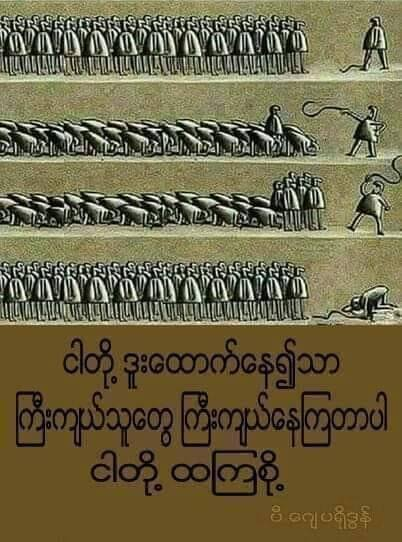
နောက်အရေးကြီးတဲ့ အချက်ကတော့ သူပုန်ထတာကို တပ်နိုင်သမျှရှောင်ပါတဲ့။ မတရားတာလေးတခုနဲ့ သူပုန် မထပါနဲ့။ တိုင်းပြည်ဖရိုဖရဲ ဖြစ်မသွားအောင်ပြောတာ။ ဘာသာရေးပညာရှင်တွေက ပြောထားတာရှိတယ် ဉာဏ် ပညာနဲ့ တုန့်ပြန်ပါတဲ့။ ညင်ညင်သာသာတုန့်ပြန်ပါတဲ့ မွတ်စလင်တွေကို ဖိနှိပ်တယ် မတရားတာဟုတ်တယ်၊ မွတ်စလင်တွေကိုကြတော့ မပေးဘူး မလုပ်ရဘူး ဆိုတာ လောက်နဲ့ ထချရမလားဆိုတော့၊ မချရဘူး။
ဉပဒေအရ အယူခံပါ။ တရားဆွဲပါတဲ့။ မွတ်စလင်တွေကညီညီညွတ်ညွတ်ရှိရမယ်။ ဒီမကောင်းမှု၊ မတရားမှု ကိုမြင်တယ်၊ မြင်ပြီးတော့ ဘာမှမလုပ်ဖူး ပြောင်းလဲဖို့ကိုဘာမှ မလုပ်ဘူးဆိုရင် အလ္လာဟ်အသျှင်မြတ်က အကုန်လုံးကို ဆုံးမလိမ့်မယ်။ မွတ်စလင်တွေကို ကုရ်အန်ထဲမှာရော တမန်တော်မြတ်ကရော ညွန်ကြားတယ်-
- အုပ်ချုပ်တဲ့လူတွေရဲ့စိတ်ကို ပြောင်းပေးဘို့ ဆုတောင်းပေးရမယ်တဲ့
- ဗမာ လိုတော့ မေတ္တာပို့ တာပေါ့
- ငြိမ်းချမ်း စွာနဲ့ မကျေနပ်ကြောင်းကိုပြပါတဲ့ အကြမ်းဖက်ပြီးပြရမှာမဟုတ်ဘူး
- သည်းညီးခံရမယ် ခံနိုင်ရည်ရှိရမယ်
- စေ့စပ် ဆွေးနွေးတာ တွေလုပ်ရမယ်
သည်းညီးခံတာဟာ ဘုရားဝတ်ပြု သလိုမျိုးကို တန်ဖိုး ရှိပါတယ်တဲ့ မနိုင်လို့ ငြိမ်ခံ နေတာမျိုးမဟုတ်ဘူး။ အုပ်ချုပ်တဲ့လူတွေက-
- အပြစ်လုပ်ခိုင်းတဲ့ဟာ
- အရက်သောက်ရမယ်
- ဝက်သားစားရမယ် ဆိုပြီး လုပ်လာတဲ့အခါ
- တရုတ်ပြည် ရှင်ဂျန်နယ်မှာ ဝီဂါမွတ်စလင်တွေကိုလုပ်သလို နမာစ် မဖတ်ရဘူး ရိုဇာ ဉပုတ်စောင့်ရဘူး ဆိုတဲ့ တားစည်းချက် တွေ လုပ် လာတာမျိုးဆိုရင်တော့ မရဘူးပေါ့ ။
- ယောကျ်ားကို ဖမ်းထားပြီး ဘယ်လောက်ယုတ်မာသလဲဆိုတော့ တရုပ်ကွန်မြူနစ်ကေဒါ တွေ ကို အိမ်လွှတ်ပြီးတော့မှ မိန်းမနဲ့ အတူလာအိပ်ပြီ ပညာပေးတဲ့ အထိတောင် သတင်းဆိုးတွေကို ကြားနေရတယ်
အဲ့ဒီလိုမျိုး အပြစ်တွေကိုလုပ်ခိုင်းရင် ကျူးလွန်ခိုင်းရင်မလုပ်ရဘူး။ ဟရမ်လို့ ဘာသာရေးအရတား မြစ်ထားတာကို လုပ်ခိုင်းရင် ဒါကိုတော့ ဆန်ကျင်ရမယ်။ အဲ့ဒါမျိုးတွေကို နားထောင်းရန် မလိုဘူး။
လုပ်ရဘို့ကို တရားတော်က တာဝန်တစ်ခုလို့ကို သတ်မှတ်ထားတဲ့၊ မလုပ်မ နေရလုပ်ရမယ်လို့ မိန့်ထားတဲ့ဟာ နာမာဇ် ဘုရားဝတ်ပြု ၅ ကြိမ် ဖတ်ရမယ်၊ ရိုဇာဥပုသ် စောင့်ထိန်းရမယ်။ အဲ့ဒါ တွေကို လုပ်ရမယ့် ဟာတွေကို ဆန့်ကျင် တားမြစ်လာမယ်ဆိုရင်-
- ဆန်ကျင်မှု့တွေ လုပ်ရလိမ့်မယ်
- ဗြောင်လုပ်လို့ရ ရင်ဗြောင်လုပ်
- တိတ်တိတ်လေးလုပ်လို့ရင် တိတ်တိတ်လေးလုပ်
- ထွက်ပြေးတဲ့လူက ထွက်ပြေး
- ပုန်ကန်တဲ့လူက ပုန်ကန်
ဘာသာရေးနဲ့မဆိုင်တဲ့ အများနဲ့သက်ဆိုင်တဲ့ စည်းကမ်းတွေ ယာဥ်စည်းကမ်း လမ်းစည်းကမ်း ကျန်းမာရေး လမ်းညွှန်ချက် တွေကြတော့ လိုက်နာရမှာပဲ။
ကိုယ်ရောက်ရှိတဲ့ နိုင်ငံကတရားတယ်လို့ သတ်မှတ်ထားတဲ့ တရားဉပဒေ တွေကိုတော့ လိုက်နာရမယ်။ ဘာသာရေးအရ သတ်မှတ်ထားတဲ့ ဉပဒေတွေကို ဆန့်ကျင် ခိုင်းရင်တော့ မရဘူးကန့်ကွက်သင့်ရင် ကန့်ကွက်ရလိမ့်မယ်။ ကိုယ့်အတွက်မထိခိုက်မဲ့ အရာ တွေဆိုရင် လက်ခံရမယ်။
အဲ့တော့ အကျိုးရှိမှာ နဲ့အမြတ် ရမှာတွေနဲ့ ကိုချင့်ချိန်ပြီး လုပ်ကြရမှာပဲ။ မတရားတာကို တွေ့လာပြီဆိုရင် ဉာဏ်ကိုသုံးရမယ် သည်းခံရမယ်။
နောက်တခုက တရားဉပဒေ ဘောင်ထဲကနေပြီးခုခံ။ အဲဒီမှာတော့ မွတ်စလင်တွေပဲဖြစ်ဖြစ် မွတ်စလင်မဟုတ်တဲ့ လူတွေ ပဲဖြစ်ဖြစ်ပေါ့ “မတရားတဲ့ ဉပဒေတွေကို တာဝန်အရဖီဆန်ကြ” ဆိုတာတော့ရှိတယ်။
အခုထွက်ပြေးလာကြတဲ့ ဒုက္ခသည်တွေရှိတယ်-
- အစ္စလာမ်နိုင်ငံတွေက မခေါ်ကြ
- အာဆီယံနိုင်ငံတွေထဲက မွတ်စလင်နိုင်ငံတွေကလည်းမခေါ်ကြ
- အိုအိုင်စီနိုင်ငံ ကရောလက် သင့်ခံ မပေး
ခရိယာန်နိုင်ငံတွေ အနောက်နိုင်ငံတွေကသာ နဲနဲပါးပါးခေါ်သေးတယ်။ အရင်တုန်းကတော့ မွတ်စလင်တွေကိုဟန်ပြလောက်တော့ လက်သင့်ခံပေးသေးတယ်။ နဲနောနဲ့ပါတယ်လေ။
မလေးရှား အဲ့လိုလက်သင့်မခံပေးသော်လည်း၊ မျက်စိကလေးမှိတ်ထားပေးတယ်၊ သိရက်သားနဲ့ အသာလေးလွှတ်ထားပေးတယ်၊ ဆိုရင်တော့ထားပါတော့။
အခုဟာက UNကလည်းမကျွေးဘူး။ ဒုက္ခသည် စခန်းဖွင့်ပြီးလည်းကျွေးမထားဘူး။
သူတို့ဟာသူတို့-
- အပြင်မှာ သန့်ရှင်းရေးလုပ်ကြတယ်
- လုံခြုံရေး အစောင့်တွေလုပ်ကြတယ်
- မြက်ရိတ်ကြတယ်
- ဆိုင်တွေမှာ ပုဂံဆေး နေကြတယ်
- အိမ်တွေမှာ အိမ်သန့်ရှင်းရေးလေးတွေလုပ်ပေးနေကြတယ်
- စားပွဲထိုးနေကြတယ်
- အိုးခွက်ပုဂံတွေ ဆေးပေးနေကြတယ်
- ပလီတွေမှာသန့်ရှင်းရေးတွေလုပ်ပေးနေကြတယ်
- ဆိုင်တွေမှာလည်းဝင်လုပ်ပေးနေကြ တယ်။ တပိုင်တနိုင်လေးတွေသူတို့လုပ်နေကြတယ်။
သူတို့က ဒီနိုင်ငံတွေမှာ-
- နိုင်ငံဝန်ထမ်းလည်း လုပ်မှာမဟုတ်ဘူး
- အရာရှိလည်းလုပ်မှာမဟုတ်ဘူး
- ဝန်ကြီးလည်းလုပ်မှာမဟုတ်ဘူး
- အစိုးရအရာရှိကြီး လည်းလုပ်မှာမဟုတ်ဘူး
- သူတို့ဟာသူတို့ သူတို့မိသားစုရဲ့ စားဝတ်နေရေးအတွက် အောက်ခြေအလုပ်တွေကို လုပ်နေကြတယ်
အဲ့ဒါကိုလိုက်ဖမ်းနေကြတဲ့ အစ္စလာမ်နိုင်ငံတွေအများကြီးရှိတယ် ဒုက္ခသည်တွေကို လိုက်မောင်းထုတ် နေကြတဲ့ သိက္ခာချ ပုတ်ခတ်ပီး ဖမ်းဖိုလှုံ့ဆော်နေ ‘တစ်တော့’ ‘ဖေ့စဘွတ်’မှာ လွှင့်နေတဲ့ အစ္စလာမ်ဘာဝင်တွေရှိတယ်။
တချိန်ကြရင်တော့ အဲ့ဒီနိုင်ငံတွေကို အလ္လာဟ်အသျှင်မြတ် ကဘယ်လို ဆုံးဖြတ် ဆုံးမပေးလိမ့်မယ် ဆိုတာသာစောင့်ကြည့်ကြပေါ့။
အထူးသဖြင့် အစ္စလာမ် ဘာသာဝင်တွေ ဉပုသ်သီလစောင့်နေတဲ့အချိန်ဝါရှောင် ကြတဲ့ အချိန်မှာ ဖမ်းဆီးမှုတွေလုပ်လို့ “အဲ့ဒီကာလမှာ ဉပုသ်သီလစောင့်နေတဲ့လူရဲ့ ဒိုအာဆုတောင်းတာကို အလ္လာဟ်အသျှင်မြတ် ကလက်ခံတယ်”တဲ့။
ဘယ်လောက် ကြောက်ဖို့ ကောင်းသလဲ၊ “မိဘတွေက သာသမီးတွေအတွက်တောင်းတာ သားသမီးတွေက မိဘအတွက် ဆုတောင်း ကြတာတွေကို အလ္လာဟ်အသျှင်မြတ် က လက်သင့်ခံတယ်”တဲ့
တရားမမျှတမှုနောက်မှာ အကုသိုလ်က လိုက်လာမှာပါပဲ။
မဟာတမန်တော်မြတ် (ဆွ) က မိန့်ကြားခဲ့တယ်-
“ဖိနှိပ်ခံရတဲ့ သူတွေဟာ မွတ်စလင်မဟုတ်ဘဲအခြား ဘာသာဝင်များ ဖြစ်လျင်ပင် ၄င်းတို့၏ ဆုတောင်းတာတွေကိုလဲ အလ္လာဟ်အသျှင်မြတ် ကလက်ခံတော်မူလိမ့်မယ်” တဲ့
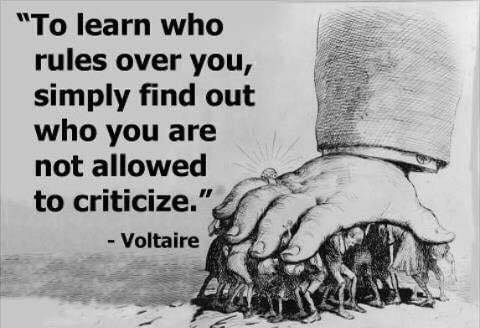
အဲ့တော့ မတရားအုပ်ချုပ်နေတဲ့ သက်ဆိုင်ရာ တာဝန် ရှိသူတွေလည်းသတိထားဖို့လို့တယ်။ အုပ်ချုပ်သူတွေက မွတ်စလင်တွေ မွတ်စလင်နိုင်ငံတွေကဆိုရင်တော့ ပိုသတိထားကြပေါ့။
ဘယ်နိုင်ငံမှာပဲဖြစ်ဖြစ် အဖိနှိပ်ခံလူတန်းစားက ဆုတောင်းရင် ဘုရားကလက် ခံတာပဲ။ သူတို့ရဲ့ဆုတောင်းတွေကပြည့်ကြတယ်။ အဲ့တော့ လူတွေ အရာရှိတွေရဲ့ ကိုယ်ကျင့် သိက္ခာကထိသွားပြီ၊ ဒုက္ခသည်တွေကို နှိပ်စက်တာက ဘာသာ ရေးအရအပြစ်ဖြစ်တယ်။