Yes, it is true that Islam prioritizes peace.
The very word “Islam” is derived from the Arabic root s-l-m, which relates to concepts of peace, safety, and submission (to God’s will). Islamic teachings strongly emphasize peace as a core principle for individuals and society.
(Note: From Wikipedia. In Arabic, Islam (Arabic: إسلام, lit. ‘submission [to God]’) is the verbal noun originating from the verb سلم (salama), from the triliteral root س-ل-م (S-L-M), which forms a large class of words mostly relating to concepts of submission, safeness, and peace. In a religious context, it refers to the total surrender to the will of God. A Muslim (مُسْلِم), the word for a follower of Islam, is the active participle of the same verb form, and means “submitter (to God)” or “one who surrenders (to God)”.)
Core Principles of Peace in Islam
- The Meaning of the Name:
- One of God’s ninety-nine names in the Quran is As-Salaam,
- meaning “The Peace” or “The Source of Serenity”.
- The ultimate goal for believers is Dar al-Salam, the “Home of Peace,” which is Paradise.
- One of God’s ninety-nine names in the Quran is As-Salaam,
- A Universal Greeting:
- Muslims greet one another, and are encouraged to greet others, with “As-salamu alaykum” (Peace be upon you).
- Sanctity of Life:
- Islam places immense value on human life, with the Quran stating that
- “if anyone saved a life, it would be as if he saved the life of the whole people” (Quran 5:32).
- Unnecessary violence and the killing of non-combatants are strictly prohibited, even during conflict.
- Islam places immense value on human life, with the Quran stating that
- Justice and Forgiveness:
- True peace in Islam is intrinsically linked with justice and fairness.
- Muslims are encouraged to pursue justice and,
- in instances of conflict, prioritize reconciliation and forgiveness.
- The Quran instructs believers: “If they incline toward peace, then incline toward it [also] and rely upon Allah” (Quran 8:61).
- Tolerance and Coexistence:
- Islamic teachings advocate for peaceful coexistence with people of other faiths, with no compulsion in religion.
- The Prophet Muhammad established the Constitution of Medina, an early agreement that outlined the rights and obligations for Muslims and non-Muslims, ensuring peace and cooperation.
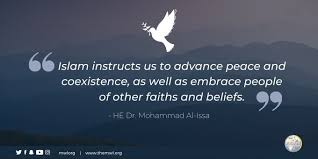
While Islam permits defensive action in cases of aggression or severe oppression, it frames war as an exception and emphasizes non-violence and peaceful resolution as the primary approach.
The life of the Prophet Muhammad is cited as an example of prioritizing peace, even in the face of hostility, such as during the Treaty of Hudaybiyyah and the peaceful conquest of Mecca.
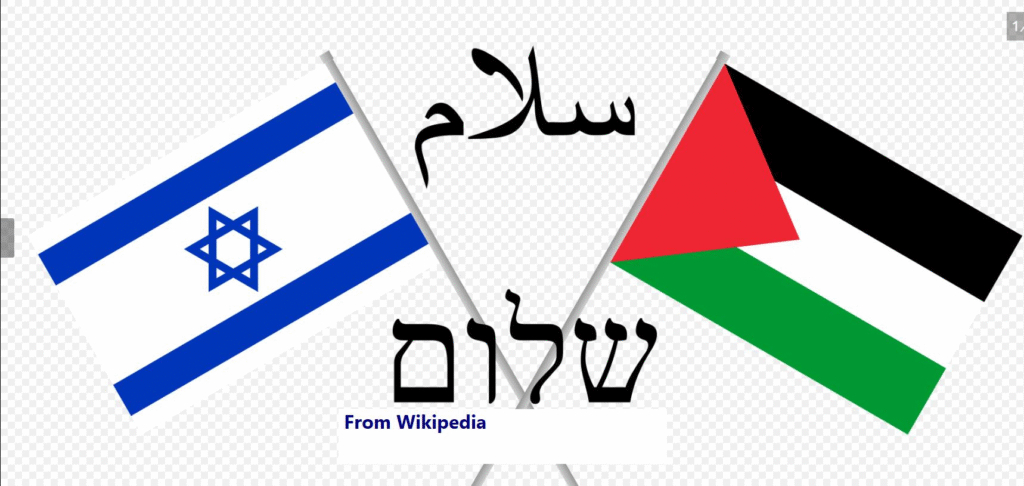
Arabic (and by extension Maltese), Hebrew, Ge’ez, and Aramaic have cognate expressions meaning ‘peace be upon you’ used as a greeting:
- Arabic: As-salāmu ʻalaykum (السلام عليكم) is used to greet others and is an Arabic equivalent of ‘hello’. The appropriate response to such a greeting is “and upon you be peace” (wa-ʻalaykum as-salām).
- Maltese: Sliem għalikom.
- Hebrew: Shālôm ʻalêḵem (שלום עליכם) is the equivalent of the Arabic expression, the response being עליכם שלום ʻAlêḵem shālôm, ‘upon you be peace’.


By Epson291 in English Wikipedia – http://en.wikipedia.org/wiki/Image:Salaam.png, Public Domain, https://commons.wikimedia.org/w/index.php?curid=2994150
By self – en: wikipedia, Public Domain, https://commons.wikimedia.org/w/index.php?curid=1111804
Witnesses tell of courage, panic in wake of Bondi beach shootings
AFP
Fruit seller Ahmed Al Ahmed was hailed for disarming one of the attackers after footage showed him sneaking up on a gunman.
SYDNEY:
A brave few dashed towards Australia’s Bondi Beach as a mass shooting unfolded on Sunday night, wading through fleeing crowds to rescue children, treat the injured and confront the gunmen.
A father-and-son duo opened fire as crowds thronged Australia’s famous surf beach for a yearly Jewish celebration on a balmy summer evening, killing 15 people and wounding dozens more.
Confronting tales of heroism and terror trickled out in the hours following Australia’s deadliest mass shooting in almost 30 years.
Fruit seller Ahmed Al Ahmed, 43, was lauded as the man who disarmed one of the attackers.
Footage showed a t-shirt clad man – later identified as Ahmed by local media – sneaking up on one of the gunmen.
He briefly tussles with the shooter before knocking him to the ground and wresting away the weapon.
“It’s been a very, very brave person, actually, who went and attacked frontally one of the shooters, and saved a lot of lives,” US President Donald Trump said of Ahmed.
Churches, bars and restaurants threw open their doors to shelter the panicked crowds sprinting away from the beach.
Proposal for a Gaza-West Bank Territorial Exchange as a Two-State Solution
အမှတ် ၂၁။ အစ္စလာမ်သာသနာသည် ငြိမ်းချမ်းရေးကို ဦးစားပေးသည်မှာ မှန်ပါသလား။
ဟုတ်ကဲ့၊ အစ္စလာမ်သာသနာသည် ငြိမ်းချမ်းရေးကို ဦးစားပေးသည်မှာ မှန်ကန်ပါသည်။
“အစ္စလာမ်” ဟူသော စကားလုံးကိုယ်တိုင်သည် အာရဗီဘာသာ s-l-m မူလအမြစ်မှ ဆင်းသက်လာခြင်းဖြစ်ပြီး၊
- ငြိမ်းချမ်းမှု၊
- လုံခြုံမှု နှင့်
- အမိန့်နာခံခြင်း (အလ္လာဟ်အသျှင်မြတ်၏ အမိန့်ကို နာခံခြင်း)
ဆိုသော အဓိပ္ပါယ် အယူအဆများနှင့် ဆက်စပ်နေပါသည်။ အလ္လာဟ်အသျှင်မြတ်၏ အလိုတော်အား လုံးဝလက်ခံ နာခံခြင်းကို ရည်ညွှန်းပါသည်။
အစ္စလာမ်သာသနာ၏ သွန်သင်ချက်များသည် လူတဦးချင်းနှင့် လူ့လောကပတ်ဝန်းကျင် အဖွဲ့အစည်းအတွက် အဓိကမူအခြေခံအဖြစ် ငြိမ်းချမ်းရေးကို အလွန်အလေးပေးဖော်ပြထားပါသည်။
“မွတ်စ်လင်မ်” ဆိုသည်မှာ အစ္စလာမ်ကို သက်ဝင်ယုံကြည်ကိုးကွယ်သူ “အလ္လာဟ်အသျှင်မြတ်ကို ယုံကြည်၍ နာခံသူ”
သို့မဟုတ် ” အလ္လာဟ်အသျှင်မြတ်ထံတော်၌ အရာရာကိုပုံ၍ ယုံကြည်အပ်နှံထားသူ” ဟု အဓိပ္ပာယ်ရပါသည်။
အစ္စလာမ်ရှိ ငြိမ်းချမ်းရေး၏ အဓိကအခြေခံများ-
၁/ အစ္စလာမ်၏ အဓိပ္ပာယ်
ကုရ်အာန်ကျမ်းတွင် အလ္လာဟ်အသျှင်မြတ်၏ နာမည်တော် “ကိုးဆယ့်ကိုးပါး” အနက် အမည် တစ်ခုမှာ As-Salaam ဖြစ်ပြီး “ငြိမ်းချမ်းမှု” သို့မဟုတ် “ငြိမ်သက်မှု၏ အရင်းအမြစ်” ဟု အဓိပ္ပာယ်ရပါသည်။
မွတ်စလင်များအတွက် အဆုံးစွန်သော ပန်းတိုင်မှာ Dar al-Salam “ငြိမ်းချမ်းရေး၏ နေအိမ်” ဖြစ်သော “ကောင်းကင်ဘုံ” ဖြစ်ပါသည်။
၂/ မွတ်စလင်များ၏ တစ်ကမ္ဘာလုံးအတွက် နှုတ်ခွန်းဆက်စကား
မွတ်စ်လင်မ်များကို ဘာသာတူချင်းသာမက အခြားသူများအား နှုတ်ခွန်းဆက်သကြရာ၌ (အပ်စလာမို့ အလိုင်ကွမ်း) “သင်တို့အပေါ် ငြိမ်းချမ်းမှုရှိပါစေ” ဟု နှုတ်ခွန်းဆက်ရန် တိုက်တွန်းထားပါသည်။
အာရဗီ နှင့် မောလ်တီစ်၊ ဟီးဘရူး၊ ဂီအက်ဇ်နှင့် အာရမီတို့တွင် ‘သင်တို့အပေါ် ငြိမ်းချမ်းမှုရှိပါစေ’ ဟု အဓိပ္ပာယ်ရသော နှုတ်ခွန်းဆက်စကားနှင့် နီးစပ် သော စကားအသုံးအနှုန်းများ ရှိပါသည်။
အာရဗီ။ ။ As-salāmu ʻalaykum (السلام عليكم) ကို အခြားသူများအား နှုတ်ခွန်းဆက်ရန် အသုံးပြုပြီး ‘မင်္ဂလာပါ’ ၏ အာရဗီ အရင်းခံစကားလုံးဖြစ်ပါသည်။ ထိုသို့သော နှုတ်ခွန်းဆက်စကားအတွက် သင့်လျော်သော တုံ့ပြန်ချက်မှာ “သင်တို့အပေါ်လည်း ငြိမ်းချမ်းမှုရှိပါစေ” (wa-ʻalaykum as-salām) ဖြစ်ပါသည်။
၃/ လူ့အသက်ကိုတန်ဖိုးထားမှု။ ။
အစ္စလာမ်သည် လူ့အသက်အား အလွန်တန်ဖိုးထားပြီး
ကုရ်အာန်ကျမ်း (၅:၃၂) က-
“မည်သူမဆို အသက်တစ်ချောင်းကို ကယ်တင်လျှင် လူသားတစ်ရပ်လုံး၏ အသက်ကို ကယ်တင်သကဲ့သို့ အကျိုးကျေးဇူးဖြစ်မည်”
ဤနေရာ၌ မည်သည့်ဘာသာဝင်၏ အသက်ကိုမဆိုတန်ဖိုးထားခြင်းကိုပြ၏။
စစ်ပွဲအတွင်း၌ပင် မလိုအပ်သော အကြမ်းဖက်မှုနှင့် စစ်တိုက်ခိုက်မှုတွင် ပါဝင်မနေသူများကို သတ်ဖြတ်ခြင်းကို တင်းကြပ်စွာ တားမြစ်ထားပါသည်။
၄/ တရားမျှတမှုနှင့် ခွင့်လွှတ်မှု။ ။
အစ္စလာမ်က စစ်မှန်သော ငြိမ်းချမ်းရေးသည်-
- ဥပဒေအရတရားမျှတမှုနှင့်
- လူသားချင်းစာနာမျှတမှု
တို့ အပေါ်တည်နေသည် ဟုယုံကြည်လက်ခံထားပါသည်။
ထို့ကြောင့် မွတ်စ်လင်မ်များအား တရားမျှတမှုကို ရှာဖွေရန်နှင့်
စစ်ပွဲများအတွင်း နှင့် ပဋိပက္ခအခြေအနေများတွင်ပင်-
- ပြန်လည်သင့်မြတ်ရေးနှင့်
- ခွင့်လွှတ်မှုကို
ဦးစားပေးရန် တိုက်တွန်းထားပါသည်။
၅/ မွတ်စလင်များအား ကျမ်းမြတ် ကုရ်အာန် ၈:၆၁ က ညွှန်ကြားထားပါသည် –
“သူတို့သည် ငြိမ်းချမ်းရေးဘက်သို့ ဦးတည် လှမ်းလျှောက်လျှင် သင်သည်လည်း ငြိမ်းချမ်းရေးဘက်သို့ ရှေ့ရှု၍လိုက်လျှောက်ပြီး အလ္လာဟ်အသျှင်မြတ်အား အားကိုးလော့”
၆/ သည်းခံမှုနှင့် အတူယှဉ်တွဲနေထိုင်မှု
အစ္စလာမ်၏ သွန်သင်ချက်များ၌-
- အခြားဘာသာဝင်များနှင့် ငြိမ်းချမ်းစွာ အတူယှဉ်တွဲနေထိုင်ရန် ညွှန်ကြားထားပြီး
- ဘာသာရေးတွင် အတင်းအကျပ်မပြုရန် ဖော်ပြထားပါသည်။
တမန်တော်မိုဟမ္မဒ် (ဆွ) သည် မက်ဒီနာဖွဲ့စည်းပုံအခြေခံဥပဒေကို ရေးစွဲအတည်ပြုခဲ့၏။
၄င်းစာချုပ်သည် မွတ်စလင်များနှင့် ဘာသာခြားများအတွက်-
- အခွင့်အရေးများနှင့်
- တာဝန်ဝတ္တရားများ
ကို သတ်မှတ်ပေးသော ပထမဆုံးသော သဘောတူညီချက်တစ်ခုဖြစ်ပြီး
- ငြိမ်းချမ်းရေးနှင့်
- ပူးပေါင်းဆောင်ရွက်မှုကို အာမခံမှုပေးနိုင်ခဲ့ပါသည်။
အစ္စလာမ်သည်-
ကျူးကျော်ခံရခြင်း သို့မဟုတ် ရက်စက်သောသော ဖိနှိပ်မှုများအတွက်
ခုခံကာကွယ်ရေး လုပ်ဆောင်ချက်ကို ခွင့်ပြုထားသော်လည်း-
- စစ်ပွဲကို ခြွင်းချက်အဖြစ် သတ်မှတ်ပြီး
- အကြမ်းမဖက်ခြင်းနှင့် ငြိမ်းချမ်းစွာ ဖြေရှင်းခြင်းကို
အဓိက ဖြေရှင်းမှုနည်းလမ်းအဖြစ် အလေးပေးဖော်ပြထားပါသည်။
တမန်တော်မိုဟမ္မဒ် (ဆွ) ၏ ဘဝ၌ Hudaybiyyah စာချုပ်နှင့် မက္ကာမြို့အား ငြိမ်းချမ်းစွာ သိမ်းပိုက်ခြင်းကဲ့သို့သော ရန်လိုမှုများကို ရင်ဆိုင်ရသည့်အခါပင် ငြိမ်းချမ်းရေးကို ဦးစားပေးခဲ့ခြင်း၏ နမူနာအဖြစ် ကိုးကားဖော်ပြလေ့ရှိပါသည်။
အစ္စလာမ်က ငြိမ်းချမ်းရေးတွက်ကို ဓိကထားပြီးပြောတယ်။ တချို့မွတ်စလင်ဆိုးတွေက မငြိမ်းချမ်းအောင်အောင်လုပ်တယ်။ မျာသောအားဖြင့် ကောင်းတဲ့ မွတ်စလင်တွေက ငြိမ်းချမ်းအောင်ကြိုးစားကြတယ်။
သြစထရေးလီးယား ဘွန်ဒီကမ်းခြေ အကြမ်းဖက်မှုကိုကြည့်ပါက_ ဂျုးတွေကို မွတ်စလင်သားအဖနှစ်ယောက်ကပစ်တယ်။ အဲ့လိုပစ်တဲ့ အချိန်မှာ ဝင်ကယ်တာကလည်း မွတ်စလင်ပဲ။ အဲ့ဒီနေရာမှာ သစ်သီးရောင်းနေတဲ့လူ ‘အဟာမက်’ ဆိုတဲ့လူက ဝင်ကယ်လိုက်တာ။ အဲ့လိုကယ်တာကို နောက်တယောက်က သေနတ်နဲ့ လှမ်းပစ်လို့၊ ကယ်တဲ့လူမှာသေနတ်ဒဏ်ရာ ရပြီးဆေးရုံတင်လိုက်ရတယ်။ အဲ့ဒီတော့ မွတ်စလင်တွေထဲမှာလည်း အကြမ်းဖက်လုပ်တဲ့ လူကလုပ်တယ်၊ ကယ်တဲ့မွတ်စလင်ကလည်း အသက်တောင်စွန့်ပြီးကယ်တယ်။ လူတွေပဲဗျာ၊ ဆိုးသူ ကောင်းသူတွေ ရှိမှာပဲ။ အဲ့လိုကြတော့၊ ကြည့်နေတဲ့လူတွေ ဗွီဒီယို သက်သေလည်းရှိတော့ မွတ်စလင်က လုပ်ပါတယ်ဆိုပြီးတော့ မတရား တံဆိပ်တပ် ပြောလို့မရတော့ဘူး။
လူတွေက ငြိမ်းချမ်းတွေအတွက် ပြောနေကြတယ်။ ပြီးတော့သတ်နေကြတယ်။ စစ်မှန် တဲ့ငြိမ်းချမ်း ရေးလုပ်ကြပါတော့ဗျာ။ ကြားနေရတာတွေက မပြီးနိုင်မစီးနိုင် သမင်မွေးရင်း ကျားစားရင်းဖြစ် နေတယ်။ အပြန်အလှန်လုပ်နေကြတယ်။ ရန်ကဘယ်တော့မှပြတ်မှာမဟုတ်ဘူး။ မီးကို ဘယ်တော့မှ မီးနဲ့ ညှိမ်းလို့ မရဘူး။ ငြိမ်းချမ်းရေးဆိုတဲ့ ရေ နဲ့ပဲညှိမ်းယူကြရမယ်။
ပါလက်စတိုင်းမှာ အခုဖြစ်နေတာတွေကလည်း မြေနေရာလုနေ ကြတာပဲ။ ဘာသာရေး မဟုတ်ဘူး၊ မြေနေရာလုနေကြတာပဲ။ အဲ့ဒီတော့ လူဖြူတွေရဲ့ အသဲစွဲ အခွင့်ထူးခံ တနိုင်ငံထဲက အဲ့လိုလုပ်ပြီ ဆိုရင်တော့ ရတယ်။ သူတို့သိပ်လိုချင်လို့ဆိုရင် သူများအိမ်လဲသွားဖျက်လို့ရတယ်။ သူ့လည်းအကြမ်းဖက်လို့ရတယ်။
တကယ် တရားမျှတတဲ့ ဉပဒေအရဆိုရင်၊ ဉပဒေအောက်မှာ အားလုံးတန်းတူ၊ အတူတူပဲလုပ်ရမယ်။ အဲ့တော့ ဂျုးတွေအတွက် ဉပဒေတစ်ခု၊ အာရပ်တွေ ပါလက်စတိုင်းတွေအတွက် ဉပဒေတစ်ခုလုပ်လို့မရဘူး။ တစ်နိုင်ငံထဲ ပေါင်းနေမယ်ဆိုရင်၊ တန်းတူညီတူ အစအဆုံးတူတယ် ဆိုရင် လက်သင့်ခံလိုက်ပေါ့ဗျာ။ အဲ့တော့လည်းပြောကြရဦးမှာ။ အဲ့ဒီလိုဆိုရင်လည်း၊ နိုင်ငံသားတွေ ဝင်ခွင့် ထွက်ခွင့်ရော ပြောင်းရွေ့လာရောက်နေထိုင်တဲ့ လူတွေအတွက်ရော ဥပဒေသတ်မှတ်ချက်က အကုန်လုံးအတူတူပဲဖြစ်ရမှာ။ အဲ့ဒါမ လုပ်နိုင်ဘူးဆိုရင်တော့ နှစ်နိုင်ငံခွဲနေကြပေါ့ဗျာ။
၁၉၄၇-ခုနှစ်တုန်းကလားမသိဘူး၊ ဘာမှမဖြစ်ခင်တုန်းက၊ ကုလသမဂ္ဂက အမှန်တော့ လုပ်ပိုင်ခွင့် တကယ်မရှိဘဲနဲ့ ဝင်ပြီးတော့ ခွဲပေးလိုက်တာ။ ဘာမဆိုင် မဆိုင်လုပ်လိုက်လို့ ဒီပြဿနာကြီးစရတာပါ။ နောက်တစ်ခုက ဂါဇာကြီးကို ထရမ့်က လည်းလိုချင်တယ်၊ အစ္စရေးကလည်းလိုချင်တယ်။ အကုန်လုံး ဆိပ်ကမ်းကြီးနဲ့ ဘာကြီးနဲ့ တိုးတက်အောင်လုပ်မယ်ဆိုပြီးပြောလာတယ်။
အဲ့ဒီတော့ သိပ်ယူချင်ရင် ယူလိုက်ပေါ့။ ဒါပေမဲ့ ပြန်တော့ပေးရမဲ့ဟာရှိတယ်။ ဘာကိုပေးရမလဲဆိုတော့ အနောက်ဖက်ကမ်းကိုပေးလိုက်ပေါ့။ အနောက်ဖက်ကမ်းနဲ့ ဂျေရုဆလင်ရဲ့ တဝက်ကိုပေးရမှာပဲ။ အကြမ်းဖက်နေတဲ့ ကိုလိုနီနယ်ချဲ့ ကျူးကျော်သူတွေ အနောက်ဖက်ကမ်းကနေ တယောက်မကျန် ပြန်ခေါ်ထုတ်လိုက်ပေါ့။ အိမ်တွေ ယာတွေ စိုက်ပျိုးခြံ တွေမဖျက်စီးခဲ့နဲ့။ ဂါဇာက ဒုက္ခသည်တွေနဲ့ အနောက်ဖက်ကမ်းရှိမူလပိုင်ရှင်တွေ ခွဲဝေယူကြ။
နှစ်နိုင်ငံချစ်ကြည်ရေး စာချုပ်လုပ်ပြီး လက်မှတ်ထိုး။ တစ်ယောက်နဲ့တစ်ယောက် မတိုက်စတမ်း ဆိုပြီးလုပ်လိုက်။ မဟုတ်ရင်လည်း ကုလသမဂ္ဂ ကစောင့်ကြည့်သူတွေပဲချထားပေးလိုက်ပေါ့။
အကြမ်းမဖက်ဖို့ အသက်ကိုတန်ဖိုးထားဖို့ အစ္စလာမ်က ဘာပြောထားသလဲဆိုတော့ လူတွေကို ကယ်ဖို့ မသတ်ဖို့ ဆိုပြီးဒါတွေကိုပဲ အမြဲပြောနေတာပါ။
- မလိုအပ်ပဲနဲ့ အကြမ်းမဖက်ဖို့ရယ်။
- တိုက်ပွဲ ဝင်နေတာမဟုတ်တဲ့လူ။
- တိုက်ပွဲမှဒဏ်ရာရလို့ ထွက်ပြေးတဲ့လူကို နောက်ကနေ လိုက်ပစ်လို့မရဘူး။
- သေနေတဲ့လူ့အလောင်းကို လည်းရုပ်ပျက်ဆင်းပျက်ဖြစ်အောင် လုပ်လို့မရဘူး။
- မသေမရှင်ကိုလည်းဖမ်းပြီးထုရိုက်သတ်တာ ညှင်းဆဲတာ လုပ်လို့မရဘူး။
- မျက်လုံး ဖေါက်ပစ်တာတို ရပ်ပျက်အောင် ရိုက်နှက် ညှင်းဆဲတာတို့ လုပ်လို့မရဘူး။
- လက်ဖြတ်ခြေဖြတ်လုပ်လို့မရဘူး။
အဲဒါကြောင့် အစ္စလာမ်ကို အကြမ်းဘက်ပြီး ငြိမ်းချမ်းရေး အားပေးတဲ့ဘာသာ မဟုတ်ဘူးလို့ ပြောလို့မရဘူး။ အစ္စလာမ်ဉပဒေအရကတော့ ရှိနေတာဘဲ။ ကျန်တာတွေက မဟုတ်တာလုပ်တဲ့သူ ရှိရင် သူ့ကို ဥပဒေအရ လိုအပ်သလိုအပြစ်ပေးသင့်တာပေါ့။
တရား မျှတခြင်းနဲ့ ခွင့်လွှတ်ခြင်းကို ဉီးစားပေးတယ်
အစ္စလာမ်ဘာသာက ဘာကိုအခြေခံထားသလဲဆိုတော့ ဥပဒေအရ တရားမျှတမှု့နဲ လူသားချင်း စာနာသနား မျှတမှု ဆိုတာတွေကို မွတ်စလင်တွေကို အမြဲတမ်း သင်ကြားထားတယ်။
ရန်ဖြစ်တယ် မကြေမလည်ဖြစ်တယ် စကားများတယ် စစ်ဖြစ်တယ် ဆိုလိုက်ရင်၊ အစ္စလာမ်က ဘာကိုပြောသလဲဆိုတော့-
- ဆွေးနွေး ညှိနှိုင်းကြဖို့။
- ရင်ကြားစေ့ဖို့နဲ့
- ခွင့်လွှတ်ဖို့ကို
ညွန်ကြားထားတယ်။ အဲဒါတွေကို အရင်လုပ်ကြပါ။ ချက်ခြင်းထပြီးမသတ်ကြပါနဲ့ စစ်ကို အရင်စပြီး မတိုက်ကြပါနဲ့ဦးတဲ့။
ကုရ်အန် (၈-၆၁)မှာပြောထားပါတယ်
“ကိုယ်ရဲ့ ဆန်ကျင် ဖက်ရန်သူက ငြိမ်းချမ်းမှုဘက်ကို ယိမ်းယိုင် လာတယ်ဆိုရင်၊ ကိုယ်ကလည်း ငြိမ်းချမ်းမှုဘက်ကို ဦးလှည့်လိုက်ပါ”
နောက်တခုက အစ္စလာမ်က အခြားဘာသာဝင်တွေနဲ့ရော ကိုယ်အချင်းချင်း အယူအစကွဲသူတွေနဲ့ ရော မတူကွဲပြားတဲ့သူတွေ အားလုံးနဲ့ အတူတူ တွဲပြီးနေထိုင်နိုင်အောင် ကျိုးစားကြဖို့ ညွန်ကြားထားတယ်။
ငါတို့ကအစ္စလာမ်ကွ၊ ငါတို့က ရှင်ဘုရင်ကွလို့ဆိုပြီး အာဏာရှိတိုင်း အနိုင်ကျင့်ပြီး မင်းတို့ဘာသာပြောင်းရမယ် ဘာညာဆိုပြီး နိုင်ထက်ဆီးနင်း လုပ်လို့မရဘူး။
ဘာသာရေးမှာ အတင်း အဓမ္မလုပ်ပိုင်ခွင့် မရှိလို့ ကုရ်အန်က ဆုံးမသွန်သင် ထားပါတယ်။
တမန် တော်မြတ်က မိန့်ကြားခဲ့ပြီး အစ္စလာမ်က ဘာကို ညွန်ကြားထားသလဲဆိုတော့-
- ငြိမ်းချမ်းရေးကိုမြှင်တင်ဖို့။
- အတူတကွ ပူးတွဲနေထိုင်ဖို့။
- တခြားဘာသာဝင်တွေယုံကြည်ချက်ခြင်းမတူတဲ့သူတွေကို ပွေ့ဖက်ပြီးတော့ ချစ်ကြည်ရင်းနှီးကြဖို့
အစ္စလာမ်က-
- အကြမ်းဖက်တဲ့လူတွေ၊
- ကျူးကျော်စော်ကားတဲ့လူတွေ၊
- မတရားဖိနှိပ်တဲ့လူတွေ၊
ကိုပြန်လည်တွန်းလှန်ဖို့ ခုခံကာကွယ်ပိုင်ခွင့် ပေးထားတယ်။
ဒါပေမဲ့အဲ့ဒီလို ကိုယ်ဟာကို စစ်ပွဲကိုစပြီး ဘာသာရေးစစ်ပွဲ ‘ဂျီဟတ်’ လို့ကြေညာလို့မရဘူး။ မတရားတာကလေးနဲ့ ထသွားပြီး ဂျီဟတ်မကြေညာနဲ့ ။
- အဲ့တော့ ကိုယ့်နေရာ ကိုယ့်မြေ ကိုယ်နိုင်ငံကိုဝင်တိုက် ကျူးကျော်တယ်ဆိုရင် ‘ဂျီဟတ်’ လုပ်လို့ရတယ်။
- ကိုယ်ဘာသာရဲ့ မလုပ်မနေရ လုပ်ရမယ့်တာဝန်တွေကို မလုပ်ရအောင်တားတယ်။
- ဒါမှမဟုတ်ရင်လည်း ဘာသာရေးအရတားမြစ်ထားတဲ့ မစားရတာဟာတွေ မသောက်ရတဲ့ ဟာတွေ ဟရမ် ကိုဇွတ်စားခိုင်း လုပ်ခိုင်းတယ်။
- ဘာသာဇွတ်ပြောင်းခိုင်းတယ်ဆိုရင်တော့။
‘ဂျီဟတ်’ လုပ်လို့ရတယ်။ မတရားတာကလေးတခုနဲ့ တော့ ထပြီးအသေအလဲတော့ မတိုက်မချနဲ့။
- နောက်ပြီး တော့ ရန်သူကိုတိုက်ပြီ ဆိုရင် အလစ်ဝင်မတိုက်ရ၊ စစ်ကြေညာ ပြီးမှတိုက်ရမယ်။
- တိုက်နေရင်း အချိန်မှာလည်း ရန်သူက ကြေအေးချင်တယ်ဆိုရင်လည်း ကိုယ်က ကြေအေးပေးရမယ်။
- စစ်ရပ်ချင်တယ်ဆိုလည်း၊ ကိုယ်ကစစ်ကို ရပ်ပေးရမယ်။
- ဆွေးနွေးချင်တယ် ဆိုရင် လည်းဆွေနွေးရမယ်။
- နောက်တခုက ရန်သူဟာ ရှုံးနေတယ် ထွက်ပြေးတယ်ဆိုရင် နောက်ကနေ သေနတ်နဲ့ လှမ်းမပစ်ရဘူး ရန်သူဒဏ်ယာရနေရင်မသတ်ရဘူး။
- နောက်ပြီးရန်သူရဲ့ မိန်းမတွေ ကလေးတွေ
- အိုမင်း မစွမ်း တဲ့လူတွေ
- အိုနာကျိုးကမ်းနေတဲ့ လူတွေကို သွားပြီးမသတ်ရဘူး။
- သူတို့ရဲ တိရိစ္စာန်တွေကို မသတ်ရဘူး။
- သူတို့ရဲ့ အိမ်တွေကို မီးမရှို့ရဘူး။
- သူတို့ရဲ့ ပိုင်ဆိုင်မှု့တွေကို မဖျက်ဆီးရဘူး။
- သူတို့ရဲ့ ကောက်ပဲ သီးနှံတွေ စားနပ်ရိက္ခာတွေကိုမဖျက်ဆီးရဘူး။
- အဲဒါတွေကို အစ္စလာမ်က စစ်ရာဇဝတ်မှုလို့ ကိုသတ်မှတ်ထားပြီးသား။
- သူတို့ရဲ့ဘုရားကျောင်းတွေ၊
- သူတို့ရဲ့ဘုန်းကြီးကို သွားမသတ်ရဘူး။
- သူတို့သာသနာ့ ပညာရှင်တွေကို သွားမသတ်ရဘူး။
- သူတို့ရဲ့ ဘုန်းကြီးကျောင်းတို့ ဓမ္မာရုံတို့ကို သွားမဖျက်ဆီးရဘူး။
- သစ်ပင်တွေကို မခုတ်ပစ်ရဘူး။
တမန်တော်မြတ်ရဲ့ ဘဝဖြစ်စဉ်က ငြိမ်းချမ်းရေးပါ။
ရန်လိုမှုတွေ တွေ့ရင်တောင်မှ ငြိမ်းချမ်းရေးအတွက်ကို ဉီးစားပေးလုပ်ခဲ့တယ်။ ညှိနိုင်းခဲ့တယ်။
- ငြိမ်းချမ်းရေးစိတ်ဓါတ် ထားကြပါ။
- ရင်ကြားစေ့ဖို့ တယာက်နဲ့တယောက် ရန်မလိုဘို့ ဆိုတာ ကိုယ်ကစပြီးလုပ်ရမှာပါ။
- ငြိမ်းချမ်းရေးလက်ကို ကိုယ်ကစ ကမ်းရမှာပဲ။
- ဘယ်လောက်ကြီးကိုယ့်အပေါ် မတရားလုပ်လုပ်၊ အဲဒီသူများတွေ မတရားလုပ်သလိုမျိုး ပြန်ပြီးကိုယ်ကလုပ်လို့မရဘူး။ ကလဲ့စားမချေရဘူး။
အစ္စလာမ်မှာ အဲ့ဒီလိုသတ်မှတ်ချက်တွေ တိတိကျကျချမှတ်ထားပါတယ်။