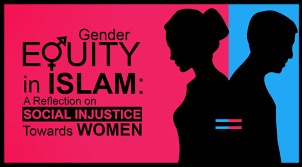
The question of gender discrimination in Islam is a subject of ongoing debate on different POVs (Point Of Views), with multiple perspectives rooted in religious texts, interpretations, and cultural contexts.
Islamic Theological Perspective
According to the core principles of Islam, men and women are considered equal in terms of their fundamental human dignity, spiritual worth, and moral accountability before God.
- Spiritual and Moral Equality:
- The Quran emphasizes that the most noble in the sight of God are those who are most righteous, regardless of gender.
- Both men and women who do good deeds and have faith are promised the same reward in Paradise.
- Common Origin: Islamic texts state that
- all humanity was created from a single soul,
- highlighting a shared origin and inherent equality.
- Rights and Responsibilities:
- Islam grants both genders specific, sometimes different, rights and obligations that are intended to be complementary and just, rather than discriminatory.
- For example, men are generally assigned the role of financial providers and protectors,
- while women are not obligated to contribute financially to the household, even if they have their own wealth.
Realities in Muslim-Majority Countries
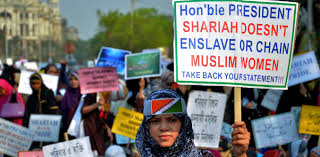
Despite the theological emphasis on equality and justice, the lived experiences of women in Muslim-majority countries often show significant disparities.
- Cultural vs. Religious Practices:
- Many scholars and activists argue that gender discrimination experienced in various Muslim societies is
- a result of deeply entrenched local cultural practices,
- patriarchal traditions, and
- specific human interpretations of religious texts (Sharia and Hadith), rather than the core tenets of Islam itself.
- Many scholars and activists argue that gender discrimination experienced in various Muslim societies is
- Legal Disparities:
- In countries where Islam is a primary source of legislation,
- women often face legal discrimination,
- particularly in personal status matters like
- inheritance,
- divorce, and
- testimony in court.
- For instance, traditional inheritance laws often grant a man a larger share than a woman, which is contextualized by men’s financial obligations to provide for female relatives.
- In countries where Islam is a primary source of legislation,
- Advocacy for Reform: Movements like Musawah (Equality in Arabic) advocate for women’s rights and gender equality from within an Islamic framework, challenging traditional, male-dominated interpretations of religious law and promoting a more just application of Islamic principles.
In summary
While the core texts of Islam emphasize the fundamental equality of men and women as human beings, the practical application and interpretation of these principles vary widely and are heavily influenced by cultural and political factors, leading to instances of discrimination in some contexts.
Myanmar Muslims News Network
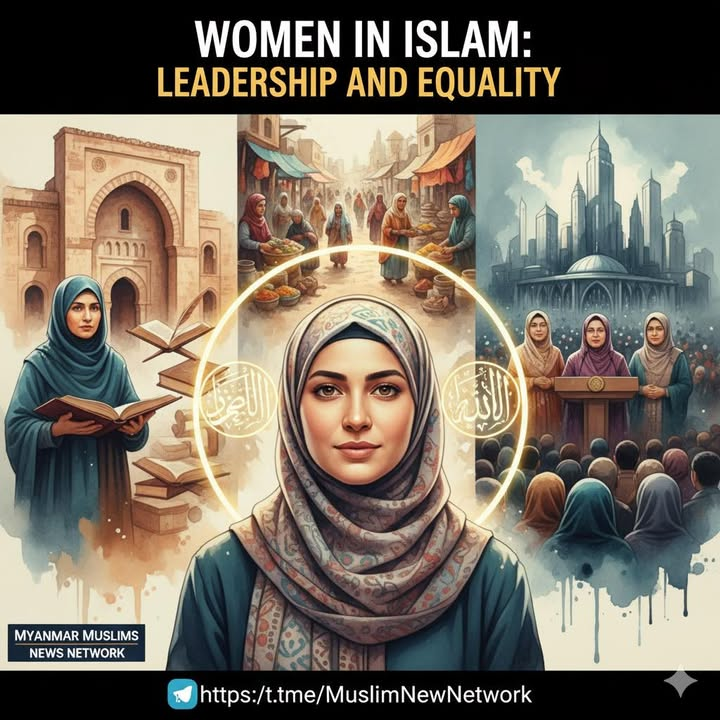
၁၉/အစ္စလာမ်ဘာသာတွင် အမျိုးသားနှင့် အမျိုးသမီး ခွဲခြားမှု ရှိပါသလား?
အဆင့်အတန်း၊ လုပ်ပိုင်ခွင့်နှင့် ခေါင်းဆောင်မှုကဏ္ဍ
ယ္ခုလို ခေတ်မီ တိုးတက်သောအချိန်၌ “ကျား၊ မ တန်းတူညီမျှရေး” သို့မဟုတ် “လိင်ခွဲခြားမှုတိုက်ဖျက်ရေး” သည် အလွန်အရေးပါသော ခေါင်းစဉ်တစ်ခု ဖြစ်လာသည်။ ထိုနည်းတူစွာပင် “အစ္စလာမ်ဘာသာသည် အမျိုးသမီးများကို ဖိနှိပ်ထားသလား၊ အမျိုးသားနှင့် အမျိုးသမီးအကြား ခွဲခြားဆက်ဆံမှု ရှိသလား?” ဆိုသည့် မေးခွန်းမှာလည်း အများက စိတ်ဝင်တစား မေးလေ့ရှိကြသည်။ ဤမေးခွန်းကို ဖြေဆိုရန်အတွက် အစ္စလာမ်၏ အခြေခံမူဝါဒဖြစ်သော ကုရ်အာန်ကျမ်းစာနှင့် တမန်တော်မြတ်ကြီး မိုဟမ္မဒ် (ဆွ)၏ လမ်းညွှန်ချက်များကို နက်နက်ရှိုင်းရှိုင်း လေ့လာရန် လိုအပ်ပါသည်။
အလ္လာဟ်အသျှင်မြတ်ရှေ့မှောက်တွင် တန်းတူညီမျှမှု
အစ္စလာမ်ဘာသာ၏ အခြေခံအကျဆုံး အယူအဆမှာ “အလ္လာဟ်အရှင်မြတ်၏ ရှေ့မှောက်တွင် လူသားအားလုံးသည် (အမျိုးသားဖြစ်စေ၊ အမျိုးသမီးဖြစ်စေ) တန်းတူညီမျှ ဖြစ်ကြသည်”ဟူသောအချက် ဖြစ်သည်။
ကုရ်အာန်ကျမ်းမြတ် အခန်း (၄) ၊ စူရာဟ် နီစာအ်၊ အာယသ်တော် (၁) တွင် အလ္လာဟ်အရှင်မြတ်က လူသားများကို ဖန်ဆင်းရာတွင် မူလအစ “အသက်တချောင်းတည်း” မှ ဖန်ဆင်းထားကြောင်း ဖော်ပြထားသည်။
အလှူဒါနပြုခြင်း၊ ဝတ်ပြုကိုးကွယ်ခြင်းနှင့် ကောင်းမှုကုသိုလ်ပြုခြင်းတို့တွင်-
အမျိုးသားနှင့် အမျိုးသမီး နှစ်ဦးစလုံးသည် တူညီသော အကျိုးကျေးဇူးကို ခံစားရမည်ဖြစ်သည်။
ကုရ်အာန် (၁၆:၉၇) ၌-
“မည်သူမဆို (အမျိုးသားဖြစ်စေ၊ အမျိုးသမီးဖြစ်စေ) အီမာန်ယုံကြည်မူဖြင့် ကောင်းမှုပြုပါက ထိုသူတို့ကို သာယာဝပြောသော ဘဝဖြင့် နေထိုင်စေမည်”
ပညာသင်ကြားခွင့်နှင့် အသိဉာဏ်ဖွံ့ဖြိုးမှု
အစ္စလာမ်သည် အမျိုးသမီးများ၏ ပညာရေးကို အထူးအလေးပေးသည်။
“ပညာရှာဖွေခြင်းသည် မူဆလင် အမျိုးသား၊ အမျိုးသမီးတိုင်းအပေါ် မဖြစ်မနေ တာဝန် (ဝါဂျစ်) ဖြစ်သည်” ဟု တမန်တော်မြတ် မိုဟမ္မဒ် (ဆွ) က မိန့်ကြားခဲ့သည်။
အစ္စလာမ့်သမိုင်းတွင် တမန်တော်မြတ်၏ ဇနီး အာအေရှာ (ရဿ) သည် အသိဉာဏ်အမြော်အမြင် အရှိဆုံး ပညာရှင်တစ်ဦးဖြစ်ပြီး အမျိုးသား၊ အမျိုးသမီး ထောင်ပေါင်းများစွာကို ဘာသာရေးနှင့် လူမှုရေးပညာရပ်များ သင်ကြားပြသပေးခဲ့သူ ဖြစ်သည်။
ဖာသီမာ အလ်-ဖီဟရီ (Fatima al-Fihri) သည် အေဒီ ၈၅၉ ခုနှစ်တွင် ကမ္ဘာ့ပထမဆုံးသော ဘွဲ့နှင်းသဘင်ပေးသည့် တက္ကသိုလ် (University of Al-Quaraouiyine) ကို တည်ထောင်ခဲ့သူ မူဆလင်အမျိုးသမီးကြီး ဖြစ်သည်။
အလုပ်လုပ်ကိုင်ခွင့်နှင့် စီးပွားရေးလွတ်လပ်ခွင့်
အစ္စလာမ်ဘာသာတွင် အမျိုးသမီးတစ်ဦးသည် မိမိ၏ ဂုဏ်သိက္ခာနှင့် ကိုက်ညီသော သမာအာဇီဝ မည်သည့်အလုပ်ကိုမဆို လုပ်ကိုင်ခွင့်ရှိသည်။
အမျိုးသမီးများသည်-
- မိမိတို့ကိုယ်ပိုင် စီးပွားဥစ္စာကို ပိုင်ဆိုင်ခွင့်၊
- စီမံခန့်ခွဲခွင့် အပြည့်အဝရှိသည်။
- ၎င်းတို့ ရှာဖွေရရှိသော ဝင်ငွေသည် ၎င်းတို့၏ ကိုယ်ပိုင်ပစ္စည်းသာဖြစ်ပြီး ခင်ပွန်း သို့မဟုတ် ဖခင်က အတင်းအဓမ္မ ရယူပိုင်ခွင့်မရှိပါ။
စံနမူနာ အနေနှင့် တမန်တော်မြတ်၏ ပထမဆုံးဇနီး ခဒီဂျာ (ရဿ) သည် အလွန်အောင်မြင်သော စီးပွားရေးလုပ်ငန်းရှင် အမျိုးသမီးကြီးတစ်ဦး ဖြစ်ခဲ့သည်။
အစိုးရတာဝန်နှင့် ခေါင်းဆောင်မှုကဏ္ဍ
အစ္စလာမ်သည် အမျိုးသမီးများအား လူမှုရေးနှင့် နိုင်ငံရေးကဏ္ဍများတွင် ပါဝင်ခွင့်ကို ပိတ်ပင်ထားခြင်းမရှိပါ။
အစ္စလာမ့်သမိုင်းတွင် ဒုတိယမြောက် ခလီဖာ အိုမရ် (ရဿ) လက်ထက်၌ အမျိုးသမီးဖြစ်သူ ‘အလ်-ရှီဖာ ဘင်တီ အဗ္ဗဒူလာ (Al-Shifa bint Abdullah) ‘ ကို မဒီနာမြို့၏ ဈေးကွက်ကြီးကြပ်ရေးအရာရှိ (ယနေ့ခေတ် အုပ်ချုပ်ရေး သို့မဟုတ် စည်ပင်အရာရှိကဲ့သို့ တာဝန်) အဖြစ် ခန့်အပ်ခဲ့သည်။
ယနေ့ခေတ်တွင်လည်း နိုင်ငံရေးနှင့် အစိုးရကဏ္ဍများ၌ ထိပ်တန်းမှ ဦးဆောင်ခဲ့သော အစ္စလမ်အမျိုးသမီးများစွာ ရှိပါသည်။
ကမ္ဘာကျော် စံနမူနာများ –
- ဘနာဇီယာ ဘူတို (Benazir Bhutto): ပါကစ္စတန်နိုင်ငံ၏ ဝန်ကြီးချုပ်အဖြစ် နှစ်ကြိမ်တိုင်တိုင် ရွေးကောက်ခံခဲ့ရပြီး မွတ်စလင်ကမ္ဘာတွင် ပထမဆုံးသော အစိုးရအဖွဲ့ အကြီးအကဲ အမျိုးသမီး ဖြစ်လာခဲ့သည်။
- ရှိတ် ဟဆီနာ (Sheikh Hasina): ဘင်္ဂလားဒေ့ရှ်နိုင်ငံ၏ ဝန်ကြီးချုပ်အဖြစ် နှစ်ပေါင်းများစွာ တာဝန်ထမ်းဆောင်ကာ နိုင်ငံ၏ စီးပွားရေးနှင့် ဖွံ့ဖြိုးတိုးတက်မှုကို ဦးဆောင်ခဲ့သည်။
- ခါလီဒါ ဇီယာ Khaleda Zia (Bangladesh): ဘင်္ဂလား ဝန်ကြီးချုပ် (၁၉၉၁-၁၉၉၆/၂၀၀၁-၂၀၀၆
- တန်စူစီလာ (Tansu Çiller): တူရကီနိုင်ငံ၏ ပထမဆုံး အမျိုးသမီး ဝန်ကြီးချုပ် ၁၉၉၃-၁၉၉၆ အဖြစ် တာဝန်ယူကာ နိုင်ငံရေးနှင့် စီးပွားရေးကဏ္ဍများတွင် ဦးဆောင်ခဲ့သည်။
- မီဂါဝါတီ ဆူကာနို ပူထရီ (Megawati Sukarnoputri) အင်ဒိုနီးရှားနိုင်ငံရဲ့ ပထမဆုံး အမျိုးသမီးသမ္မတဖြစ်သည်။ ၂၀၀၁ ခုနှစ်ကနေ ၂၀၀၄ ခုနှစ်အထိ အင်ဒိုနီးရှားနိုင်ငံရဲ့ (၅) ဦးမြောက် သမ္မတ အဖြစ် တာဝန်ထမ်းဆောင် ခဲ့ဖူးပါသည်။
- ဆာမီးယား ဆူလူဟူး (တန်ဇန်နီးယား) Samia Suluhu: မတ်လ ၁၉- ၂၀၂၁ မှ ယ္ခုထိ သမတ ဖြစ်သည်။
- ဂျိုဆာ အိုစမာနီ Vjosa Osmani (Kosovo): ဧပြီ ၄- ၂၀၂၁ ကိုဆိုဗို သမတဖြစ်သည်။
- အာတီဖီတေ ဂျာဂျဂါး Atifete Jahjaga ကိုဆိုဗို သမတ ၂၀၁၁-၂၀၁၆
- ဆာရာ ဇဖါရာနီ Sara Zaafarani (Tunisia): မတ်လ ၂၁-၂၀၂၅ မှ ယ္ခုထိ တူနီးရှား ဝန်ကြီးချုပ်ဖြစ်သည်။
- မာမီမာဒီယို ဘိုယီး Mame Madior Boye မာမီမာဒီယို ဘိုယီး ဆီနီဂေါ ဝန်ကြီးချုပ် ၂၀၀၁
- ရိုဇာ အိုတွန်ဘရီဗာ Roza Otunbayeva Kyrgyzstan ခရစ္စတန် သမတ ၂၀၁၀-၂၀၁၁
- ဆီဆေ မာရီရမ် ကိုင်ဒါမာ စီဒီဘေး Cissé Mariam Kaïdama Sidibé မာလီ ဝန်ကြီးချုပ် ၂၀၁၁-၂၀၁၂
- ဆီဘဲလ် ဆီဘာ Sibel Siber Northern Cyprus ဆိုက်ပရပ်စ မြောက်ပိုင်း ၂၀၁၃
- အမီနာတာ တိုရေး Aminata Touré ဆီနီဂေါ ဝန်ချုပ် ၂၀၁၃-၁၄
- အမီနာ ဂူရစ်ဘ် ဖါကင်းမ Ameenah Gurib-Fakim မောရစ်ရှပ်စ သမတ၂၀၁၅-၁၈
မှတ်ချက်။ ဤစာရင်း၌ စာလေးမည်စိုး၍ အမျိုးသ္မီး ဒု သမတများ၊ ဒုဝန်ကြီးချုပ်များ ဝန်ကြီးများ နှင့် အခြား ခေါင်းဆောင်များစာရင်းကို မဖေါ်ပြတော့ပါ။
အရေးကြီးသော နိုင်ငံရေးနှင့် လူမှုရေး ကိစ္စရပ်များတွင် အမျိုးသမီးများ၏ အကြံဉာဏ်ကို ရယူရန် အစ္စလာမ်က အားပေးသည်။ တမန်တော်မြတ်ကိုယ်တိုင်ပင် အရေးကြီးသော သဘောတူညီချက်များတွင် ဇနီးသည်များ၏ အကြံဉာဏ်ကို ယူခဲ့သည့် သာဓကများစွာ ရှိသည်။
ခေတ်သစ် အစ္စလာမ့်ကမ္ဘာတွင်လည်း မွတ်စလင် အမျိုးသမီးများစွာသည် အထက်ပါကဲ့သို့ ဝန်ကြီးချုပ်၊ သမ္မတနှင့် အစိုးရအဖွဲ့ဝင်များအဖြစ် တာဝန်ထမ်းဆောင်လျက်ရှိခြင်းက အစ္စလာမ်သည် မိန်းမ ယောင်္ကျား မခွဲခြားပဲ အရည်အချင်းရှိသူကို နေရာပေးကြောင်း သက်သေပြနေသည်။
တူညီခြင်းမဟုတ်ဘဲ အပြန်အလှန် ဖြည့်ဆည်းပေးခြင်း
အစ္စလာမ်သည် အမျိုးသားနှင့် အမျိုးသမီးကို “တူညီခြင်း” ထက် “အပြန်အလှန် ဖြည့်ဆည်းပေးခြင်း” အဖြစ် ရှုမြင်ပါသည်။ သဘာဝတရားအရ ရုပ်ပိုင်းဆိုင်ရာနှင့် စိတ်ပိုင်းဆိုင်ရာ ကွဲပြားမှုများ ရှိနေခြင်းကို အစ္စလာမ်က အသိအမှတ်ပြုသည်။ ထိုကွဲပြားမှုများသည် တစ်ဦးကိုတစ်ဦး နှိမ့်ချရန်အတွက်မဟုတ်ဘဲ မိသားစုနှင့် လူ့အဖွဲ့အစည်းအတွင်း တာဝန်များကို ဟန်ချက်ညီညီ ခွဲဝေယူရန်ဖြစ်သည်။
လက်တွေ့အခြေအနေနှင့် အထင်အမြင်လွဲမှားမှုများ
အချို့သော ဒေသန္တရ ယဉ်ကျေးမှု ဓလေ့ထုံးစံများကြောင့် အမျိုးသမီးများအပေါ် ကန့်သတ်ချက်အချို့ ရှိနေတတ်သော်လည်း ထိုအရာများသည် အစ္စလာမ့်တရားတော်၏ အဆိုအမိန့် အနှစ်သာရမဟုတ်ပါ။ အစ္စလာမ်သည် အမျိုးသမီးများကို မိခင်၊ ဇနီး၊ သမီးနှင့် လူ့အဖွဲ့အစည်း၏ အရေးပါသော အစိတ်အပိုင်းတစ်ခုအဖြစ် အမြင့်မြတ်ဆုံး ဂုဏ်သိက္ခာ ပေးအပ်ထားပါသည်။
အချုပ်အားဖြင့်ဆိုရသော် အစ္စလာမ်ဘာသာတွင် အမျိုးသားနှင့် အမျိုးသမီးများ အကြား “ခွဲခြားဆက်ဆံမှု” မရှိပါ။
- ဘာသာရေး၊
- ပညာရေး၊
- စီးပွားရေးနှင့်
- လူမှုရေး
လုပ်ပိုင်ခွင့်များတွင် တန်းတူညီမျှမှုရှိပါသည်။
နိုင်ငံတော်တာဝန်နှင့် အစိုးရကဏ္ဍများတွင်လည်း အမျိုးသမီးများ၏ စွမ်းဆောင်ရည်ကို အစ္စလာမ်က အသိအမှတ်ပြုသည်။ လူသားတစ်ယောက်အနေဖြင့် တန်ဖိုးထားမှုတွင် တူညီသော်လည်း လူမှုဘဝ တည်ဆောက်ပုံတွင် တစ်ဦးနှင့်တစ်ဦး အပြန်အလှန် အမှီသဟဲပြုကာ ဖြည့်ဆည်းပေးရသော အခန်းကဏ္ဍများသာ ရှိနေခြင်းဖြစ်သည်။
အစ္စလာမ်ဘာသာတွင် ကျား/မ ခွဲခြားမှုနှင့်ပတ်သက်သော မေးခွန်းကို တူကွဲပြားသော အမြင်များဖြင့် ဆက်လက်ဆွေးနွေးနေဆဲ ဖြစ်ပြီး၊
- ဘာသာရေးကျမ်းဂန်များ၊
- အဓိပ္ပာယ်ဖွင့်ဆိုချက်များနှင့်
- ရှေးရိုးစွဲ ယဉ်ကျေးမှုဆိုင်ရာ အကြောင်းအရာများတွင်
အမြစ်တွယ်နေသော ရှုထောင့်ပေါင်းများစွာ ရှိပါသည်။
အစ္စလာမ်ဘာသာရေးဆိုင်ရာ ရှုထောင့်-
အစ္စလာမ်၏ အခြေခံမူများအရ၊ အမျိုးသားများနှင့် အမျိုးသမီးများသည် ၎င်းတို့၏ အခြေခံလူ့ဂုဏ်သိက္ခာ၊ ဝိညာဉ်ရေးရာတန်ဖိုးနှင့် ဘုရားသခင်ရှေ့၌ ကိုယ်ကျင့်တရားဆိုင်ရာ တာဝန်ခံရမှုတို့တွင် တန်းတူညီမျှသည်။
ဘာသာရေးယုံကြည်ချက်အရ တန်းတူညီမျှမှု နှင့် ကိုယ်ကျင့်တရားဆိုင်ရာ တန်းတူညီမျှမှု-
- အလ္လာဟ်အသျှင်မြတ် ရှေ့တော်မှောက်၌ သူတော်ကောင်းများသည် ကျား/မ မခွဲခြားဘဲ တန်းတူ မြင့်မြတ်ကြသည်ဟု ကုရ်အာန်က ဖော်ပြပါသည်။
- အီမန် ယုံကြည်ခြင်းရှိ၍ ကောင်းမှုပြုလုပ်သော အမျိုးသားများနှင့် အမျိုးသမီးများ နှစ်ဦးစလုံးတို့ကို အာခေရပ် နောင်ဘဝတွင် တူညီသောဆုလာဘ်များကို ပေးသနားတော်မူမည်ဟု ကတိပြုထားပါသည်။
တူညီသော မူလအစ-
အစ္စလာမ်ကျမ်းဂန်များက-
- လူသားအားလုံးသည် တစ်ခုတည်းသော ဝိညာဉ်မှ ဖန်ဆင်းခြင်းခံရသည်ဟု ဖော်ပြပြီး၊
- တူညီသောမူလအစနှင့် မွေးရာပါ တန်းတူညီမျှမှုကို မီးမောင်းထိုးပြပါသည်။
အခွင့်အရေးများနှင့် တာဝန်များ-
အစ္စလာမ်သည် ကျား/မ နှစ်ဦးစလုံးကို တိကျသော၊ တစ်ခါတစ်ရံ ကွဲပြားသော အခွင့်အရေးများနှင့် တာဝန်ဝတ္တရားများ ပေးအပ်ထားပြီး၊ ၎င်းတို့သည် ခွဲခြားဆက်ဆံမှု မဟုတ်ဘဲ တစ်ဦးချင်းစီ ဖြည့်စွက်ပေးနိုင်သော၊ တရားမျှတသော တာဝန်များကို သီးခြားစီ ခွဲဝေပေးရန်သာ ရည်ရွယ်ချက်ရှိပါသည်။
ဥပမာအားဖြင့်၊ အမျိုးသားများကိုယေဘုယျအားဖြင့် ငွေကြေးရှာဖွေရသူနှင့် ကာကွယ်စောင့်ရှောက်ရသူ၏ အခန်းကဏ္ဍကို ခန့်အပ်ထားပြီး၊
အမျိုးသမီးများ၌ ၎င်းတို့တွင် ကိုယ်ပိုင်စည်းစိမ်ရှိလျင်ပင် အိမ်ထောင်စုစားရိပ်အတွက် ငွေကြေးထည့်ဝင်ရန် တာဝန်မရှိပါ။
မွတ်စလင်လူများစုနေထိုင်သော နိုင်ငံများတွင် လူထုအတွင်းတကယ်ဖြစ်ပျက်နေခြင်းများ-
တန်းတူညီမျှမှုနှင့် တရားမျှတမှုအပေါ် ဘာသာရေးဆိုင်ရာ သင်ကြားမှုများရှိသော်လည်း၊ မွတ်စလင်အများစု နိုင်ငံများရှိ အမျိုးသမီးများ၏ လက်တွေ့ဘဝ အတွေ့အကြုံများအရ သိသာထင်ရှားသော ခွဲခြားဖိနှိပ်မှုများ ရှိနေပါသည်။
ယဉ်ကျေးမှု ဓလေ့ထုံးစံစွဲ ဘာသာရေးအလေ့အကျင့်များ
ပညာရှင်များနှင့် လူ့အခွင့်အရေး လှုပ်ရှားသူများ၏လေ့လာချက်အရ မွတ်စလင်လူ့အဖွဲ့အစည်း အမျိုးမျိုးတွင် ကြုံတွေ့ရသော ကျား/မ ခွဲခြားဆက်သွယ်မှုသည်
- နက်ရှိုင်းစွာ အမြစ်တွယ်နေသော ရှေးရိုးစွဲယဉ်ကျေးမှုဓလေ့ထုံးစံများ၊
- အိမ်ထောင်ဦးစီးဖခင်စနစ် ရိုးရာအစဉ်အလာများနှင့်
- အစ္စလမ်ဘာသာရေးကျမ်းများကို လူသားများ၏ မတူညီသောရှုထောင့်မှ လိုရာဆွဲ အဓိပ္ပာယ်ဖွင့်ဆိုချက်များ၏ ရလဒ်ဖြစ်ပြီး၊ အစ္စလာမ်၏ အခြေခံတန်ဖိုးများကြောင့် မဟုတ်ဟု မှတ်ချက်ချနိုင်ပါသည်။
ဥပဒေဆိုင်ရာ ကွာဟမှုများ-
အစ္စလာမ် ဥပဒေကို အဓိကထားသော နိုင်ငံများတွင်-
- အမျိုးသမီးများသည် မကြာခဏ ဥပဒေအရ ခွဲခြားဆက်ဆံမှုကို ရင်ဆိုင်နေရပြီး၊
- အထူးသဖြင့် ကိုယ်ပိုင်အခွင့်အရေးဆိုင်ရာ ကိစ္စရပ်များဖြစ်သော-
- အမွေဆက်ခံခြင်း၊
- ကွာရှင်းခြင်းနှင့်
- တရားရုံး၌ သက်သေထွက်ဆိုခြင်းတို့တွင်
ခွဲခြားဆက်ဆံမှုကို ရင်ဆိုင်နေရခြင်း ဖြစ်ပါသည်။
ဥပမာအားဖြင့်၊ ရိုးရာအမွေဆက်ခံဥပဒေများသည် အများအားဖြင့် အမျိုးသားတစ်ဦးကို အမျိုးသမီးတစ်ဦးထက် နှစ်ဆ အစုခွဲ ပေးအပ်လေ့ရှိပြီး၊
အမျိုးသားဝေစုပိုပေးရခြင်းကို ၄င်း၏ဇနီးနှင့်မိသားစုကို စောင့်ရှောက်ရန် တာဝန်များဖြင့် ရှင်းပြပါသည်။
အကယ်၍ သားသေပြီး သေသူ၌ သားသ္မီးမရှိက အဖေ ၁/၆ အမေ ၁/၆ အမွေရမည်။ (ဇနီး၂/၃)
အကယ်၍ သ္မီးသေပြီး သေသူ၌ သားသ္မီးမရှိက အဖေ ၁/၆ အမေ ၂/၆ အမွေရမည်။ (=၁/၃) (ခင်ပွန်း ၁/၂)
ပြုပြင်ပြောင်းလဲရေးအတွက် ထောက်ခံခြင်း:
“တန်းတူညီမျှရေး” ကဲ့သို့သော တက်ကြွလှုပ်ရှားမှုအဖွဲ့များသည်-
အစ္စလာမ်မူဘောင်အတွင်းမှ အမျိုးသမီးများ၏အခွင့်အရေးများနှင့် ကျား/မ တန်းတူညီမျှမှု ၊
ဘာသာရေးဥပဒေ၏ ရိုးရာ အမျိုးသားလွှမ်းမိုးသော အဓိပ္ပာယ်ဖွင့်ဆိုချက်များကို စိန်ခေါ်ပြီး၊ အစ္စလာမ်မူများ၏ ပိုမိုတရားမျှတသော အသုံးချမှုကို မြှင့်တင်ရန်ကြိုးစားလျက်ရှိကြပါသည်။
အကျဉ်းချုပ်
အစ္စလာမ်၏ အခြေခံကျမ်းဂန်များသည် လူသားများအနေဖြင့် အမျိုးသားများနှင့် အမျိုးသမီးများ၏ အခြေခံတန်းတူညီမျှမှုကို အလေးပေးသော်လည်း၊ ၄င်းတို့ကိုလက်တွေ့အသုံးချရန် အဓိပ္ပာယ်ဖွင့်ဆိုရာ၌ ကွဲပြားနေကြပြီး၊ ရိုးရာ အရိုးစွဲနေသော ယဉ်ကျေးမှုနှင့် နိုင်ငံရေး အခြေအနေများက လက်တွေ့ဘဝကို အလွန်လွှမ်းမိုးထားကာ၊ အချို့သောအရာများတွင် ခွဲခြားဆက်ဆံမှုဖြစ်စဉ်များကို ဖြစ်ပေါ်စေပါသည်။
မွတ်စလင်တွေက မိန်းမတွေကို နှိမ်တယ်နှိမ်တယ် နဲ့ပြောကြတယ် အဲ့ဒါမျိုးတွေကတော့ မွတ်စလင် တွေတင် မဟုတ်ပါဘူးအခြားဘာသာတွေမှာလဲဖြစ်တတ်ပါတယ်။ ကျနော်တို့မွတ်စလင်မှာတော့ ဘာသာရေး အရ ကတော့ ခွဲခြားတာ မရှိပါဘူး။ ဗမာပြည်က မွတ်စလင်တွေက အိန္ဒိယ အရိပ်အငွေ့များလို့ ပလီဝတ်ကျောင်းတော်မှာ ဝတ်မပြုရ၊ အသုဘမပို့ရ၊ သင်္ချိင်းထဲမဝင်ရ ၊ သင်္ချိင်းထဲဝင်ပြီး ကုရ်အန်မဖတ်ရ ဆုမတောင်းရတာတွေရှိသော်လည်း အခြားကမ္ဘာအရပ်ရပ်၌ ပိုမို လွတ်လပ်စွာလုပ်ခွင့်ရကြပါသည်။
လူမှုရေးအရတာ ခွဲခြားမှုတွေဖြစ်နေတာ၊ ထုံးတန်းစဉ်လာအရ ယဉ်ကျေးမှုအရ ခွဲခြားမှုတွေရှိနေကြတာပါ။ ဘာသာရေးအရ ခွဲခြားမှုမရှိပါဘူး။ ဘာသာရေးအရ အမြင်ကတော့ ယောကျ်ားနဲ့ မိန်းမ တန်းတူပဲ။ သူတို့အခြခံတန်ဖိုးအနေနဲ့ ဘာသာရေးအရအတူတူပဲ။ ဘာသာရေးယုံကြည်ချက်အရ အရဆိုလည်း တန်ဖိုးက အတူတူပဲ။ နှလုံးသားအရနဲ့ အကျင့်စာရိတ္တအရသာတန်ဘိုးကွာသွားကြတာပါ။
ကုရ်အာန်က ဘာပြောသလဲဆိုတော့–
“အလ္လာဟ်အသျှင်မြတ်ရဲ့ရှေ့မှာ မှန်ကန်တဲ့ လူက၊ ဉပမာ ဘာသာရေးကိုအလေးစားဆုံး အလ္လာဟ်အသျှင်မြတ်ရဲ့ အမိန့်ကို နာခံတဲ့သူ ယောကျ်ားဖြစ်ဖြစ် မိန်းမ ဖြစ်ဖြစ် အတူတူပဲ။ အမြတ်ဆုံးပဲ။”
- လူဖြူလည်းပိုမမြတ်ဘူး၊
- လူမဲကလည်းပိုပြီးတော့မြတ်မနေဘူး
- အာရပ် တွေကလည်း ပိုမမြတ်ဘူး
- အာရပ်မဟုတ်တဲ့ လူကလည်း ပိုမမြတ်ဘူး
အလ္လာဟ်အသျှင်မြတ်ရဲ့ မျက်မှောက် တော်မှာ တော့ ဘာသာရေး လေးစားပြီးတော့ အလ္လာဟ်အသျှင်မြတ်ရဲ့အမိန်တွေကို နာခံတဲ့လူက အမြတ်ဆုံးပဲ။
အဲ့တော့ ယောကျ်ားဖြစ်ဖြစ် မိန်းမဖြစ်ဖြစ် အတူတူပဲ။ ကောင်းတာလုပ်တယ်၊ နှလုံးသားက ယုံကြည်တယ်၊ အလ္လာဟ်အသျှင်မြတ်ရဲ့ အမိန့်ကို လိုက်နာတယ်ဆိုရင်အတူတူပဲ။ လူဖြစ်လာတာ လူသားရယ်လို့ ဖြစ်လာတာလဲ အတူတူပဲ၊ မိန်းမကသာမြတ်တယ်၊ ယောကျ်ားကပိုမြတ်တယ် ဆိုတာမျိုးမရှိဘူး။
အခုခေတ် တချိုနေရာတွေမှာဆိုရင်- မိန်းမတွေကတောင် ပိုပြီးတော်နေသေးတယ်။ အလ္လာဟ်အသျှင်မြတ်က တဖက်နှင့်တဖက်ကို ဆက်စပ်စုံတွဲအဖြစ် ဖန်တီးထားတာ။
အလ္လာဟ်အသျှင်မြတ်က အရာရာကို စုံတွဲများအဖြစ် ဖန်ဆင်းထားကြောင်းကို ဖော်ပြထားသည်။ အဓိက အရင်းအမြစ်များမှာ-
စူရဟ် အန်နဘာ (၇၈း၁၈) လူသားများကို အမျိုးသား၊ အမျိုးသမီး စုံတွဲအဖြစ် ဖန်ဆင်းထားကြောင်းကို ဖော်ပြသည်။နှင့်
စူရဟ် အဒ်ဓာရိယတ် (၅၁း၄၉) အလ္လာဟ်အသျှင်မြတ်က အရာရာကို စုံတွဲများအဖြစ် ဖန်ဆင်းထားသည်။
ဥပမာ – အပင်များ၊ တိရစ္ဆာန်များ၊ အလင်းနှင့် အမှောင်၊ အပူနှင့် အအေး စသည်တို့။ ယ္ခုအခါ၌ အနုမြူအမှုံများတွင်ပင် အီလက်ထရွန် နှင့် ပရိုတွန်၊ လျှပ်စစ် အဖို နှင့်အမ၊ သံလိုက် မြောက်နှင့်တောင်စွန်း စသဖြင့် မတူကွဲပြား ဆန့်ကျင်နေသော်လည်း၊ တစုံမပြည့်ပဲ တခုထဲရှိပါက အစွမ်းမပြနိုင် အလုပ်မလုပ်နိုင်ပဲ အကျိုးမဲ့ဖြစ်မည်။
နေရာတော်တော်များများမှာ၊ အမျိုးသမီးတွေက ပိုတောင်များနေ တော်နေ ထက်မျက် အောင်မြင်နေကြပါတယ်။ အမျိုးသမီးဆရာဝန်တွေ နက်စ်မတွေ စာရင်းကိုင်တို့ ကျောင်းဆရာမတို့ အဲ့လိုနေရာတွေမှာအများကြီးပဲ။ အမျိုးသားတွေကြတော့၊ တခါတလေမှာ လွတ်လပ်ပြီး လမ်းကမှားမှား သွားတတ်ကြတယ်။ အဲ့တော့ အတူတူပဲ ဘယ်သူကသာတယ်၊ ဘယ်သူကညံ့တယ်ဆိုတာမဟုတ်ဘူး၊
အလ္လာဟ်အသျှင်မြတ်က လုပ်ထားလဲကိုက တဖက်နဲ့တဖက်ကို၊ ဆက်စပ်နေသော်လည်း၊ ဆန့်ကျင်နေပြီးလျင်၊ အပြန်အလှန် ဆွဲဆောင်နေရင်း ပူးပေါင်းလုပ်ဆောင်ဖို့ စုံတွဲလုပ်ထားတာ ဖန်ဆင်းပေးထားတာ။
ယောကျ်ားတွေကို အင်အားပိုပေးပြီး၊ မိန်းမတွေကိုအင်အားမဲ့စေတယ် ဆိုတာမဟုတ်ပါဘူး။ ဉီးဏှောက်ကြတော့ မိန်မတွေလည်းကောင်းကြတာပဲ အရမ်းတော်တဲ့ မိန်းမတွေတောင် ရှိနေတာပဲ။ အခြားနေရာတွေမှာလည်း အမျိုးသမီးတွေအများကြီးပဲ၊ အမျိုးသမီးပညာ ရှင်တွေက အခုခေတ်မှာ အများကြီး ထွက်လာတာပဲ အဲ့ဒါကြောင့် ဘယ်သူဘယ်ဝါက ပိုသာတယ်ဆိုတာမရှိပါဘူး။ ကြိုးစားတဲ့သူက အောင်မြင်မှုတွေရမှာပဲ။ အင်အားသုံးပြီးလုပ်ရတာကြရတဲ့အလုပ်တွေမှာတော့တမျိုးပေါ့လေ၊ ယောကျ်ားတွေကို အင်အားသုံးပြီး ငွေရှာ ခိုင်းဖို့ထားပြီးတော့၊ အမျိုးသမီးတွေကိုတော့ ရှေးရိုးအစဥ်အလာ မိရိုးဖလာအလိုက် အိမ်ထောင်မှု အိမ်တွင်းမှုလုပ် ကလေးယူ ကလေးမွေးဆိုတဲ့ တာဝန်တွေကိုလည်း အလ္လာဟ်အသျှင်မြတ်ကပေးထားတာပဲ။
ခန္ဓာကိုယ်တည်ဆောက်ပုံအရရော ကွာသွားတာပဲ။ အလုပ်တွေအပေါ် မှာလည်းကွာတာပဲ။ ကလေးကိုယ်ဝန်ယူရတယ် ကလေးနို့တိုက်ရတယ် ဆိုတော့ ဘယ်လိုလုပ်ပြီး ယောကျ်ားနဲ့ တန်းတူ အလုပ်လုပ်လို့ရမှာလဲ? ဒါပေမဲ့ ယ္ခုခေတ်မှာ ကိုယ်ဝန်ကြီးနဲ့ ကလေးငယ်တွေတဖက်နဲ့ အလုပ်တွေကြိုးစားလုပ်နေရင်း မိခင်တွေ ရှိနေပြီး အမျိုးသ္မီးတွေကတောင် ပိုပြီးတော့မှ ကလေးတွေအတွက်ကို ပိုပြီးတော့စွန့်စားရတာ တွေ၊ ကြိုးစားရတာ တွေအများကြီးပဲတွေ့နိုင်ပါတယ်။
တိရိစ္စာန်တွေမှာ ကျားတွေ ခြင်္သေ့တွေ ကြောင်တွေ ဟာတခါတလေသူတို့ကလေးတွေကိုစားပြစ်တာ သတ်ပြစ်တာ။ ဒါမှသူက ကလေးအမေရဲ့ ဂရုစိုက်မှုကိုရမှာ။ အဲဒီတော့ ဘယ်သူက ပိုမြတ်တယ်ဆိုတာမရှိဘူး။ အတူတူပဲ တဦးစီ တစ်ခုချင်းစီတော့ကြည့်လို့ မရဘူးပေါ့ဗျာ ဒါပေမဲ့ အတူတူပဲပေါ့ဗျာ။ သူ့နေရာနဲ့သူပေးထားတာနဲ့ လူတွေကျတော့လည်းဒီလိုပဲပေါ့ဗျာ သားသမီး အပေါ်ခင်တွယ်တာနဲ့ ပြုစုစောင့်ရှောက်တာကြတော့၊ အမေတွေကပိုသာသွားပြန်ရော။
အဲတော့ရပိုင်ခွင့်နဲ့ တာဝန်ယူမှုအနေနဲ့ ကြည့်ရင်-
အစ္စလာမ်က ဘာလဲဆိုတော့ လုပ်ပိုင်ခွင့် တာဝန်ကလည်းမတူဘူး။ ရပိုင်ခွင့်တွေလည်း၊ အကုန်တူဖို့ မလုပ်ထားဘူး၊ ခံစားခွင့်လည်းအကုန်မတူဘူး။ အဲ့ဒါကဘာလည်းဆိုတော့ ဖိုနဲ့မကို အတူတူကြီးဖြစ်မနေရဘူး။ ဒါပေမဲ့ အစ္စလာမ်က သတ်မှတ်ထားတာက ယောကျ်ား မိန်းမ တာဝန်တွေလည်းခွဲထားတာ။
ဒါပေမဲ့ အသျှင်မြတ်အလိုတော်နဲ့ ခေတ်တွေပြောင်းလဲ တိုးတက်လာပြီ။ စက်မှုသိပ္ပံ နည်းပညာ ကွန်ပြူတာ အိုင်တီ အေအိုင် ဥာဏ်ရည်တု တွေက အံ့မခန်း တိုးတက်လာနေပြီ။ ကာယအားထက် ဥာဏစွမ်းရည်က ပိုမိုအရေးကြီးလာလို့ အမျိုးသ္မီးတွေရဲ့ ခေတ် ရောက်လာတော့မှာမို့လို့ မွတ်စလင်အမျိုးသ္မီးများ အားနွဲ့နေ စိတ်ဓာတ်ကျနေရန် မလိုတော့ပါ။
အကုန်လုံးတန်းတူတော့ ဘယ်ဖြစ်မလဲ မိန်ကလေးဆိုရင် ကလေးကိုယ်ဝန်ဆောင်ရမယ် ကလေးနို့တိုက်ရမယ်၊ အဲ့ဒီအတွက်ကို အမျိုးသ္မီးတွေမှာတာဝန်ရှိသလို ယ္ခုခေတ်မှာအမျိုးသားတွေကလည်း အိမ်တွင်းမှုမှာ တတ်အားသလောက် ကူလုပ်ပေးဖို့လိုပါတယ်။ အလုပ်ခွင်မှာနေ့ ကလေးထိန်းတွေ ကလေးနို့တိုက်ခန်းတွေလုပ်ပေးနေကြပြီ။ မီးဖွားခွင့် ကိုလည်း သုံးလ အပြင်ပိုခွင့်ပြုနေကြပြီ။ သားသည်မိခင်တွေအတွက် အလုပ်ချိန်တွေလည်း ကြိုက်သလိုရွေးချယ် ပြောင်းလဲခွင့်တွေပြုနေပါပြီ။
ဒီဘက်က အဲ့ဒီအတွက်ကိုဝင်ငွေရှာပေးဖို့ ကာကွယ်ပေးဖို့တာဝန် ကယောကျ်ားတွေအတွက်ဖြစ်တယ်။ အကုန်လုံး တူနေလို့တော့မရဘူးလေ။ တကယ်တန်းယှဥ်မယ်ဆိုရင် စာမေးပွဲမှာ ဒါကမိန်းမမို့လို့ လျော့ပေးရမယ် အလုပ်မှာလည်း မိန်းမမို့လို့ လျော့ပေးရမယ် ယောကျ်ားပဲပေးရမယ် ဆိုတာ တခါတလေတော့ ရှိပါတယ်။ မိန်းကလေးမို့လို ဆရာတွေက အမှတ်ပိုပြီးပေးလိုက်တာ ဒါမှမဟုတ်ရင်လည်း အလုပ်ရှင်ကအလုပ်ကိုခန့်တာ မိန်းကလေးမို့လို မိန်းကလေးနဲ့ပိုသင့်တော်လို့ ယောကျ်ားလေးနဲ့ ပိုသင့်တော်တဲ့ ထမ်းဖို့ ပိုးဖို့ဟာကျတော့မိန်းမကို ဘယ်လို့ခန့်မှာလဲ ရုပ်ရှင်တွေထဲမှာလည်းအဲလိုပဲလေ ယောကျ်ားစွမ်းဆောင်နိုင်တဲ့ အရာကို ယောကျ်ား၊ မိန်းကလေးစွမ်းဆောင်ရမယ့် အပိုင်းကို မိန်းကလေး၊ အဲ့လိုပဲ ခွဲခြားပြီးတာဝန်ယူရတာလေ ဒါက တစ်ယောက်ကိုတစ် ယောက်ဖြည့် စွက်ပေးတဲ့သဘော။ အဲ့ဒီလို အခြေအနေပေါ်ကို မူတည်ပြီးမှ နည်းနည်းပါးပါးကွာမယ်။ အဲ့ဒီလိုကွာခြားတာဟာ ခွဲခြားဆက်ဆံတာမဟုတ်ဘူး ခွဲခြားဖိနှိပ်တာမဟုတ်ဘူး။ ယောကျ်ားဆိုရင်တော့ ဒါးဆွဲ သေနပ်ဆွဲ လှံဆွဲပြီးတော့ တိုက်ခိုက်ဖို့ရှိမယ် မိန်းမတွေကကြတော့ လုပ်တော့ လုပ်ကြတာပဲ တချို့လည်း ရာထူးတွေတောင်တက်သွားကြတာပဲ။ တော်တဲ့လူကတော့ နေရာရသွားတာပဲ။ ဗိုလ်ချုပ်တွေ ဗိုလ်မှုး တွေအထိ ဖြစ်သွားကြတာပဲ။ အခြေအနေအရ အရည်အချင်းရှိရင်တော့တက်သွားရမှာပဲ တန်းတူဆိုတာ။ ဒါမိန်းမ မိုလို့ မပေးရဘူဆိုတာ မဟုတ်ရဘူး။ အမျိုးသမီးတွေက သူ့ဟာသူငွေရှာနိုင်ရင်တောင်မှ မိသားစုအတွက် သူသုံးချင်သုံးမယ် မသုံးချင်မသုံးဘူး။ အဲ့ဒါကလည်းသူ့ရဲ့တာဝန်မဟုတ်ဘူး။ ယောကျ်ားက ငွေရှာပေးဖို့တာဝန်ကိုရှိတာ မိန်းမကချမ်းသာရင်တောင်အကုန်လုံးကို ထုတ်သုံးပေးဖို့တာဝန်မရှိဘူး။ အဲ့ဒါက ဘာသာရေးအရပြောတာ တန်းတူပဲ လို့ပြောတာ တန်းတူညီမျှမှုနဲ့ တရားမျှတမှုတွေမှာ အတူတူပဲ။ ဒါပေမဲ့ မွတ်စလင်အများစုတွေအုပ်စိုး တဲ့နေရာမှာရှိတဲ့ အမျိုးသမီးတွေကြတော့ မတူကွဲပြားမှုတွေရှိပြန်တယ်။ ဒါပေမဲ့ ပြောလို့မရပါဘူး မွတ်စလင်နိုင်ငံတွေမှာ တခါတလေကြတော့ အမျိူးသမီးတွေမလေးရှာတို့ အင်ဒိုနီးရှာတို့မှာကြည့်ပါလား အမျိုးသမီးတွေကို ပလီမှာ ဝတ်ပြုခွင့်ပေးတယ်။ တန်းတူ အခွင့်အရေးပေးတယ်။ ဒါကတော့ ဘာသာရေး အရ သတ်မှတ်ချက်က သူတို့အခန်းက သတ်သတ်ပေါ့လေ။ လိုက်ကာလေးကာထားတယ်။ မြန်မာပြည်ဖက်ကြတော့ အိန္ဒိယဘက်ကိုနွယ်တယ်။ အိန္ဒိယ၊ ပါကစ်စတန်၊ နဲ့ ဘင်္ဂလားဒေရှ် ဘက်ကိုနွယ်တယ်။ ဗမာပြည်က မွတ်စလင်တွေကြတော့ ဒါမျိုးမရဘူးဆိုပြီးတော့မှပြောလာတယ်။ မိန်းမတွေပလီမတက် ရဘူးဆိုပြီး ပြောကြတယ်။ မိန်းကလေးတွေကိုမြင်ရင် အသံကိုကြားလိုက်တာနဲ့ ကာမယာဂ ဖြစ်လာမလား အဲ့လိုမျိုးပေါ့လေ။ နောက်တချက်က သင်္ချိုင်းကိုသွားမယ်ဆိုရင်ပေါ့လေ မွတ်စလင်နိုင်ငံတွေဖြစ်တဲ့ မလေးရှား၊ အင်ဒိုနီရှား၊ စင်္ကာပူ နဲ့ ထိုင်း လို နိုင်ငံတွေမှာတော့ အမျိုးသမီးတွေက သွားခွင့်ရှိတယ်။ မြန်မာကြတော့ ဘာဖြစ်လို့လဲဆိုတော့ အမျိူသမီးတွေက ငိုကြတာရှိတယ် လူးလှိမ့်ပြီးငိုကြယိုကြတာတွေရှိတတ်တော့ တားမြစ်ထားတာဖြစ်မယ်။အဲဒါက အစ္စလာမ်ဘာ သာအရတားတာ မဟုတ်ဘူး၊ လူမှု့ရေးအရ ထုံးတမ်းအစဉ်အလာအရ တားနေကြတာ။ ဟင်ဒူ တွေလည်းဖြစ်တာပဲလေ ယောကျ်ား ယူပြီးတယ်ဆိုရင် အလုပ်မလုပ်ရဘူး။ အဲ့ဒါကြောင့် ယောကျ်ားမယူပဲနဲ့ ထွက်ပြေးကြတာတွေ၊ ရုပ်ရှင်ထဲမှာတောင် ပါသေးတယ်။ ဗမာပြည်ကတော့ အဲ့လောက်မရှိပါဘူး။
ဘာသာရေးပညာရှင်တွေနဲ့ တက်ကြွလှုပ်ရှား သူတွေကပြောတယ် မိန်းမကိုခွဲခြားဖိနှိပ်တာက မွတ်စလင်တွေအထဲမှာ ဖြစ်နေတာကအရိုးဆွဲနေတဲ့ ထုံးစံဓလေ့ တွေပဲဖြစ်တယ်။ အိန္ဒိယဘက်ကနေလာတယ်။ အခြေ အနေ တွေ ထုံးတမ်းအစဉ်အလာတွေအရသာ လုပ်နေကြတာ ဘာသာရေးအရတော့ခွဲခြားမထားပါဘူး အဲ့ဒါကြေင့် သူများကို လက်ညှိးထိုးမယ်ဆိုရင် ကိုယ့်ဟာကိုလဲကြည့်ပေါ့ မွတ်စလင်က နှိမ်တာမဟုတ်ဘူး တကယ် တန်းကြ တော့ ကောင်းရင် ကောင်းသလိုဖြစ်မယ် မကောင်းရင်မကောင်းသလိုဖြစ်မယ် သာသနာ တွေအကုန် လုံးကာ ဒီလိုပဲပြောထားကြတာပဲ။ အဲ့တော့ တစ်ယောက်နဲ့ ထောက်ပြဝေ ဖန်နေမဲ့အစား တစ်ယောက် ကိုတယောက် နားလည်းမှုနဲ့ နေထိုင်ကြမယ် ဆိုရင်ပြီးတာပဲ။
အစ္စလာမ် ကိုကြောက်တာ မွတ်စလင်ကိုမုန်းတာ တွေမရှိပဲနဲ့ ငါတို့က လူတွေပါလားဆိုတဲ့ အသိတရားနဲ့ လူတွေမှာ ကောင်းတာလဲရှိတယ် ဆိုးတာလဲရှိတယ် ငါတိုမှာလည်းဆိုးတာ ကောင်းတာရှိတယ်။ တစ်ယောက်နဲ့ နားလည်မှုနဲ့ သည်းခံပြီးတော့မှာ နေထိုင်သွားကြရင် အကောင်းဆုံးပေါ့။ လောကမှာ ခေတ်နောက်ဆွဲတဲ့လူတွေ ခေတ်ရှေ့ကိုရောက်တဲ့လူတွေ အမျိုးစုံပေါ့။ အဲ့တော့ မွတ်စလင်နိုင်ငံကပိုကောင်းတယ် ခရိယာန် နိုင်ငံကပိုကောင်းတယ် ဗမာနိုင်ငံက ပိုကောင်းတယ် ဆိုပြီးပြောလို့မရတော့ဘူး။ အစိုးရအပေါ်မှာလည်းမူတည်တယ်။ လူတွေအပေါ် လည်းမူတည်တာပေါ့။ တန်းတူညီမျှဖြစ်ဖို့ကတော့ ကျနော်တို့တတွေကြိုးစားကြရအုံးမှာပေါ့လေ။ အခုတော့တော်တော်လေး တိုးတက်လာကြတာတွေရှိ လာပါပြီ။ ယောကျ်ား မိန်းမ ခွဲခြားတာတွေသိပ်မရှိတော့ပါဘူး။
အဲ့ဒါတွေက ဘာသာရေးတင်မကဘူး ဉပဒေမှာကိုဝင်သွားပြီး အစ္စလာမ်မိတ် နိုင်ငံတွေ မှာကြတော့ မိန်းမတွေက ပိုပြီးတော့ ခံနေရတယ်။ ဉပမာ ဆော်ဒီအာရေဗျ နိုင်ငံမှာ ဆိုရင် မိန်းမတွေကို ကား မောင်း ခွင့် မပေးပဲနဲ့နေတာ အခုကျမှပေးလိုက်တယ်။ အခုအိမ်ရှေ့မင်းသားလက်ထက်ကြမှ ကားမောင်းခွင့် ရတာ။ အဲ့ဒါကလေး ရဖို့တောင် အတော်ကြိုးစားခဲ့ကြရတာ။ နောက်တခုကြတော့ ဆော်ဒီအာရေဗျ နိုင်ငံမှာ အမျိုးသမီးတွေ တစ်ယောက်တည်း အပြင်ထွက်သွားခွင့်မပေးဘူး အစောင့် အဖြစ် လက်ထပ်ခွင့်မရှိသောအမျိုးသားတစ်ယောက်ပါမှရတယ်။ အခုထိ ဟာဂျ် သွားမယ် အွန်မရာ သွားမယ်ဆိုရင်လည်း အဲ့လိုပဲလေ။ မဟုတ်ရင် ပေါက်ကရတွေဖြစ်လာနိုင်တယ် အမျိုးသမီးကိုထိန်းဖို့ရာအတွက်ရယ် အကာအကွယ်ပေးဖို့ အတွက်ရယ်ပေါ့။ ယောကျ်ား ဖြစ်ဖြစ် အကိုတွေ မောင်တွေဖြစ်ဖြစ် မင်္ဂလာဆောင်ခွင့်မရှိတဲ့ ယောက်ျား အစောင့်အရှောက် ပါမှသွားရတယ်။ အဲ့ဒီတော့ မိန်းမတွေကိုနှိမ်ထားတယ်ပြောမလား? အဲ့ဒါတွေကလည်း အခြေအနေအရတော့ တဖြည်းဖြည်း လျှော့ချနေရတယ်။ ဆော်ဒီမှာတော့ မိန်းမတွေကို ဟိုဟိုဒီဒီသွားခွင့်ပေးမထားပေမဲ့ မလေးရှာမှာတော့ သွားနေကြတာပဲ။ အမျိုးသမီးတစ်ယောက်ထဲ ဗလီလဲ သွားတာပဲ။ အင်ဒိုနီးရှားမှာ လည်းသွားနေတာပဲ အာရပ်နိုင်ငံ တွေဖြစ်တဲ့ ယူအေအီး ဆိုလည်းတိုးတက်သွားတာပဲ။ အဲ့တော့ တချိုနိုင်ငံတွေမှာ တိုးတက်ခြင်းတော့မတူဘူးပေါ့။ လွတ်လပ်ခြင်းတော့ မတူဘူးပေါ့။
နောက်တချက်က လင်းမယားကွားရှင်း တဲ့ အခါမှာလည်း မိန်းမက တလာပ်ကွာခွင့်ပေးဖို့ဟာနဲ့ ယောကျ်ားက တလပ်ပေးဖို့ရာပိုလွယ်ပါတယ်။ ဒါပေမဲ့ အခြေအနေကတော့ အများကြီး တိုးတက်လာခဲ့ပါပြီ။ ယောကျ်ားကတော့လွယ်တယ် ဘာမှာအကြောင်းပြစရာမလိုဘူး ၃တလာပ် ဆိုပြီး ပြောလိုက်ရင် ပြီးတာပဲ။ ဒါပေမဲ့ ၃တလာပ် တခါထဲပေးဒါက အပြစ်ကသိပ်ကြီးတယ်။ နောက်မိန်းမလိုချင်တာနဲ့ အရင်မိန်းမ ကိုကွာပြီး တော့ထပ်ယူတာမျိုးတို့ပေါ့။ အဲ့ဒီမှာ မိန်းမစားရိတ်ပေးရတယ် ကလေးစားရိတ်ပေးရတယ်။ တခြား နိုင်ငံတွေမှာလည်း အတူတူ ပဲပေါ့လေ။ ကလေးစား ရိတ်ပေးတာနဲ့ ထောက်ပံ့ရတာနဲ့ အတူတူပဲ။
အခုလည်း အမျိုးသမီး အခွင့်အရေးတန်းတူရဖို့ တိုက်နေကြတာတွေရှိလာတယ်။ အမျိုးသားတွေကို ဉီးစားပေးပြီး လုပ်ထား တဲ့ ဘာသာရေး စည်းကမ်း တွေကိုပြောင်းဖို့လုပ်နေကြတယ်။ အဲ့တော့ အဓိကအခြေခံ အစ္စလာမ် ကပြော တာကတော့ အခြေခံ အားဖြင့် ယောကျ်ားမိန်းမ အတူတူပဲ ဒါပေမဲ့ တကယ်တန်း လုပ်တဲ့ အချိန်မှာကြတော့ အဓိပါယ်ဖွင့် တဲ့အချိန်မှာကြတော့ အနဲများ နေရာဒေသပေါ်မှာလိုက်ပြီးမူတည်တယ်။ အချိန်အ ခါ ပေါ်မှာမူတည်တယ်။ တိုးတက်မှုတွေတော့ ရှိလာ ကြ တာပေါ့။
အဆိုးဆုံးနဲ့ ရှက်စရာအကောင်းဆုံးကတော့ ‘ကရုဏာသတ်မြတ်မှု’ ဆိုတဲ့ မိန်ကလေးငယ်တွေ ခေတ်မီ လွတ်လပ်စွာ နေတာ ရည်းစားထားတာ အတူနေတာ ကို အကိုတွေက သတ်တယ် အဖေတွေက သတ်တယ်။ အဲဒီလို့တွေ လုပ်ကြတာကို လည်း ဘယ်မွတ်စလင်နိုင်ငံတွေကမှ လက်မခံပါဘူး။ တရားတော်အရလည်း လက်မခံဘူး။ အဲ့လိုလုပ်တာတွေက အစ္စလာမ် ဘာသာက ပြဌာန်းထားတာမဟုတ်ဘူး။ တချို့နိုင်ငံ အနည်းငယ်မှာသာ ထုံးတမ်းစဉ် လာအရသာ ဖြစ်နေကြတာပါ။ အဲလိုကိစ္စတွေက လူအနည်းငယ်မှာ အရိုးဆွဲနေပြီး နိုင်ငံတိုင်းမှာ တရားဥပဒေအရတင်းကျပ်စွာ အရေး ယူကြပါတယ်။