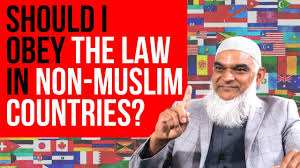
Islamic teachings generally require Muslims living in non-Muslim countries to obey the laws and authorities of the land as long as these rules do not force them to violate fundamental Islamic obligations or commit something explicitly forbidden (haram). This is based on the principle of fulfilling covenants and agreements.
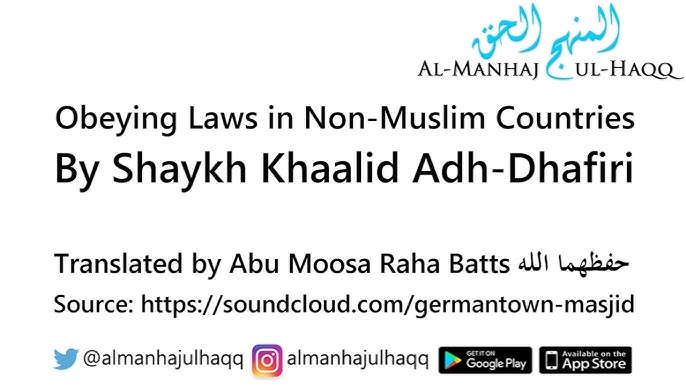
Key aspects of the Islamic teaching on this matter include:
- Fulfilling Covenants:
- When a Muslim enters a non-Muslim country, whether as a visitor, resident, or citizen, they are implicitly or explicitly agreeing to abide by that country’s laws (a form of covenant or a contract of mutual security).
- Breaking this covenant (treachery) is considered a serious sin in Islam. The Prophet Muhammad’s (PBUH) adherence to the terms of the Treaty of Hudaibiyyah, even when they seemed unfavorable, is cited as evidence for this principle.
- When a Muslim enters a non-Muslim country, whether as a visitor, resident, or citizen, they are implicitly or explicitly agreeing to abide by that country’s laws (a form of covenant or a contract of mutual security).
- Obedience to Authority:
- The Quranic verse (4:59) commands believers to
- “obey Allah and
- obey the Messenger
- and those in authority among you”.
- Muslim scholars universally interpret this as an explicit command to obey the local/governing authority, recognizing exceptions only if the law requires committing a severe sin (e.g., forcing them to drink alcohol or renounce their faith).
- The Quranic verse (4:59) commands believers to
- Conflict of Laws:
- No Conflict/Sharia Silent: If the secular law does not conflict with Sharia (e.g., traffic laws, public health guidelines), Muslims are obligated to follow the secular law.
- Conflict: If a law requires a Muslim to do something forbidden (haram) or prevents them from doing something obligatory (fard), the Islamic ruling takes precedence. In such cases, the individual should try to find a legal way around the issue (e.g., through legal processes or conscientious objection).
- Migration as an Option:
- If a Muslim cannot practice their basic religious obligations safely and freely in a non-Muslim country and all peaceful avenues for resolution are exhausted, then
- migration (hijra) to a country where they can practice their faith is an option
- and, in some interpretations, an obligation.
- If a Muslim cannot practice their basic religious obligations safely and freely in a non-Muslim country and all peaceful avenues for resolution are exhausted, then
- Civic Engagement: Modern Islamic jurisprudence for minorities (Fiqh al-Aqalliyyat) encourages Muslims to …
- integrate into their societies,
- participate in civic life (such as voting),
- and contribute to the public interest (maslahah), provided it does not compromise Islamic fundamentals. The goal is to balance religious observance with being a productive citizen and to foster peaceful coexistence.
- Avoiding Sedition: Islam strictly forbids actions that lead to corruption (mafsadah) or sedition and sectarian intolerance within society, emphasizing the importance of maintaining national peace and order.
- Acts of violence or terrorism against the host country are considered a violation of the covenant and thus forbidden.
၁၇/ မွတ်စလင်တွေကို သူတို့နေထိုင်ရာ ဘာသာခြားအစိုးရတွေရဲ့ ဥပဒေ စည်းကမ်း အမိန့်တွေကို လိုက်နာဖို့ ညွှန်ကြားထားပါသလား?
အစ္စလာမ်သာသနာရဲ့ သွန်သင်ချက်တွေအရ မွတ်စလင်မဟုတ်တဲ့ နိုင်ငံတွေမှာ နေထိုင်ကြတဲ့ မွတ်စလင်တွေဟာ အဲ့ဒိနိုင်ငံရဲ့ ဥပဒေတွေနဲ့ အမိန့်အာဏာတွေကို လိုက်နာဖို့ လိုအပ်ပါတယ်။
ဒါပေမဲ့စည်းမျဉ်းတွေက…
(က) အစ္စလာမ်ရဲ့ အခြေခံ တာဝန်ဝတ္တရားတွေ ‘ဖရပ်’ တာဝန်တွေကို ချိုးဖောက်ဖို့ ဒါမှမဟုတ်
(ခ) တိတိကျကျ တားမြစ်ထားတဲ့ ‘ဟာရမ်’ အရာတွေကို ပြုလုပ်ဖို့ အတင်းအကြပ် မပြုလုပ်သမျှ ကာလပတ်လုံး ဖြစ်ပါတယ်။
အဲဒါကြောင့် အထက်ပါအစ္စလာမ်ယုံကြည်ချက်တွေကို မထိပါးသမျှ ဘာသာခြားအစိုးရတွေရဲ့ ဥပဒေ စည်းကမ်း အမိန့်တွေကို လိုက်နာရန် ညွှန်ကြားထားရာမှာ ကိုယ်ကသဘောတူညီချက်ပြုပြီးတဲ့ စာချုပ်တွေကို ပြည့်စုံကာ လေးစားလိုက်နာရသကဲ့သို့ ဖြစ်တယ်လို့ တိကျစွာခံယူကြင့်သုံးရပါ့မယ်။အဲဒီ ကိစ္စနဲ့ ပတ်သက်တဲ့ အစ္စလာမ်သွန်သင်ချက်ရဲ့ အဓိက အချက်တွေက-
သဘောတူညီချက်တွေကို လိုက်နာဖို့တာဝန်
မွတ်စလင်တစ်ဦးဟာ…
- ဧည့်သည်၊
- ကြာရှည်နေထိုင်သူ (ပညာသင်၊ အလုပ်၊မှီခို) ဒါမှမဟုတ်
- နိုင်ငံသားအဖြစ်
မွတ်စလင်မဟုတ်တဲ့ နိုင်ငံတစ်ခုကို ဝင်ရောက်တဲ့အခါ…သူတို့ဟာ အဲဒီနိုင်ငံရဲ့ ဥပဒေတွေကို လိုက်နာဖို့ ‘သွယ်ဝိုက်’ ပြီးဖြစ်စေ ‘တိုက်ရိုက်တရားဝင်’ တိတိကျကျ သဘောတူထားတာ ဖြစ်ဖြစ် လက်မှတ်ထိုးမထိုးထား ရင်တောင် (သဘောတူညီချက် ဒါမှမဟုတ်အပြန်အလှန် လုံခြုံရေး စာချုပ်တစ်ခုရဲ့ ပုံစံ) သဘောတူလက်မှတ် ထိုးထားပြီးပြီလို့ အစ္စလမ် ဥပဒေကသတ်မှတ်ထားပါတယ်။
အဲဒီသဘောတူညီချက်ကို ချိုးဖောက်လိုက်တာကို သစ္စာဖောက်တာလို့သတ်မှတ်ပြီး၊ အစ္စလာမ်က ပြင်းထန်တဲ့ အပြစ်တစ်ခု အဖြစ် သတ်မှတ်ထားပါတယ်။
တမန်တော်မိုဟမ္မဒ် (ဆွ) က “ဟူဒိုင်ဗိယာဟ်စာချုပ်”သတ်မှတ်ချက်တွေကို လိုက်နာခဲ့တာဟာ၊ အဲဒိမူအတွက် အထောက်အထားအဖြစ် ကိုးကားနိုင်ပါတယ်။
အာဏာပိုင်တွေကို နာခံခြင်း:
ကုရ်အာန်ကျမ်းပိုဒ် (၄:၅၉) မှာ –
မွတ်စလင်တွေကို အောက်ပါ ပုဂ္ဂိုလ်သုံးဦးရဲ့ အမိန့်တွေကို နာခံကြလော့ဟု အမိန့်ပေးခဲ့သည်..
၁။ အလ္လာဟ်အသျှင်မြတ်အား နာခံကြလော့၊
၂။ ရစူလ်တမန်တော်မိုဟမ္မဒ် (ဆွ)အား နာခံကြလော့၊နဲ့
၃။ သင်တို့အထဲမှ အာဏာရှိသူတွေရဲ့အမိန့်တွေကို နာခံကြလော့။
မွတ်စလင် ပညာရှင်မျာတွေအားလုံးက အထက်ပါအမိန့်ကို ‘ဒေသဆိုင်ရာ အုပ်ချုပ်တဲ့ အာဏာပိုင်တွေကို နာခံဖို့ ပြတ်သားတဲ့ အမိန့်တစ်ခုအဖြစ်’ အဓိပ္ပာယ်ဖွင့်ဆိုကြပြီး၊
ခြွင်းချက်အဖြစ်-ဥပဒေတစ်ခုက အစ္စလာမ်ကိုဆန့်ကျင်သော ကြီးမားတဲ့ အပြစ်တစ်ခု ကျူးလွန်ဖို့ စေခိုင်းပါက (ဥပမာ- အရက်သောက်ဖို့ ဒါမမဟုတ် သူတို့ရဲ့ ဘာသာရေး ယုံကြည်ချက်ကို စွန့်လွှတ်ဖို့ အတင်းအကြပ် ပြုလုပ်တာ) ဆိုရင် လိုက်နာဖို့ တာဝန်မရှိဟု သဘောတူဆုံးဖြတ်ထားကြပါတယ်။
ဥပဒေတွေ ပဋိပက္ခဖြစ်ခြင်း-
အစ္စလာမ်ဥပဒေ (ရှရီအပ်) မှာ မပါပေမဲ့ လောကီဥပဒေဟာ အစ္စလာမ်ဥပဒေ ကိုမဆန့်ကျင် ပဋိပက္ခမဖြစ်ပါက (ဥပမာ- ယာဉ်သွားလာရေး ဥပဒေတွေ၊ အများပြည်သူ ကျန်းမာရေး လမ်းညွှန်ချက်တွေ၊ ရာဇဝတ်မှုကျင့်ထုံးဥပဒေ၊ဌာနဆိုင်ရာ ဝန်ထမ်းကျင့်ဝတ်။)၊ မွတ်စလင်တွေဟာ လောကီဥပဒေကို တိကျစွာလိုက်နာရန် တာဝန်ရှိကြပါတယ်။
အစ္စလာမ်ဥပဒေ (ရှရီအပ်) နဲ့ ဆန့်ကျင်ပဋိပက္ခဖြစ်နေပါက
လောကီဥပဒေတစ်ခုက မွတ်စလင်တစ်ဦးကို တားမြစ်ထားတဲ့
- ‘ဟာရမ်’ အရာတစ်ခုကို ပြုလုပ်ဖို့ လိုအပ်ပါက ဒါမှမဟုတ်
- မဖြစ်မနေ ‘ဖာရ်ဒ်’ လုပ်ရမဲ့ အရာကို မလုပ်ဖို့ တားဆီးပါက၊
အစ္စလာမ်ရဲ့ စီရင်ချက်ကိုသာ ဦးစားပေးရမှာဖြစ်ပါတယ်။
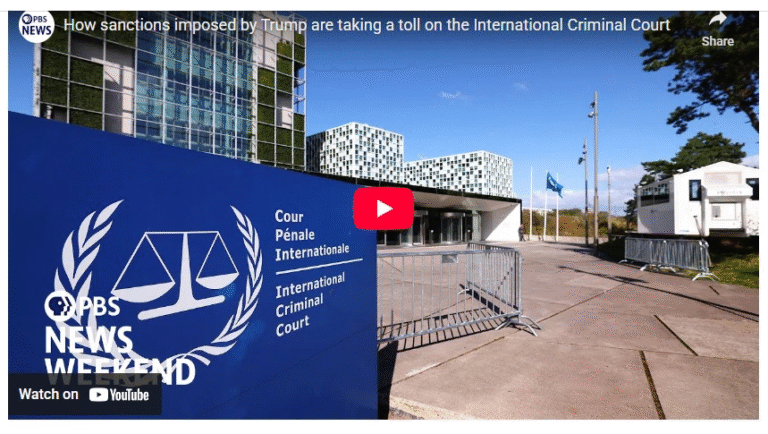
အဲဒီလို ကိစ္စတွေမှာ၊ တစ်ဦးချင်း ကိစ္စတခုချင်းရဲ့ ပြဿနာကို ဖြေရှင်းဖို့ တရားဝင် နည်းလမ်းတစ်ခု ရှာဖွေဖို့ ကြိုးစားသင့်ပါတယ် (ဥပမာ- ဥပဒေအရ ဆန့်ကျင်ကန့်ကွက်တာ အမျိုးမျိုး- လွှတ်တော်၊ တရားရုံး၊ သတင်းစာ၊ မီဒီယာမျိုးစုံ၊ လမ်းပေါ်ထွက် ဆန္ဒပြတာ၊ အာဏာဖီဆန်တာ၊ နိုင်ငံတကာကိုလှုံ့ဆော်တာ၊ ကုလသမဂ္ဂ၊ အိုင်စီစီ၊ အိုင်စီဂျေ စသဖြင့်) ။
နိုင်ငံရွှေ့ပြောင်းနေထိုင်ဖို့ စဉ်းစားနိုင်ပါတယ်။
မွတ်စလင်တစ်ဦးဟာ ဘာသာခြားနိုင်ငံမှာ သူတို့ရဲ့အခြေခံ ဘာသာရေးဆိုင်ရာ တာဝန်ဝတ္တရားတွေကို ဘေးကင်း လွတ်လပ်စွာ မကျင့်သုံးနိုင်တဲ့အပြင်၊ ငြိမ်းချမ်းတဲ့ ဖြေရှင်းနည်းတွေ အားလုံး မအောင်မြင်ပါက-
သူတို့ရဲ့ ယုံကြည်ချက်ကို ကျင့်သုံးနိုင်တဲ့ နိုင်ငံတစ်ခုသို့ ရွှေ့ပြောင်းတာ (ဟိဂျ်ရာ) ပြုဖို့စဉ်းစားနိုင်ပါတယ်။ စူရာ အန်-နီစာ ၄း၉၇-၁၀၀
အချို့သော ပညာရှင်တွေအဆိုအရ၊ နိုင်ငံတစ်ခုကို ရွှေ့ပြောင်းတာဟာ (ဟိဂျ်ရာ) ရဲ့တာဝန်ဝတ္တရားတစ်ခု ပင်ဖြစ်ပါတယ်။ (ယ္ခုခေတ်က တရားဝင်ပြောင်းရွှေ့ဖို့ ဗီဇာ သို့မဟုတ် ဒုက္ခသည်အဖြစ် နေခွင့်ရရန် မလွယ်လှပါ။)
လူနည်းစုမွတ်စလင်တွေကို ဘာသာခြားနိုင်ငံ၏တာဝန်ကို ထမ်းဆောင်ဖို့ အားပေးညွှန်ကြားထားပါတယ်–
အစ္စလာမ် ဥပဒေပညာမှာ လူနည်းစုမွတ်စလင်တွေအတွက် သူတို့နေထိုင်ရာ ဘာသာခြားနိုင်ငံရဲ့ လူ့အဖွဲ့အစည်းတွေမှာ ပူးပေါင်းပါဝင်လုပ်ဆောင်ဖို့ လမ်းညွှန်ထားပါတယ်။
- နိုင်ငံသား တာဝန်ဝတ္တရားတွေမှာ ပူးပေါင်းပါဝင်ဆောင်ရွက်ဖို့ (ဥပမာ- မဲပေးတာ၊ အရွေးခံတာ၊ စစ်မှုထမ်းတာ)၊နဲ့
- အများပြည်သူ အကျိုးစီးပွားအတွက် ပံ့ပိုးကူညီဖို့၊ (အစ္စလာမ်ရဲ့ အခြေခံတွေကို မထိခိုက်စေဘဲ ပြုလုပ်ဖို့)
ရည်ရွယ်ချက်က ဘာသာရေးနဲ့ နိုင်ငံသားတာဝန်ကျေပွန်တာကို
- ဟန်ချက်ညီစေဖို့ နှင့်
- ငြိမ်းချမ်းစွာ အတူယှဉ်တွဲနေထိုင်မှုကို မြှင့်တင်ရန် ဖြစ်ပါတယ်။
ပဋိပက္ခရန်ဖြစ်ခြင်းကို ရှောင်ကြဉ်ခြင်း
အစ္စလာမ်ဟာ လူ့အဖွဲ့အစည်းအတွင်း-
- အကျင့်ပျက်ခြစားမှု
- ပဋိပက္ခဖြစ်မှုနဲ့
- ဂိုဏ်းဂဏကွဲမှု
- သည်းမခံမှုတို့ကို
တင်းကြပ်စွာ တားမြစ်ပြီး၊
နိုင်ငံ –
- ငြိမ်းချမ်းရေးနဲ့
- တရားဥပဒေစိုးမိုးရေးကို
ထိန်းသိမ်းဖို့အရေးကြီးမှုကို အလေးပေးပါတယ်။
အိမ်ရှင်နိုင်ငံကို ဆန့်ကျင်တဲ့ အကြမ်းဖက်တာ ဒါမှမဟုတ် အကြမ်းဖက်လုပ်ရပ်တွေဟာ ကိုယ့်ကို နေခွင့်ပြုတဲ့ နိုင်ငံနဲ့ သဘောတူညီချက်ကို ချိုးဖောက်တာ ဖြစ်တာကြောင့် တားမြစ်ထားတယ်လို့ သတ်မှတ်ပါတယ်။
အဓိက အတိုချုပ်တော့ပြောပြီးပြီ၊ နည်းနည်း အသေးစိပ်ထပ်ပြီး အကျယ်ချဲ့ရမယ် ဆိုရင်တော့-
မွတ်စလင်တွေကို အစ္စလမ်က ဘာသင်ထားသလဲဆိုတော့ ဘာသာခြားနိုင်ငံတွေမှာနေတယ် ဆိုရင် ဒါမှမဟုတ်ကိုယ့်နိုင်ငံကအပ တခြားမွတ်စလင် နိုင်ငံတွေမှာနေတယ်ဆိုလို့ရှိရင် အဲ့ဒီနိုင်ငံတွေက ချမှတ်ထားတဲ့ ဉပဒေတွေကို လေးစားလိုက်နာရမယ်။
မွတ်စလင် မဟုတ်တဲ့နိုင်ငံတွေမှာ နေမယ်ဆိုရင် ထုတ်ပြန်ထားတဲ့ ဉပဒေ တွေကို ရေဘူယအားဖြင့် လိုက်နာ ရမယ်။ သူများနိုင်ငံ ဘာသာခြားအုပ်ချုပ်တဲ့နိုင်ငံမှာ လာနေတယ် သူတို့တတွေရဲ့ အမိန့်တွေကို လေးစားလိုက်နာရမယ်။
ချွင်းချက်ကဘာလဲဆိုတော့- အစ္စလမ်ဘာသာရေးအခြေခံ လုပ်ငန်းစဉ်တွေဖြစ်တဲ့ တနေ့ဘုရား (၅)ကြိမ်ဝတ်ပြုရ မှာ၊ သောကြာနေ့(ဂျွန်မာ)ဖတ်ရမှာ၊ အစ်နေ့ဝတ်ပြုရမှာ၊ ရိုဇာ ဥပုဒ်ဆောင့်ထိန်းတာ အဲ့လိုမျိုးလုပ်ရမယ့်အလုပ် တွေကို မလုပ်ဖို့တားရင်၊ မတရားတဲ့အမိန့်အာဏာဟူသမျှကို အစ္စလမ့် တာဝန်အရ ‘တော်လှန်ကြ’ ပေါ့ဗျာ။
တရုတ်ပြည် ဇင်ကျန်ပြည်နယ်မှာလုပ်သလိုမျိုးပေါ့ ပလီတွေကို ပိတ်တယ် အဲ့လိုပိတ်တော့လမ်းပေါ်တွေမှာ ဖတ်တယ် အိမ်တွေထဲ မှာ ဖတ်တယ်။ တရုတ်ပြည်ကတော့ အဲလိုမဖတ်ဖို့ ၊ ဆိုင်းဘုတ်ကြီးနဲ့ကို လာတားတာ။ အစိုးရကျောင်းတွေနား အစိုးရရုံးတွေနားမှာဆိုရင် ‘ဘာသာရေးကြောင့်’ လူတွေအကျင့်ပျက်မှာကြောက်လို့ ပလီမသွားရဘူး။ မုတ်ဆိတ်မထားရဘူးလို့ တရုပ်အစိုးရက အမိန့်ထုတ်တယ်။ ရမ်မဇန်ဥပုဒ်လမှာ ရိုဇာ ဥပုဒ် စောင့်နေကြတယ်ဆိုရင် နေ့လည်စာကို စားရမယ်လို့ ဇွတ်အတင်းကျွေးတာတို့၊ အရက်ကိုဇွတ်တိုက်တာတို့၊ အဲ့ဒါ မျိုး တွေဖြစ်လာတယ်။
- ပထမအဆင့်အနေနဲ့ လုပ်ရမဲ့ဟာကို မလုပ်ရအောင်တားတယ်
- ဒုတိယအဆင့်က မလုပ်ရမဲ့ဟာကို လုပ်ရအောင်ဖိအားပေး၊ အမိန့်ပေး၊ စေခိုင်းတယ်ဆိုရင်၊ စားလိုက်ရင် အပြစ်ဖြစ်မဲ့ ဟာတွေကို စားခိုင်းရင်…
အဲ့ဒီနှစ်ခုကို နားထောင်ပြီးလိုက်နာပေးစရာမလိုဘူး။
ကျန်တဲ့ အစ္စလာမ်မဆန့်ကျင်တဲ့ ဥပဒေ စည်းကမ်းတွေကိုတော့ လိုက်နာပေးရမယ်။
မွတ်စလင်တစ်ယောက်ဟာ တ ခြား နိုင်ငံတခုတည်းကို ဝင်သွားလိုက်ရင်၊ ဗီဇာယူပြီးဝင်သွားတယ် ပါမစ်နဲ့ ဗီဇာနဲ့ဝင်သွားတယ်ဆိုရင်၊ အလည်သွားတာပဲ ဖြစ်ဖြစ် ဂရင်းကဒ်နဲ့ သွားတာပဲဖြစ်ဖြစ် နိုင်ငံသားအနေနဲ့ ဖြစ်ဖြစ်ဝင်သွားတယ်ဆိုရင်… သွယ်ဝိုက်ပြီးတော့ တရားဝင် လက်မှတ်ထိုးသဘောတူတာဖြစ်ဖြစ် ဒါမှမဟုတ်ရင် ဘာသဘောတူညီချက်မှမရှိစေကာမူ မွတ်စလင်တစ်ယောက်အနေနဲ့ သူတို့နိုင်ငံရဲ ဉပဒေကိုလိုက်နာပါ့မယ် ဆိုတဲ့ ခံဝန်ချက်နဲ့ ဝင်ရတယ်လို့ အစ္စလာမ် ကသတ်မှတ်ထား တယ်။
အဲ့ဒါက နှစ်ဉီးနှစ်ဖက်စလုံးအတွက် လုံခြုံ မှုအတွက်ပြောထားတာ။ တချို့နိုင်ငံတွေကဆိုရင် မွတ်စလင်ကို လက်သင့်မခံဘူး။ အဲ့တော့ သူတို့နိုင်ငံထဲကိုဝင်သွားရင် ငါလုပ်ချင်ရာလုပ်မယ်ဆိုလို့ မရဘူးလေ။ သူတို့နိုင်ငံရဲ့ ဉပဒေကိုလိုက်နာရမယ်။ အဲ့ဒါကို သဘောတူတူ မတူတူ၊ ဖောက်ဖျက်တယ်ဆိုရင် အဲဒါသစ္စာဖောက်ပဲ။ အဲ့ဒါကိုလည်း အစ္စလာမ်က ဘာသာရေးအရ သစ္စာဖောက်မှုလို့ သတ်မှတ်ထားတယ်။ သူနိုင်ငံထဲကို ဝင်ဖို့ သူသတ်မှတ် ထားတာတွေကို ကိုယ် ကသဘောတူဝင်ရောက်ပြီး အထဲရောက်မှ ကိုယ်လုပ်ချင်ရာလုပ်မယ် ဆိုရင် အဲဒါသူ့နိုင်ငံကို သစ္စာဖောက်တာပဲလို့ပြောထားတယ်။ တမန်တော်မြတ်ကလည်း ကြိုက်ကြိုက် မကြိုက်ကြိုက် ဘာသာခြားတွေအတွက် ဉပဒေထုတ်ထားတာ။ သူတို့ထုတ်ထားတဲ့ အမိန့်အာဏာ ဟူသမျှတွေကို လက်သင့်ခံရမယ်တဲ့ လိုက်နာရ မယ်တဲ့။
ကွန်ရ်အန် (၄း၅၉) မှာဘာပါသလဲဆိုတော့-
အလ္လာဟ်အသျှင်မြတ်စကားကို နားထောင်ရမယ်။
တမန်တော်မြတ်ရဲ့ စကားကိုနားထောင်ရမယ်။
အစိုးရ အဖွဲ့အစည်းအသီးသီက ထုတ်ပြန်လာတဲ့ ဉပဒေတွေကို လိုက်နာ ရမယ်။ အစ္စလမ်ဥပဒေ (ရှရီအပ်) ကိုမဆန့်ကျင်တဲ့ ဉပဒေတွေတော့ လိုက်နာရမယ်။ အဲ့ဒါက မလုပ်မနေရတာဝန်ဖြစ်တယ်။
တရားတော်က သတ်မှတ်ပြဌာန်းတာတွေနဲ့ဆန့်ကျင်တယ်ဆိုရင်တော့-အဲ့ဒီဒေသက ပြောင်း ရွှေ့ သွားသင့်ရင်သွားဖို့ပြင်ဆင်ရမယ်။ အဲ့ဒါမျိုး တမန်တော်မြတ်လက်ထက်တော်မှာ မွတ်စလင်တွေ ရွှေ့ပြောင်းနေထိုင်ကြတာကြောင့်( ဟစ်ဂျရီ) ဆိုတာဖြစ်လာတာ။ အစလာမ့် ပြက္ခဒိန် ဆိုတာဖြစ်လာတာ။ တခါတရံ ပြောင်းရွှေ့ဖို့ အခြေအနေမပေးဘူးဆိုတဲ့အခါမှာ ကိုယ်က သီးခြားနေနေလို့ မဖြစ်ဘူး။ အဲ့ဒီအခါကြရင် ကိုယ့်ပတ်ဝန်းကျင်ထဲက လူတွေနဲ့ တည့်အောင်ပေါင်းပါ။ သူတို့လုပ်နေတဲ့ လုပ်ငန်းတွေမှာ ပူး ပေါင်းပါ ဝင်လိုက်ပါ။ ကူညီစရာရှိတာကို ကူညီပေးလိုက်ပါ။
တမန်တော်မြတ် ပြောခဲ့တာရှိတယ် “အစွန်းမရောက်စေနဲ့တဲ့” မွတ်စလင်တွေအနေနဲ့ အခြားဘာသာဝင်တွေရဲ့ အလှူတွေမင်္ဂလာပွဲတွေ စရှိတဲ့ လူမှု့ရေးလုပ်ငန်းတွေမှာ ပါဝင်ပြီးလုပ်ပေးပါ။ ဘာသာရေးမှာ အစွန်းရောက်မှုမရှိဘူးဆိုရင်ပြီးတာဘဲ။ အစ္စလမ်ကပြောထားတာက တုပနိုင်းယှဉ် ပြီးကိုး ကွယ် တာမျိုးမလုပ်ရင် ပြီးတာပဲ။ အစ္စလာမ်ရဲ့ အခြေခံစည်းမျဥ်းတွေကို မဆန့်ကျင်ဘူးဆိုရင် အတော် အသင့် ဟာတွေကို အများနည်းတူ လုပ်ကိုင်ဖို့လိုတယ်။
အစ္စလာမ်ရဲ့ အခြေခံစည်းမျဥ်းတွေကို မဆန့်ကျင်ဘူးဆိုရင် နိုင်ငံကို သစ္စာဖောက်ပြီးတော့တော်လှန်ဖို့လုပ်တဲ့ ကိစ္စတွေကို မလုပ်ရဘူး။ အကုန်လုံးကို လိုက်ပြီးဆန့်ကျင်လို့မရဘူး။ နိုင်ငံတော်တည်ငြိမ်ရေးနဲ့ နိုင်ငံတော်လုံခြုံ ရေး၊ ဥပဒေစိုးမိုးရေးအတွက် ကတော့ လိုက်နာမှု့တွေရှိရမယ်။ မွတ်စလင် မဟုတ်တဲ့ နိုင်ငံကိုရောက်သွားရင်လည်း အဲဒီနိုင်ငံမှာ အကြမ်းဖက်လုပ်ငန်းတွေမလုပ်ဖို့အရေးကြီးတယ်။ သူနိုင်ငံထဲကို ဝင်သွားပြီးကတည်းကို အဲ့ဒီနိုင်ငံရဲ့ စည်းမျဉ်း ဉပဒေတွေ ကိုလိုက်နာပါ့မယ် ပြောထားပြီးသလိုဖြစ်ပြီးမှ ဥပဒေတွေကို ချိုးဖေါက်လို့မရဘူး။ ဆန်ကျင့်ဘက်အလုပ်တွေမလုပ်ရဘူးလို့ အစ္စလာမ် ဘာသာက ဆုံးမထားပါတယ်။