Here is a gist of the most important teachings of Prophet Muhammad (Sallallahu ‘Alaihi Wasallam) for Muslims. These are universally accepted principles found throughout the Qur’an and Sunnah, without sectarian interpretation:
1. Tawhid (Oneness of Allah)
- Worship Allah alone with sincerity.
- Avoid associating anything with Him.
- Keep your heart connected to Allah in all actions.
2. Good Character (Akhlaq)
The Prophet PBUH said he was sent “to perfect noble character.”
Key qualities:
- Honesty
- Trustworthiness
- Patience
- Humility
- Forgiveness
- Kindness to all, even enemies
3. Justice and Fairness
- Stand for justice even against yourself or your own family.
- Never oppress, cheat, or take advantage of anyone.
- Treat people according to their rights, regardless of religion or ethnicity.
4. Mercy and Compassion
- The Prophet PBUH was “a mercy to all worlds.”
- Show mercy to the weak, the poor, children, animals, and the environment.
- Never use harshness when kindness can achieve better results.
5. Avoid Harm
- “A Muslim is one from whose tongue and hands others are safe.”
- Don’t harm anyone physically, emotionally, or socially.
- Avoid backbiting, slander, malice, and hatred.
6. Honoring Parents and Family
- After worshipping Allah, goodness to parents is the most emphasized duty.
- Maintain family ties, even when relatives are difficult.
7. Brotherhood and Community
- The Muslim ummah is like one body.
- Help those in need, visit the sick, feed the hungry.
- Remove difficulties from others and Allah will remove yours.
8. Moderation in All Things
- Religion should not be practiced with extremes.
- The Prophet PBUH discouraged excessive harshness, over-worship, or moral rigidity.
- Balance worldly life with worship.
9. Accountability and Sincerity
- Every action is judged by intention.
- Do good deeds sincerely for Allah, not for praise or status.
10. Truth and Integrity
- Fulfill promises.
- Keep trusts.
- Speak truth even when difficult.
11. Respect and Dignity for All Humans
- All humans are equal in dignity.
- No superiority by race, nationality, or tribe—only by piety.
- Treat non-Muslims kindly and fairly.
12. Peace and Reconciliation
- The Prophet PBUH encouraged settling disputes peacefully.
- Forgiveness is better than revenge.
- War is a last resort, strictly regulated, and never for power or aggression.
13. Care for the Poor and Vulnerable
- Give charity regularly.
- Share food even if little.
- The strong must protect the weak.
14. Seeking Knowledge
- Seeking beneficial knowledge is a duty.
- Islam encourages learning in all fields—religion, science, medicine, law, etc.
15. Gratitude and Contentment
- Be grateful for blessings.
- Avoid greed, jealousy, and envy.
- Contentment is true wealth.
၁၅/တမန်တော်မိုဟမ္မဒ် (ငြိမ်းချမ်းမှုအပေါင်း သူ့အပေါ် ကျရောက်ပါစေ)ရဲ့
အရေးကြီးတဲ့ဆုံးမသြဝါဒ သွန်သင်ချက်
တမန်တော်မိုဟမ္မဒ် (ငြိမ်းချမ်းမှုအပေါင်း သူ့အပေါ် ကျရောက်ပါစေ)ရဲ့ အရေးအကြီးဆုံး သွန်သင်ချက်တွေ အကျဉ်းချုပ်ကိုတင်ပြလိုပါတယ်။ အဲ့ဒီအချက်တွေဟာ ကုရ်အာန်နဲ့ တမန်တော်ရဲ့ကျင့်စဉ်တွေအနက် အများလက်ခံထားတဲ့ အခြေခံမူတွေဖြစ်ပြီး ဂိုဏ်းဂဏစုံမှာ အဓိပ္ပာယ်အဖွင့်ကွဲလွဲကြတာ သိပ်မရှိလှပါ။
၁။ တောင်ဟိဒ် (အလ္လာဟ် တစ်ပါးတည်းအဖြစ်တည်ရှိခြင်း)
- အလ္လာဟ်အသျှင်မြတ် တစ်ပါးတည်းကို ရိုးသားစွာနဲ့ ကိုးကွယ်ပါ။
- အလ္လာဟ်အသျှင်မြတ် နဲ့ဘယ်အရာကိုမှ မတွဲဖက်ပါနဲ့။
- သင့် လုပ်ဆောင်ချက်အားလုံးရဲ့ နှလုံးသားကိုအလ္လာဟ်အသျှင်မြတ်ကို အမြဲအောက်မေ့သတိရပါ။
၂။ ကောင်းမွန်သော အကျင့်စရိုက် (အခ်လာက်)
တမန်တော်မိုဟမ္မဒ် (ငြိမ်းချမ်းမှုအပေါင်း သူ့အပေါ် ကျရောက်ပါစေ)က လူသားတို့ကို “မြင့်မြတ်တဲ့ အကျင့်စရိုက်ကို ပြည့်စုံအောင် သွန်သင်ဖို့“ စေလွှတ်ခြင်းခံရတယ်လို့ ဆိုခဲ့ပါတယ်။
အဲ့ဒီမြင့်မြတ်တဲ့ အကျင့်စရိုက် အရည်အသွေးများမှာ-
- ရိုးသားမှု
- ယုံကြည်စိတ်ချရမှု
- စိတ်ရှည်မှု
- နှိမ့်ချမှု
- ခွင့်လွှတ်ခြင်း
- ရန်သူတွေအပါအဝင် လူသားအားလုံးအပေါ် ကြင်နာမှု
၃။ တရားမျှတမှုနဲ့ ကိုယ်ချင်းစာမျှတမှု
- သင်ကိုယ်တိုင်ကို ဒါမှမဟုတ် သင့်မိသားစုကိုပင် ဆန့်ကျင်နေသော်လည်း တရားမျှတမှုဘက်က ရပ်တည်ပါ။
- ဘယ်သူ့ကိုမှ ဖိနှိပ်တာ၊ လှည့်ဖြားတာ ဒါမှမဟုတ် အခွင့်ကောင်းယူလိုက်တာတွေ မပြုပါနဲ့။
- လူတိုင်းကို လူမျိုးဘာသာ မခွဲခြားပဲ သူတို့ရထိုက်တဲ့ အခွင့်အရေးတွေအတိုင်း ဆက်ဆံပါ။
၄။ ကရုဏာနဲ့ သနားကြင်နာမှု
- တမန်တော်မိုဟမ္မဒ် (ငြိမ်းချမ်းမှုအပေါင်း သူ့အပေါ် ကျရောက်ပါစေ) ဟာ “ဝေနေရာ သတ္တဝါ ကမ္ဘာသားအားလုံးအတွက် ကရုဏာတော်” ဖြစ်တော်မူတယ်။
- အားနည်းသူတွေ၊ ဆင်းရဲသားတွေ၊ ကလေးတွေ၊ တိရစ္ဆာန်တွေနဲ့ ပတ်ဝန်းကျင်ကို ကရုဏာပြပါ။
- နူးညံ့ကြင်နာမှုက ပိုမိုကောင်းမွန်တဲ့ ရလာဒ်တွေကို ရရှိနိုင်တဲ့အတွက်ရက်စက်ကြမ်းတမ်းမှုတွေကို မပြုလုပ်ပါနဲ့။
၅။ ဘေးအန္တရာယ်ကိုရှောင်ကြဉ်ပါ
- “မွတ်စလင်တွေရဲ့ လျှာနဲ့ လက်တွေက အခြားသူတွေကို ဘေးအန္တရာယ်မဖြစ်စေရ။”
- ဘယ်သူ့ကိုမှ ရုပ်ပိုင်း၊ စိတ်ပိုင်း ဒါမှမဟုတ် လူမှုရေး အန္တရာယ် မပြုပါနဲ့။
- နောက်ကွယ် အတင်းပြောတာ၊ အသရေဖျက်တာ၊ မုန်းတီးမှုနဲ့ အငြိုးထားတာကို ရှောင်ကြဉ်ပါ။
၆။ မိဘနဲ့မိသားစုကို ဂုဏ်ပြု စောင့်ရှောက်ပါ
- အလ္လာဟ်ကို ရှိခိုးကိုးကွယ်ပြီးနောက်မှာ မိဘတွေကို ကောင်းမွန်စွာပြုစု ဆက်ဆံတာဟာ အမြင့်မြတ်ဆုံး တာဝန်ဖြစ်ပါတယ်။
- ဆွေမျိုးတွေ ဒုက္ခပေးရင်တောင် ဆွေမျိုးအဆက် မဖြတ်ရ။
- အခြားသူတွေရဲ့ အခက်အခဲတွေကို ကူညီပေးပါက အလ္လာဟ်အရှင်မြတ်ကသင့် အခက်အခဲတွေကို ဖယ်ရှားပေးတော်မူလိမ့်မယ်။
၇။ ညီရင်းအစ်ကိုစိတ်ဓာတ်မှုနဲ့ လူမှုအသိုင်းအဝိုင်း
- မွတ်စလင်တွေ အချင်းချင်း ညီရင်းအစ်ကိုစိတ်ဓာတ်နဲ့ စည်းလုံးညီညွတ်ကြရမှဖြစ်ပါတယ်။
- လိုအပ်သူတွေ ကူညီပါ၊
- နာမကျန်းသူတွေကို သွားရောက်ကြည့်ရှုပါ၊
- ဆာလောင်သူတွေကို ကျွေးမွေးပါ။
၈။ အရာရာမှာ မဇ္ဈိမပဋိပဒါ အလယ်အလတ်တရားကို ကျင့်သုံးပါ
- ဘာသာတရားကို အစွန်းရောက်အေင်မကျင့်သုံးရ။
- တမန်တော်မိုဟမ္မဒ် (ငြိမ်းချမ်းမှုအပေါင်း သူ့အပေါ် ကျရောက်ပါစေ)က အလွန်အကျွံပြင်းထန်စွာ တရားကျင့်မှု ဒါမှမဟုတ် ကိုယ်ကျင့်တရား တွေအလွန်တင်းကျပ်ထားတာတွေကို တားမြစ်ခဲ့ပါတယ်။
- လောကီဘဝနဲ့ ဘာသာရေးလိုက်စားမှုတွေကို ဟန်ချက်ညီအောင် ပြုပါ။
၉။ တာဝန်ခံမှု တာဝန်ယူမှု နဲ့ ရိုးသားမှု
လုပ်ဆောင်ချက်တိုင်းမှာ ရည်ရွယ်ချက်ကို သာအလ္လာဟ်အသျှင်မြတ်က ကြည့်တော်မူပါတယ်။
- ချီးမွမ်းခံရယူလိုတာ ဒါမှမဟုတ် ဂုဏ်ပကာသန ပြစားဖို့အတွက် မဟုတ်ဘဲ အလ္လာဟ်အသျှင်မြတ် အတွက်သာ ရိုးသားစွာ ကောင်းမှုတွေ ပြုလုပ်ပါ။
၁၀။ အမှန်တရား သစ္စာနဲ့ သမာဓိ
- ကတိ တည်ပါ။
- ယုံကြည်မှုကို ထိန်းသိမ်းပါ။
- ခက်ခဲလာရင်လည်း အမှန်တရားကိုသာ ပြောပါ။
၁၁။ လူသားအားလုံးကို လေးစားမှုနဲ့ ဂုဏ်သိက္ခာပေးပါ
- လူသားအားလုံးရဲ့ ဂုဏ်သိက္ခာဟာ တန်းတူညီမျှဖြစ်ပါတယ်။
- လူမျိုး၊ နိုင်ငံသား ဒါမှမဟုတ် လူမျိုးစုအရ ဘယ်သူတဦးတယောက်မှ သာလွန်မှု မရှိပါ—ဘာသာတရားလိုက်နာမှု ကိုယ်ကျင့်တရားအရသာ ကွာခြားကြပါတယ်။
- မွတ်စလင်မဟုတ်သူတွေကိုလည်း ကြင်နာစွာနဲ့၊ တရားမျှတစွာ ဆက်ဆံပါ။
၁၂။ ငြိမ်းချမ်းရေးနဲ့ပြန်လည်သင့်မြတ်ရေး / ရင်ကြားစေ့ရေး
- တမန်တော်မိုဟမ္မဒ် (ငြိမ်းချမ်းမှုအပေါင်း သူ့အပေါ် ကျရောက်ပါစေ)က အငြင်းပွားတာတွေ ကို ငြိမ်းချမ်းစွာ ဖြေရှင်းဖို့ တိုက်တွန်းခဲ့ပါတယ်။
- လက်စားချေတာတွေထက် ခွင့်လွှတ်လိုက်တာကက ပိုကောင်းပါတယ်။
- စစ်ပွဲလုပ်ရပြီဆိုတာဟာ နောက်ဆုံးရွေးရမယ့်နည်းလမ်းဖြစ်ပြီး၊
- တရားသောစစ်ဖြစ်ရမည်။
- စစ်ပွဲရင်ဆိုင်တွေ့ဆုံရာမှာ၊ စည်းကမ်းတင်းကြပ်စွာ ထိန်းချုပ်ထားရမည်။
- အာဏာ ဒါမှမဟုတ် ရန်လိုမှုအတွက် မဟုတ်တဲ့ စစ်ပွဲဖြစ်ရပါ့မယ်။
၁၃။ ဆင်းရဲသားတွေနဲ့ အကာအကွယ်မဲ့တဲ့ အားနည်းသူတွေကို ဂရုစိုက်ခြင်း
- ပုံမှန်အကူအညီ အထောက်အပံ့ပေးပါ။
- အနည်းငယ်မျှရှိရင်ပင် အစားအစာ မျှဝေစားသောက်ပါ။
- အားကောင်းသူတွေက အားနည်းသူတွေကို ကာကွယ်ရပါ့မယ်။
၁၄။ အသိပညာရှာဖွေခြင်း
- အကျိုးရှိတဲ့ အသိပညာရှာဖွေတာဟာ တာဝန်တရပ်ဖြစ်ပါတယ်။
- အစ္စလာမ်က ပညာရပ်တွေကိုနယ်ပယ်အစုံမှာ သင်ယူမှုကို အားပေးပါတယ်။ ဥပမာ- ဘာသာရေး၊ သိပ္ပံ၊ ဆေးပညာ၊ ဥပဒေ စတာတွေပေါ့။
- ပုခက်ထဲမှ သင်္ချိုင်းထိ ပညာရှာပါ။
- ပညာရှာရန် (လိုအပ်လျင်) တရုပ်ပြည်အထိ သွားပါ။
၁၅။ ကျေးဇူးတင်တာနဲ့ စိတ်ရောင့်ရဲမှု
- အလ္လာဟ်အသျှင်မြတ်ရဲ့ ကောင်းချီးတွေအတွက် ကျေးဇူးတင်ပါ။
- လောဘ၊ မနာလိုစိတ်၊ မလိုမုန်းထား သဝန်တိုတာတွေကို ရှောင်ကြဉ်ပါ။
- စိတ်ရောင့်ရဲမှုဟာ စစ်မှန်တဲ့ စည်းစိမ်ဖြစ်ပါတယ်။
ဟုတ်ကဲ့ ဒါတွေကတော့ အဓိက အကျဥ်းချုပ်ပေါ့ဗျာ။ နည်းနည်းလောက် ပြန်အကျယ်ချဲ့ပြီးရှင်းပြခွင့်ပြုပါ။
၁။ တောင်ဟိဒ် ဆိုတာ အလ္လာဟ်အသျှင်မြတ် တစ်ပါးတည်းအဖြစ်တည်ရှိတာကိုလက်သင့်ခံရမယ်
အလ္လာဟ်အသျှင်မြတ် တစ်ပါးတည်းကို ပဲ လက်သင့်ခံရမယ်။ အလ္လာဟ်အသျှင်မြတ်နဲ့ အခြားအရာ ဘုရားတွေကို တုပနိုင်းယှဉ်ပြီး ကိုးကွယ်လို့မရဘူး။
သင့် လုပ်ဆောင်ချက်အားလုံးမှာ ဦးနှောက်နဲ့ နှလုံးသားကိုအလ္လာဟ်အသျှင်မြတ်နဲ့ အမြဲတန်းဆက်သွယ်နေရမယ် အမြဲအောက်မေ့သတိရနေရပါမယ်။ ဒါကို အလ္လာဟ်အသျှင်မြတ် ကြိုက်ပါ့မလား ဒါကမှန်ပါ့မလား အမြဲတန်းစမ်းစစ် ကြည့်နေရမယ်။
၂။ ကောင်းမွန်တဲ့ အကျင့်စရိုက် (အခ်လာက်)
တမန်တော်မိုဟမ္မဒ် (ငြိမ်းချမ်းမှုအပေါင်း သူ့အပေါ် ကျရောက်ပါစေ)ကို လူသားတို့အား “မြင့်မြတ်တဲ့ အကျင့်စရိုက်ကို ပြည့်စုံအောင် သွန်သင်ဖို့” အလ္လာဟ် ကစေလွှတ်ခဲ့ပါတယ်။
- ဒါ့ကြောင့် မွတ်စလင်တွေဟာကောင်းမွန်တဲ့ အကျင့်စာရိတ္တ ရှိရမယ်။
- လူဆိုး လူပေလူမိုက်တွေဖြစ်နေရင် ဘယ်သူက အစ္စလာမ်ဘာသာဝင်ကောင်းဖြစ်မှာလည်း?
- မွတ်စလင်တွေက လူလိမ်လူကောက်တွေ ဖြစ်နေတယ် ဆိုရင် အစ္စလာမ်ကို ဘယ်သူက ယုံမှာလည်း?
- မွတ်စလင်တွေက အလေးခိုးတယ်၊ လိမ်ညာတယ်
- ရွှေတွေကို အတုလုပ်ပြီး ရောင်းလိုက်တယ်၊ ကျောက်အတုထည့် ပေးလိုက်တာတို့၊ ကျောက်မျက်ရတနာကို မီးဖုတ်ပြီး အပစ်လွယ်လွယ်မမြင်အောင်လုပ်ထားပေးလိုက်တယ်တို့
အဲ့လို လိမ်ညာတာတွေဆို ဘယ်ကောင်းမလဲ။ ရှေးက သာဝကြီးတွေ ဆိုရင် အပြစ်အနာအစာ ရှိနေရင်တောင် အရင်ဆုံး အဲ့ဒီအနာကိုပြပြီးမှရောင်းတယ်။
မြင့်မြတ်တဲ့ အကျင့်စာရိတတွေရှိဖို့ကဘာလဲ?
- ရိုးသာမှု မှန်ကန်မှု ရှိရမယ်
- ရုံကြည်စိတ်ချမှု နဲ့ ထိုက်တန်တဲ့ လူဖြစ် ရမယ်
- စိတ်ရှည်မှု ရှိရမယ်
- နှိမ်ချပြီး ဆက်ဆံနေထိုင်ရမယ်
- ရန်လိုတာ ဂလဲ့စား ချေတာမျိုး မလုပ်ရဘူး
- လူနဲ့ သတ္တဝါတွေ အားလုံးအပေါ်မှာ ကျင်နာသနားရမယ်
- သဘာဝပတ်ဝန်းကျင် ကိုလည်းတန်ဖိုးထားရမယ်
- တရားမျှ တမှု ရှိရမယ်
- လူသားတွေကို ဖိနှိပ်ချုပ်ချယ်တာတွေမလုပ်ရဘူး
- မလိမ်မညာရဘူး
၃။ တရားမျှတခြင်းနဲ့ မျှတမှု
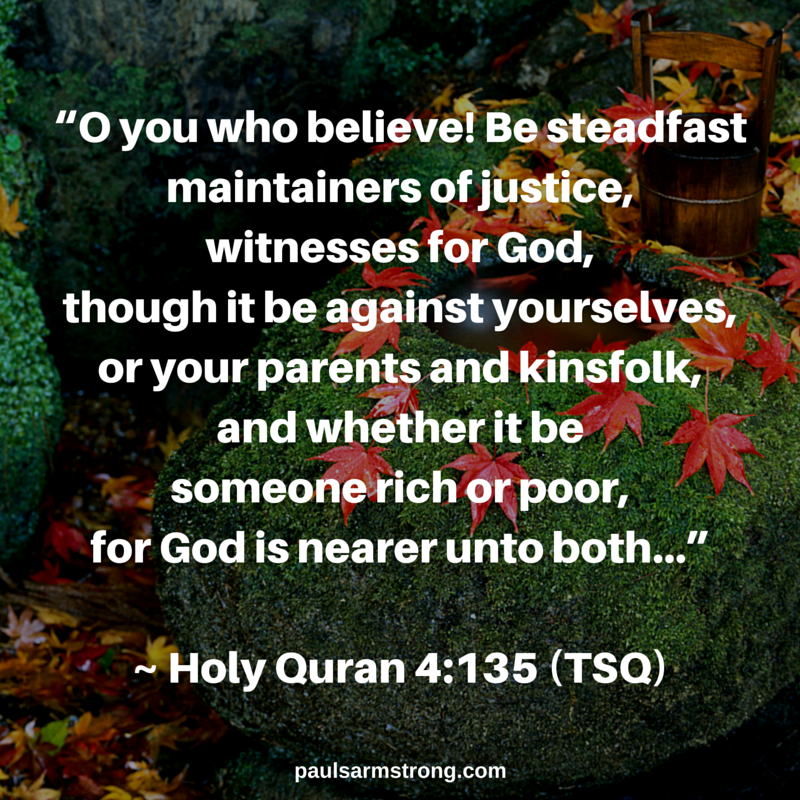
သင်ကိုယ်တိုင်ကို ဒါမှမဟုတ် သင့်မိသားစုကို ပင်ဆန့်ကျင်နေပေမဲ့ တရားမျှတမှုဘက်က ရပ်တည်ပါ။
(ကွရ်အာန် ၄း၁၃၅ )မှာဘာပြောထားသလဲဆိုတော့-
အို အီမာန်ယုံကြည်သူအပေါင်းတို့၊ အသင်တို့သည် လမ်းမှန်ပေါ်မှာ တရားမျှတမှုအတွက် ခိုင်ခိုင်မြဲမြဲ ရပ်တည်ကြပါ။
- မိမိကိုယ်တိုင်ကို ဆန့်ကျင်ပြီးတော့ပဲဖြစ်ဖြစ်
- မိမိရဲ့မိဘကို ဆန့်ကျင်ပြီးတော့ပဲဖြစ်ဖြစ်
- မိမိရဲ့ဆွေမျိုးသားချင်းကို ဆန့်ကျင်ပြီးတော့ပဲဖြစ်ဖြစ်
- ချမ်းသာတဲ့သူဖြစ်ဖြစ် ဆင်းရဲတဲ့သူဖြစ်ဖြစ်
- အာဏာရှင်ပဲဖြစ်ဖြစ် အာဏာမရှိတဲ့သူပဲဖြစ်ဖြစ်ဘယ်သူ့ရဲ့ဘက်ကိမှမလိုက်ပဲ အလ္လာဟ်အသျှင်မြတ်အတွက် အသင်တို့ဟာ မှန်ကန်စွာ သက်သေခံတဲ့သူတွေဖြစ်ကြပါစေ။
ဒါ့ပြင် –
- သက်သေခံချိန်မှာလိမ်ညာကွေ့ဝိုက်တာတွေမပြုရ၊
- သက်သေမခံပဲ တိမ်းရှောင်နေတာမလုပ်ရ။
ဘယ်သူ့ကိုမှ ဖိနှိပ်တာ၊ လှည့်ဖြားတာ ဒါမှမဟုတ် အခွင့်ကောင်းယူတာတွေ မပြုရပါ။
လူတိုင်းကို လူမျိုး ဘာသာ မခွဲခြားပဲ သူတို့ရထိုက်တဲ့ အခွင့်အရေးတွေအတိုင်း ဆက်ဆံပါ။
အဲ့ဒီလိုလူ့ ကျင့်ဝတ်တွေကို မွတ်စလင် ဘာသာဝင်တွေပေါ်မှာသာ ကျင့်သုံးဘို့ ပြောခဲ့တာမဟုတ်ဘူး၊ လူတိုင်း ဘယ်ဘာသာကိုးကွယ် ကိုးကွယ် လူတိုင်းအပေါ်မှာကောင်းဖို့ကိုဆုံးမခဲ့တာပါ။
၄။ ကရုဏာနဲ့ သနားကြင်နာမှု
- တမန်တော်မိုဟမ္မဒ် (ငြိမ်းချမ်းမှုအပေါင်း သူ့အပေါ် ကျရောက်ပါစေ) က “ဝေနေရာ သတ္တဝါ ကမ္ဘာသားအားလုံးအတွက် ကရုဏာတော်” ဖြစ်တော်မူပါတယ်။
- အားနည်းသူတွေ၊ ဆင်းရဲသားတွေ၊ ကလေးတွေ၊ တိရစ္ဆာန်တွေနဲ့ ပတ်ဝန်းကျင်ကို ကရုဏာပြပါ။
- နူးညံ့ကြင်နာမှုက ပိုမိုကောင်းမွန်တဲ့ ရလဒ်တွေကို ရရှိနိုင်ပြီးရက်စက်ကြမ်းတမ်းတာတွေကို မပြုလုပ်ပါနနဲ့။
- တဖက် လူအားနည်းချက်အပေါ်မှာ မတရားအခွင့်အရေးမယူရဘူး
- နှိမ်ပြီးဝယ်ယူတာတွေ ငွေပေးတာတွေ
- ဆင်းရဲလို့ နှိမ်ချဆက်ဆံတာတွေမလုပ်ရဘူး
- တရိစ္စာန်တွေကိုလည်း မညှင်းဆဲရဘူး
- နောက်တစ်ခုက စစ်ပွဲတွေမှာ ကိုယ်ကစစ်တိုက်တာနိုင်တယ် ဆိုပြီး ရန်သူနယ်မြေက သစ်ပင်တွေ စိုက်ခင်းတွေ လူနေရပ်ကွက်တွေကို မီးရှိုတာ ဖျက်ဆီးပြစ်တာမျိုးမလုပ်ရဘူး
- လူတစ်ယေက်ကို သက်သက် သိက္ခာချပြီး အသရေဖျက်တဲ့ သဘော မပြောရဘူးတဲ့ မုန်းတီးမှုနဲ့ပြောတာမျိုးကိုရှောင်ပါတဲ့
၅။ ဘေးအန္တရာယ်ကိုရှောင်ကြဉ်ပါ
- “မွတ်စလင်ရဲ့ လျှာနဲ့ လက်တွေဟာ အခြားသူတွေအတွက် ဘေးအန္တရာယ်မဖြစ်စေရ။”
- ဘယ်သူ့ကိုမှ ရုပ်ပိုင်း၊ စိတ်ပိုင်း ဒါမှမဟုတ် လူမှုရေး အန္တရာယ် မပြုပါနဲ့။
- နောက်ကွယ်မှာ အတင်းပြောတာ၊ အသရေဖျက်တာ၊ မုန်းတီးမှုနဲ့ အငြိုးထားတွေကို ရှောင်ကြဉ်ပါ။
- နောက် ပြီးကိုယ်လိုအပ်တာ တစ်ခု ရဖို့ရာအတွက် နုတ်ချိုချိုသာသာနဲ့ပြောရမယ် အော်ဟစ်တာ အော်ငေါက်ပြီး ပြောတာမျိုးမလုပ်ရဘူး
- ကွယ်ရာမှာမကောင်း ပြောတာမျိုးမလုပ်ရဘူး လူတစ်ယောက်ရဲ့မကောင်းကြောင်းကို အဲ့ဒီလူနောက်ကွယ်မှာမပြောရဘူးတဲ့ အဲ့လိုပြော ခဲ့ရင်လည်းကိုယ့် ညီအကိုမောင်နှမရဲ့ အသားကိုပြန်စားသလိုပဲတဲ့ သူများအတင်းကို မှန်နေရင်တောင် နောက်ကွယ်မှာမပြောပါနဲ့ ရှေ့တင်ချိုသာစွာ အပြုသဘောနဲ့ ပြောရတယ်တဲ့
၆။ မိဘနဲ့ မိသားစုကို ဂုဏ်ပြု ဆောင့်ရှောက်ပါ
- အလ္လာဟ်အသျှင်မြတ်ကို ရှိခိုးကိုးကွယ်ပြီးနောက် မိဘတွေကို ကောင်းမွန်စွာ ပြုစုစောင့်ရှောက်ခြင်းဟာ အမြင့်မြတ်ဆုံး တာဝန်ဖြစ်ပါတယ်။ မိဘနဲ့ မိသားစုကို ဂုဏ်ပေးပါ အလ္လာဟ်ပြီးရင် ကိုယ့်ရဲ့ မိဘတွေပဲတဲ့။ အမေ့ရဲ့ခြေဖဝါး အောက်မှာ (ဂျန်နပ်စ်) နိဗ္ဗာန်ဘုံ ရှိတယ်တဲ့။
- ဆွေမျိုးတွေက ဒုက္ခပေးတတ်ရင်တောင် ဆွေမျိုးအဆက် မဖြတ်ရ။
ကိုယ့်ရဲ့မိသားစုထဲမှာ ကိုယ့်ဘာသာဝင် မဟုတ်ခဲ့ရင်တောင် မိသားစု အမျိုး အဆက်မဖြတ်ပစ်ရဘူး။ ဘာသာခြားမိုလို့လဲ မိသားစု ပုံစံမဖျက်ရဘူးတဲ့။ မိသားစုထဲ့တစ်ယာက်ယောက်က အခြားဘာဝင်ဖြစ်သွားလဲ အမွေဖြတ်တာ တို့ သေခန်းဖြတ်တာ အဆက်အသွယ် မလုပ်တာတို့ကို မလုပ်မိ ဘို့တားမြစ်ထားတယ်။
ဘာသာမတူ လူမျိုးမတူတာတောင်မှ လေးစား ရမယ်။ ဆွေမျိုး ညီအကိုမောင်နှမ ဖြစ်နေရင်လည်း လေးလေးစားစား ဆက်ဆံရမယ်။
၇။ ညီရင်းအစ်ကိုစိတ်ဓာတ်မှုနဲ့ လူမှုအသိုင်းအဝိုင်း
- မွတ်စလင်တွေဟာ အချင်းချင်း ညီရင်းအစ်ကိုစိတ်ဓာတ်နဲ့ စည်းလုံးညီညွတ်ကြရမှာဖြစ်ပါတယ်။
- လိုအပ်သူတွေကို ကူညီပါ၊ နာမကျန်းသူတွေကို သွားရောက်ကြည့်ရှုပါ၊ ဆာလောင်သူတွေကို ကျွေးမွေးပါ။
- အခြားသူတွေရဲ့ အခက်အခဲတွေကို ဖယ်ရှားပေးပါ၊ အလ္လာဟ်အသျှင်မြတ်က သင့်အခက်အခဲတွေကို လည်းဖယ်ရှားပေးလိမ့်မယ်။
ညီနောင်သားချင်းစိတ်ဓာတ်ရှိရမယ်။ ညီအကို မောင်နှမစိတ်ဓာတ်ရှိရမယ်။ မိသားစု စိတ်ဓာတ် ရှိရမယ်။ အဖွဲအစည်း စိတ်ဓာတ် ရှိရမယ်။
မွတ်စလင်အားလုံးဟာ တစ်ဦးစီကိုကူညီစောင့်ရှောက်ပြီး။ မွတ်စလင် တစ်ဦးတိုင်းကလည်း အများအတွက်ဖြစ်ရမယ်။ ကျနော်တို့ အားလုံးဟာ အစ္စလာမ်အတွက်၊ အလ္လာဟ်အသျှင်မြတ် အတွက်ဖြစ် ရမယ်။
ဘယ်တိုင်းပြည်မှာပဲနေတာဖြစ်ဖြစ်-
- တိုင်းပြည်အုပ်ချုပ်တဲ့ သူတွေအပေါ်မှာလည်း လေးလေးစားစားရှိရမယ်၊ ချစ်မြတ်နိုးရမယ်လို့ သင်ကြားခဲ့တယ်။
- ကိုယ်နေတဲ့ တိုင်းပြည်ကိုချစ်ရမယ်။
- တိုင်းပြည်က ပေးတဲ့ အမိန့် ကိုနာခံရမယ်။ နိုင်ငံသားအားလုံး လူသားအားလုံးကိုချစ်မြတ်နိုးရမယ်။
ဘာသာပြောင်းလို့ ညှင်းဆဲရင် မွတ်စလင်ဖြစ်လို့ညှင်းဆဲရင်သာ အမိန့်ကို မနာခံရမှာ ကျန်တဲ့ ဟာဆိုရင် နာခံရမယ်။
အခြားသူတွေရဲ့အခက်အခဲဒုက္ခ တွေကို ကူညီပေးပါက အလ္လာဟ်အရှင်မြတ်ကသင့် အခက်အခဲတွေကို လည်းဖယ်ရှားပေးတော်မူလိမ့်မယ်။
- လိုအပ်တဲ့လူတွေကို ကူညီရမယ်။
- နေထိုင်မကောင်းတဲ့ လူတွေကိုသွားကြည့် ရမယ်။
- ဆာလောင်မွတ်သိပ်နေတဲ့ လူကို ကျွေးမွေးရမယ်။
- ကိုယ့်ကို ရန်သူလို ဆက်ဆံထားတဲ့လူကို ကိုယ်ကလည်း ရန်သူလို ပြန်ပြီး တုန့်ပြန်လိုက်ရင် အဲ့ဒီရန်ညှိုး ဘယ်တော့မှပြီးမှာ မဟုတ်တော့ဘူး ။
- ရန်ကို ရန်ချင်းမတုန့်နှင်းနဲ့တဲ့။ ရန်ကို မေတ္တာနဲ့ ပဲတုံ့နှင်းပါ။
- သူများကို ကလဲ့စားမချေပါနဲ့။ ကူညီဖို့သာကြိုးစားပါလို့ကျနော်တို့ အစ္စလာမ်ဘာဝင်တွေကို ကျနော်တို့ တမန်တော်မြတ်က သင်ထားခဲ့တယ်။
- အလကားနေရင်းမကြွားဝါနဲ့ [DZ1] ။
၈။ အရာရာမှာမဇ္ဈိမပဋိပဒါ အလယ်အလတ်တရားကို ကျင့်သုံးပါဟု တမန်တော်မိုဟမ္မဒ် (ငြိမ်းချမ်းမှုအပေါင်း သူ့အပေါ် ကျရောက်ပါစေ) က ဆုံးမခဲ့၏
- ဘာသာတရားကို အစွန်းရောက်အေင်မကျင့်သုံးရ။
- အလွန်အကျွံပြင်းထန်စွာ တရားကျင့်မှု ဒါမှမဟုတ်
- ကိုယ်ကျင့်တရား တင်းကျပ်မှုတွေကို တားမြစ်ခဲ့ပါတယ်။
- လောကီဘဝနဲ့ ဘာသာရေးလိုက်စားမှုကို ဟန်ချက်ညီအောင် ပြုပါ။
ဘာသာရေးမှာ အစွန်းမရောက်နဲ့ ၊ မျှတမှု့ရှိရမယ်။ ဘုရားတရားတွေကြီးပဲ အလွန်အကျွန်မလုပ်ရဘူး။ ဟိုဘက်ဒီဘက်မျှတမှုရှိရမယ်။ တဘလစ် အဖွဲ့နဲ့ပဲလိုက်နေမယ်၊ ကိုယ့်မိသားစု စားဝတ်နေရေးအတွက် ဝင်ငွေရဖို့ အလုပ်ကိုကြတော့ မလုပ်ဘူးဆိုလို့မရပါဘူး။
၉။ တာဝန်ခံမှု တာဝန်ယူမှု နဲ့ရိုးသားမှု
လုပ်ဆောင်ချက်တိုင်းရဲ့ ရည်ရွယ်ချက်ကို သာအလ္လာဟ်အသျှင်မြတ်က ကြည့်တော်မူလိမ့်မယ်။ ချီးမွမ်းခံရလိုတာ ဒါမှမဟုတ် ဂုဏ်ပကာသန ပြစားဖို့အတွက် မဟုတ်ဘဲ အလ္လာဟ်အတွက်သာ ရိုးသားစွာ ကောင်းမှုတွေ ပြုလုပ်ပါ။
- ရည်ရွယ်ချက်ကောင်းရမယ်၊ ကိုယ်ကရည်ရွယ်ချက် ကောင်းရဲ့သား နဲအမှားတစ် ခုလုပ်လိုက်မိတယ်ဆိုရင်လည်း အဲ့ဒီအမှားအတွက် အပြစ်မကြီးပါဘူး။ မတော်တစ မှားသွားတာက ကိစ္စမရှိဘူး။
- ရည်ရွယ် ချက်မကောင်းပဲနဲ့ လုပ်ရင် ပိုဆိုးတယ်။
- တာဝန်ယူမှု့တာဝန်ခံမှုရှိရမယ်။ သူများကို လက်ညိုးထိုးလို့ မရဘူး အပြစ်တွေဖို့တာက ဘာတစ်ခုမှာဖြစ်လာမှာမဟုတ်ဘူး။ ကိုယ်လုပ်လိုက်တာကို ကိုယ်က တာဝန်ခံရလိမ့်မယ်။
- မွတ်စလင်တွေက အမှန်ကိုလုပ်ဖို့လိုတယ် အရေးကြီးတာက လိမ်ပြီးမုသားမပြောရဘူး ။ အမှန်ကိုလုပ်တယ်ဆိုတာကအရေးကြီးတယ်။ အလုပ်လုပ်တာ အကောင်း လုပ်တာက အလ္လာဟ်အသျှင်မြတ် အတွက်လုပ်တာ။ ဟိုလူဒီလူအတွက် မဟုတ်ဘူး။ ပြစားဖို့မဟုတ်ဘူး။
- အဲ့ဒီလိုဘဲ “လှူရင်လည်း ညာဖက် လက်ကလှူရင် ဘယ် ဘက်လက်ကမသိစေနဲ့” တဲ့ ကျနော်တို့ မွတ်စလင်တွေက အဲ့လိုမျိုး တွေလုပ် နိုင်မယ် ဆိုရင် အများကြီးလူတွေရဲ့ လေးစားမှုတွေရလာမယ်
၁၀။ အမှန်တရားသစ္စာနှင့် သမာဓိ
ကတိ တည်ပါ။ ယုံကြည်မှုကို ထိန်းသိမ်းပါ။ ခက်ခဲနေရင်တောင် အမှန်တရားကိုသာ ပြောပါ။
- အမြဲဂတိတည်ရမယ်။ ကိုယ်မဖြည့်စွမ်းနိုင်တဲ့၊ မလုပ်နိုင်မဲ့ဟာကို ပြီးပြီရော လွယ်လွယ်ဂတိမပေးနဲ့။ လိမ်ညာတာပဲလေ။
- ယုံကြည်လို့ ကိုယ့်ကို အပ်ထားတဲ့အရာ တွေကို အလွဲသုံးစား မလုပ်ရဘူး
- အထူးသဖြင့် ငယ်ရွယ်သူတွေက (အထူးသဖြင့် မိဘမဲ့ကလေးတွေ) ပိုင်တာ ကိုယ့်ကိုထိန်းသိမ်းဖို့ အပ်ထားတဲ့ အရာတွေကို အလွဲသုံးစားမလုပ်ရဘူး အဲဒီကလေးအရွယ်ရောက်မှ ပေးရမယ်ဆိုရင် အဲ့ဒီကလေးအရွယ်ရောက်လာတဲ့အထိစောင့်ပြီး ထိမ်းသိမ်းထား ရမယ်။
- အမှန်ကိုပဲအမြဲပြောပါ။
၁၁။ လူသားအားလုံးကို လေးစားစွာဖြင့် ဂုဏ်သိက္ခာပေးပါ
လူသားအားလုံးရဲ့ ဂုဏ်သိက္ခာဟာ တန်းတူညီမျှဖြစ်ပါတယ်။ လူမျိုး၊ နိုင်ငံသား ဒါမှမဟုတ် လူမျိုးစုအရ ဘယ်သူမှသာလွန်မှု မရှိပါ—ဘာသာတရားကို လိုက်နာမှု ကိုယ်ကျင့်တရားအရသာ ကွာခြားကြပါတယ်။
- မွတ်စလင်တင်မဟုတ်ဘူး လူသားအားလုံးကို လေးစားရမယ်။
- မွတ်စလင်မဟုတ်သူတွေကိုလည်းသနားကြင်နာ၊ တရားမျှတစွာ ဆက်ဆံပါ။
- လူသားအားလုံးတို့ရဲ့ ဂုဏ်သိက္ခာကိုလည်း လေးစားရမယ်။
- လူသားအားလုံးဟာ ယောကျ်ားပဲဖြစ်ဖြစ် မိန်းမပဲ ဖြစ်ဖြစ် ကလေးပဲဖြစ်ဖြစ် သူတို့ကိုယ်စီအသီးသီးမှာ ဂုဏ်သိက္ခာရှိတယ် အဲ့ဒီ ဂုဏ်သိက္ခာကို လေးစားလိုက်နာရမယ်။
- ဒါကတော့ အင်္ဂလိပ် မိုလို့ ဂုဏ်သိက္ခာ ရှိတယ် ဒီလူက ဆော်ဒီနိုင်ငံက မိုလို့ ဂုဏ်သိက္ခာ ရှိတယ် ဒီကောင်က ဘင်္ဂလား မို့လို့ ဂုဏ်သိက္ခာ မရှိဘူ ဆိုပြီး နိမ့်ချဆက်ဆံလို့မရဘူး။
- သူတောင်း စားမိုလို့ ခွဲခြား ဆက်ဆံလို့မရဘူး။
- ဘာလူမျိုး ဘာ ဘာသာမဆို ခွဲခြားမဆက်ဆံရဘူး။
အာစီယံ တွေထဲမှာလည်း ဗမာကိုနှိမ်ချတာပဲ ဗမာမွတ်စလင်ဆိုလဲအရေးမစိုက်ဘူး၊ ရိုဟင်္ဂျာ ဆိုလည်းနှိမ်တာပဲ အာရပ်ဆိုရင်တော့ ‘မ’နေကြတယ်။ လူဖြူတွေ ဂျပန် ကိုရီးယားတွေ ချမ်းသာလို့ ဦးစားပေးတယ်။
အဲ့လိုမျိုး မွတ်စလင် မဟုတ်တဲ့လူတွေကိုတောင် ညှင်ညှင်သာသာနဲ့ ဆက်ဆံပါ တရားမျှတစွာဆက်ဆံပါ ဘာသာခြားဖြစ်လို့ ဆိုပြီး ခွဲခြားဆက်ဆံလို့မရဘူး ကောင်းကောင်းမွန်မွန်ဆက်ဆံရမယ်။
၁၂။ ငြိမ်းချမ်းရေးနဲ့ ပြန်လည်သင့်မြတ်ရေး /ရင်ကြားစေ့ရေး
တမန်တော်မိုဟမ္မဒ် (ငြိမ်းချမ်းမှုအပေါင်း သူ့အပေါ် ကျရောက်ပါစေ) က အငြင်းပွားမှုတွေကို ငြိမ်းချမ်းစွာ ဖြေရှင်းဖို့ တိုက်တွန်းခဲ့ပါတယ်။
- လက်စားချေခြင်းထက် ခွင့်လွှတ်ခြင်းက ပိုကောင်းပါတယ်။
- တမန်တော်မြတ်က ဘာမိန်ကြားခဲ့သလဲဆိုတော့ ငြင်းခုန်မှုတွေရှိလာတယ်ဆိုရင်တောင် ငြိမ်းငြိမ်းချမ်းချမ်းနဲ့ ပြေလည်အောင်လုပ်ကြပါ၊ ရန်ဖြစ်မနေကြပါနဲ့ ၊စစ်တိုက်မနေကြပါနဲ့တဲ့။
- စစ်ပွဲသည် နောက်ဆုံးရွေးရမည့်နည်းလမ်းဖြစ်ပြီး၊ စစ်ပွဲနဲ့ရင်ဆိုင်တွေ့ဆုံရာမှာ စည်းကမ်းတင်းကြပ်စွာ ထိန်းချုပ်ထားပြီး အာဏာ ဒါမှမဟုတ် ရန်လိုမှုအတွက် မဟုတ်တဲ့ စစ်မှန်တရားမျှတတဲ့ စစ်ပွဲဖြစ်ရမယ်။
- စစ်ဆိုတာနောက်ဆုံးအဆင့်ကြမှဖြစ်ရတာ၊ ဖြစ်ခဲ့ရင်တောင်မှ တရားသောစစ်ဖြစ်ရမယ်။
- ကိုယ်ကစပြီး အာဏာလိုချင်တာနဲ့၊ နယ်မြေလိုချင်တာနဲ့၊ စစ်ပွဲနိုင်ရင်လုယူရရှိနိုင်တဲ့ ရွှေငွေ လက်ဝတ်ရတနာ မြေ ကျွဲနွား ရိက္ခာ မိန်းမ ကျွန်တွေလိုချင်တာနဲ့ သွားပြီးတိုက်လို့ မရဘူး။
- စစ်ဖြစ် နေရင်တောင် ကိုယ်က စစ်အင်အား နဲ့သွားပြီး အကြမ်း ဖက် လို့မရဘူး။
- အဲ့တော့ စစ်မြေပြင်မှာ ဆင်းရဲတဲ့လူတွေ ထိလွယ် ရှလွယ် တဲ့လူတွေကို ဂရုစိုက်ပါ။
၁၃။ ဆင်းရဲသားတွေနဲ့ အကာအကွယ်မဲ့တဲ့ အားနည်းသူတွေကို ဂရုစိုက်ခြင်း
ပုံမှန်အကူအညီ အထောက်အပံ့ပေးပါ။ အနည်းငယ်သာရှိနေရင်လည်း အစားအစာ မျှဝေစားသောက်ပါ။
- အားကောင်းသူတွေက အားနည်းသူတွေကို ကာကွယ်ရမယ်။
- အလှူဒါန လုပ်ပါ။
- ကိုယ့်မှာရှိတဲ့ အစားအသောက်ကို မျှတပြီးစားပါ။
- အားနည်းတဲ့လူတွေကို အင်အားရှိတဲ့လူတွေက ကာကွယ်ရမယ်။
ဒီမို ကရေစီမှာလည်းဒီလိုပဲ လူနည်းစုကို လူများစုကကာကွယ်ရမယ်
၁၄။ အသိပညာရှာဖွေခြင်း
အကျိုးရှိသော အသိပညာရှာဖွေတာဟာ တာဝန်တရပ်ဖြစ်ပါတယ်။ အစ္စလာမ်က ပညာရပ်နယ်ပယ်အစုံမှာ သင်ယူမှုကို အားပေးထားပါတယ်။ ဥပမာ- ဘာသာရေး၊ သိပ္ပံ၊ ဆေးပညာ၊ ဥပဒေ စသည်ဖြင့်။
တမန်တော်မြတ် လက်ထက်က ပြောခဲ့ တာရှိ တယ်…
- “ပညာရှာလိုရင် တရုတ်ပြည်အထိသွားပါတဲ့”
- “မွေးတဲ့အချိန် ပုခက်ထဲကနေပြီးတော့ သေတဲ့အချိန်အထိ ပညာရှာကြတဲ့” အစ္စလာမ်မှာ အဲ လိုသတ်မှတ်ထားတာရှိတယ်။
အလကားနေရင်း အလုပ်တွေပဲ လုပ်ခိုင်းနေလို့ မရဘူး။ အပျော်လိုက်၊ အချိန်ဖြုံးနေလို့မရဘူး။
- ကလေးတွေကို အလုပ်ပဲခိုင်း နေလို့ မရဘူး ။
- ကျောင်းနေအရွယ်မှာကျောင်းထားပေးရမယ်။ ခေတ်ပညးရော ဘာသာ သာသနာရေးပညာပါ သင်ပေးရမယ်။
- ဘာသာရေးပညာ သိပ္ပံပညာ ဆေးပညာ ဉပဒေပညာ အစုံပေါ့လေ။
- ထပ်ပြောရရင် အခုခေါတ်မှာ ကွန်ပြူတာမတတ်ရင် လူရာမဝင်တော့ဖူးဗျ။
- နောက်တချက်က အခုချိန်က အွန်လိုင်းသုံးနေကြတဲ့ ခေတ်ကိုရောက်လာပြီ အဲဒိ အင်တာနက်ကနေ၊ အေအိုင် AI နဲ့ ယူတူဗ် You tube ကနေပြီးတော့ ပညာရပ်တွေရှာလည်းရတာပဲ။ ရုပ်ရှင်တွေ အပျော်အပါးတွေ ကိုပဲ ကြည့်မနေပဲနဲ့ ပညာသင်လို့ရနေတာပဲ။ အွန်လိုင်းကို အကျိုးရှိရှိသုံးတတ် ဖို့လိုတယ်။
- အဲ့တော့ ပညာရှာတာက မွတ်စလင် တယောက် ရဲ့တာဝန် ပညာရှာတာက ဘာသာရေးပညာတင်မကဘူး ပညာရပ် အကုန်လုံးကို ရှာနေရမှာ။
- အထွေထွေကျန်းမာရေး၊ ကြက်ခြေနီ (လချမ်းနီ) ရှေးဦးသူနာပြု၊ တကိုယ်ရေ သန့်ရှင်းရေး၊ အစားအသောက်ရွေးချယ်စားသောက်တတ်မှုနဲ့ ကျန်းမာရေး အားကစား ကိုယ်ခံပညာ (သိုင်း၊ ဘောက်ဆင်၊ ဂျူဒို၊ တိုက်ကွမ်ဒို) ရေကူး စက်ဘီး ဆိုင်ကယ်စီး တာနဲ့ကားမောင်း တွေကတပ်ထားသင့်တဲ့ပညာတွေပါ။
- နောက်ပြီးတော့ အရေးကြီးတာက နိုင်ငံခြား ဘာသာစားတခုခုတတ်ရမယ်၊ အရေးအဖတ်သာမက ပြောတတ်ရမယ်။ သူများပြောတာနားလည်ရမယ်။ အနည်းဆုံးက အင်္ဂလိပ်၊ ဖြစ်နိုင်ရင် တရုပ်ရောပေါ့။ ကျန်တာတွေကတော့ အခြေအနေအရပေါ့။ ကိုယ်အလုပ်သွားလုပ်ချင်၊ကျောင်းတက်ချင်၊ ပြောင်းရွှေ့ နေထိုင် ချင်တဲ့ နိုင်ငံပေါ်မူတည်တာပေါ့လေ။
သိပ်စိတ်ဓာတ်မကျနဲ့ စိတ်ပျက် အားငယ်မသွားပါနဲ့ဗျာ။ လာချင်လျင် အနီးကလေး၊ မလာချင်ရင် ခရီးဝေးပေါ့လေ။ လုပ်ချင်စိတ်ကအဓိကပဲ။ လုပ်ချင်ဇောကြီးရင် ဘယ်သူတွေ ဘယ်လောက်တား ဥပဒေတွေဘာရှိရှိ ဘယ်လောက်ခက်ခက် ဘယ်လောက်အန္တရာယ်များများ လူတွေလုပ်နေကြတာဘဲလေ။ ကဲ လုပ်ချင်စိတ်မရှိရင်တော့ ဆင်ခြေတွေထောင်သောင်းချီပြီး ရှာပေးနိုင်ကြတာပါ။
နောက်ပြီး တခုခုဖြစ်ရင်၊ ဆုံးရှုံးရင်၊ တခါနဲ့ မအောင်မြင်ရင်လည်း စိတ်ဓာတ်လွယ်လွယ်မကျနဲ့၊ အရှုံးမပေးနဲ့၊ ထပ်ပြန်တလဲကျိုးစားပါ။
လုံ့လ ဝိရီယ ရှိရုံသာမက အနိုင်မခံ အရှုံးမပေးသော ဇွဲ ပါရှိပါက မြေကြီးလက်ခတ်မလွဲအောင်မြင် ကြမှာဖြစ်ပါတယ်။
တခုခု ကံမကောင်း အကြောင်းမလှလျင်ပင်တောင် အကောင်းဖက် ကိုပဲလှည့် တွေး လိုက်ပါ။ လောကမှာ ကိုယ်ထက်ဆိုးတဲ့သူတွေလည်း ရှိကြတာပဲ။ ကိုယ့်အခြေအနေကို ကံကြမ္မာ သို့မဟုတ် ဘုရားသခင် အလ္လာဟ် အသျှင်မြတ်က အကောင်းဆုံး စီစဉ်ပေး ထားတယ် လို့သာ သတ်မှတ်ယုံကြည်လိုက်ပါ။
ကံကြမ္မာ ဒါမှမဟုတ် ဘုရားသခင်ကပေးထားတဲ့ ကိုယ့်အခြေအနေတွေကို တခုခြင်း ရည်တွက်ကြည့်ပါ။ ကံကြမ္မာ ဒါမှမဟုတ် ဘုရားသခင်ကိုကျေးဇူးတင်လိုက်ပါ။ ဒါကို ‘ပိုလီယာနာ’ အကောင်းမြင်စိတ်ဓာတ် လို့ခေါ်တယ်။ ဒီစာအုပ် ကို စာရေးဆရာ ၂ယောက်ကတောင် ဗမာလိုဘာသာပြန်ထားတယ်။ တအုပ်က ‘မေတ္တာရှင်မလေးငြိမ်းငြိမ်းအိ’ တဲ့။ ရုပ်ရှင်တောင်ရှိတယ်။
နောက်တအုပ်က ဦးနုရဲ့ ‘မိတ္တဗလဋီကာ’၊ ‘လူပေါ်လူဇော် လုပ်နည်း’ပေါ့။
အဲ့ဒီစာအုပ်နှစ်အုပ်ကို ကျနော် အခါ ၅၀ စီလောက်စီဖတ်ဖူးတယ်။ မှတ်စု ထုတ် အတိုချုပ်ကို စာကြည့်စားပွဲမှန်အောက်မှာထားပြီး ခဏခဏဖတ်တယ်။ ကျနော့် ဘဝကိုပြောင်လဲတိုးတက်စေခဲ့တဲ့ ကျေးဇူးရှင်စာအုပ်နှစ်အုပ်ပါဗျာ။ (ချီးမွမ်းခြင်းအားလုံးသည် အလ္လာဟ် အသျှင်မြတ်အတွက်သာဖြစ်ပါသည်။)
ဒါ့ကြောင့် စာအုပ်စာပေကောင်းတွေ ရှာဖွေဖတ်တတ်တဲ့အကျင့်လည်းရှိရမယ်။ ကျနော့အမေက ကျနော့ကိုပေးခဲ့တဲ့ အကောင်းဆုံးအမွေပါ။ နောက်ပြီး သူငယ်ချင်းကောင်းတွေပေါ့။ ကျနော်တက္ကသိုလ်အတူတက်ခဲ့တဲ့ ရခိုင် နဲ့ ဗမာ ဗုဒ္ဓဘာသာသူငယ်ချင်းကောင်းတွေရဲ့ ကူညီ ညွှန်ပြမှုလည်း ပါတာပေါ့၊
လောဘမကြီးနဲ့ သူများကို မနာလိုမဖြစ်နဲ့။
ကိုယ်ကမချမ်းသာရင် လည်း ရောင့်ရဲတတ်ဘို့လိုပါတယ်။
လူတွေကို ကြွားဝါဘို့ ဂုဏ်တုဂုဏ်ပြိုင်တွေ မလုပ်ဖို့အရေးကြီး ပါတယ်။
ကျနော် တို အစ္စလာမ်ဘာသာဝင် မွတ်စလင်တွေ လူချစ်လူခင်များအောင်နေပါ၊ စည်းကမ်းရှိပါလို့ တမန်တော်မြတ်က သွန်သင်တော်မူခဲ့ပါတယ်။