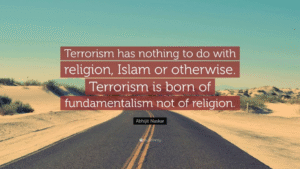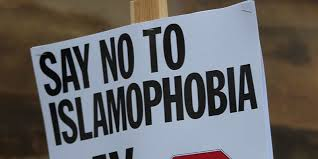
Islamophobia is not about Islam—it is about fear, politics, and prejudice. By recognizing its roots in history, media, and power struggles, societies can move toward justice and understanding.
Islamophobia exists worldwide because of a mix of political narratives, media framing, historical prejudice, and fear amplified by extremist violence. It is not rooted in Islam itself, but in stereotypes and power struggles that misrepresent Muslims.
Key Causes of Global Islamophobia
- Historical prejudice: The term Islamophobia was first coined in 1910 to describe Western prejudice against Islam, later tied to Orientalist stereotypes portraying Muslims as backward or dangerous.
- “War on Terror” narrative: After 9/11, U.S. and European policies framed terrorism as primarily an Islamic problem. This narrative spread globally, linking Muslim identity with violence.
- Media amplification: News outlets often highlight the religion of Muslim perpetrators but downplay or omit the faith of non-Muslim extremists. This selective framing reinforces stereotypes.
- Political exploitation: Leaders in countries like India, Myanmar, and China have used Islamophobia to consolidate power, scapegoating Muslims (e.g., Rohingya persecution, Uyghur internment camps).
- Cultural unfamiliarity: In societies with little direct contact with Muslims, fear and misinformation fill the gap, making stereotypes harder to challenge.
- Global crises: Wars in the Middle East, refugee movements, and extremist propaganda have been weaponized to portray Muslims as threats, even though most victims of terrorism are Muslims themselves.
Sources: The Nation – Causes and Consequences of Islamophobia Middle East Eye – How Islamophobia Became a Global Scourge
Consequences of Islamophobia
- Discrimination: Muslims face profiling, surveillance, and exclusion in workplaces, schools, and public life.
- Violence: Hate crimes against Muslims have risen in Europe, the U.S., and South Asia.
- Marginalization: Policies targeting Muslim minorities (e.g., bans on hijab, mosque restrictions) deepen social divides.
- Psychological impact: Constant suspicion erodes trust, belonging, and mental health in Muslim communities.
Path Forward
- Education: Highlight Islam’s teachings of peace and compassion, countering extremist misrepresentations.
- Interfaith dialogue: Building bridges between communities reduces fear and fosters mutual respect.
- Media responsibility: Balanced reporting that avoids sensationalism can dismantle harmful stereotypes.
- Policy reform: Governments must resist scapegoating minorities and uphold human rights universally.
၁၀/ ကမ္ဘာ့ နေရာတော်တော်များမှာ အစ္စလာမ် မုန်းတီးရေးတွေလုပ်နေကြတယ် ဘာကြောင့်လဲ?
အစ္စလာမ်ဘာသာကို ကြောက်ရွံ့ခြင်း (Islamophobia) ဟာ အစ္စလာမ်ဘာသာနဲ့ တိုက်ရိုက်မသက်ဆိုင်ပါ။
- အစ္စလာမ်ကိုကြောက်တာကဟန်ပြကလေးပါ။
- တကယ်ကတော့ မွတ်စလင်မုန်းတီးရေးလုပ်နေတယ်လို့ဘဲ ပြောရမှာပဲ။
အစ္စလာမ်ကိုကြောက်တယ်ဆိုတာ အစ္စလာမ်ကြောင့်မဟုတ်ဘူး၊ မွတ်စလင်ကိုမုန်းတယ်ဆိုတာကလည်း မွတ်စလင်ကြောင့် အခြေခံတာမဟုတ်ဘူး။ ဘာလဲဆိုတော့ အကြောက်အလန့်တရား ကြောက်လန့်စိတ်ကို သေသေချာချာ ရည်ရွယ်ချက်ရှိရှိနဲ့ကို ကြိုတင်ကြံစည်ပြီး စံနစ်တကျ ရိုက်သွင်းပေးနေကြလို့လေဗျာ။
နိုင်ငံရေးအရကို သေချာ ကြိုတင်ကြံစည်ပြီး လုပ်နေကြတာပါဗျာ။
အမုန်းတရားကို သိသိကြီးနဲ့ ကလေးတွေစပြီး လူကြီးတွေအထိ ခေါင်းထဲကိုအသေအချာ ကြိုတင်ကြံစည်ပြီး ရိုက်ထည့်ပေးနေတာဗျ။ ဦးနှောက်ဆေးထားပေးထားတာ၊ အမုန်းတရားထည့်ပေးထားတာပေါ့လေ။ မွတ်စလင် မုန်းတီးရေးဘောင်ထဲမှာ ကိုရိုက်ပြီး ပုံသွင်းလိုက်တာ။ ဒါ့ကြောင့် အစ္စလာမ်ကို ကြောက်ရွံ့တယ်ဆိုတာဟာ နိုင်ငံရေးအရ တလွဲအသုံးချနေသော မလိုလားအပ်တဲ့ ဖေါက်ပြန်တဲ့လူမှုရေးအခြေခံသဘောထား တလွဲနဲ့သာ သက်ဆိုင်ပါတယ်။
အစ္စလာမ်ဘာသာကို ကြောက်ရွံ့ပြီး မွတ်စလင်ကိုမုန်းတီးခြင်းစိတ်ဓာတ်ဟာ ကမ္ဘာတစ်ဝှမ်းမှာ ရှိနေပါတယ်။ အကြောင်းမှာ-
- နိုင်ငံရေး ခုတုန်းလုပ်ခံရခြင်း၊
- မီဒီယာရဲ့ တလွဲပုံဖော်ပြမှု ခံရခြင်း၊
- မလိုလားအပ်တဲ့ သမိုင်းဆိုင်ရာ ပုံဖေါ်မှုတလွဲသဘောထားများ၊
- လူနည်းစုမွတ်စလင်အချို့ရဲ့ အစွန်းရောက်အကြမ်းဖက်မှုအချို့ နဲ့ အဲ့ဒါတွေကိုပုံ ကြီးချဲ့ထားတဲ့ ကြောက်ရွံ့မှုတို့ ပေါင်းစပ်နေတာကြောင့် ဖြစ်ပါတယ်။
အဲ့ဒီဖြစ်စဉ်တွေဟာ အစ္စလာမ်ဘာသာထဲမှာ အမှန်တကယ် အမြစ်တွယ်နေခြင်း မဟုတ်ပါ၊
မွတ်စလင်တွေကို
- ဓားဆာခံလုပ်ပြီး စတေးဖို့
- တလွဲပုံဖေါ် တံဆိပ်ရိုက်ပြီး
- အာဏာရရေး ကြိုးပန်းမှုတွေ
ကနေ စတင်လာခြင်း ဖြစ်ပါတယ်။
ဒီဟာ တွေကို သိအောင်လို့ဆိုရင်-
ရာဇဝင်ထဲမှာဘယ်လို တဖက်စောင်းနင်း မျက်မှန်စိမ်းတပ်ပေးပြီး တလွဲတွေ စရေးလာခဲ့တာလဲ?
ပြီးတော့ ရာဇဝင်အဆက် ဆက် ဟိုတုန်းကတည်းက-
- ဗမာပြည်ဆို ကုလားဗမာ အထိကရုန်းတွေကစပြီးတော့
- ဥရောနိုင်ငံတွေကလည်း အရှေ့အလယ်ပိုင်းနိုင်ငံတွေအထိသွားပြီး ခရုဆိတ် စစ်ပွဲတို့ဘာတို့ကနေစခဲ့တာ
- နောက်ပြီး အာရပ် အစ္စရေး စစ်ပွဲအကြိမ်ကြိမ်
- အိန္ဒိယ မှာလည်း ဟင်ဒူ မွတ်စလင် အဓိကရုဏ်းတွေ
အဲ့တော့ အစ္စလာမ် အကြောက်တရားက အစ္စလာမ် ကြောင့်ဖြစ် လာတာမဟုတ်ဘူး။ ကျနော်ပြောခဲ့ပြီးပါပြီ မျက်နှာကို အိုးမဲအသုတ်ခံရတာ၊ ဝါးလုံးကိုမစင်သုတ်ပြီး အရမ်းခံရတာ ၊
အဲ့ဒါက အင်အားပြိုင်တွေဟာ မွတ်စလင်တွေကို ဒီလိုဒါးစာခံ ချနင်းတာတွေ လုပ်ပြီးတော့မှ အင်အား ယူတာ ဗမာပြည်မှာဆိုရင်လည်း မ.ဘ.သ ကိုသုံးပြီးတော့ အင်အားယူခဲ့ကြတာပဲ၊ နောက်တစ်ခု မြန်မာပြည် အထက်ပိုင်းက မြစ်ဆုံကြီး ပျက်သွားတဲ့အခါကြတော့ ဆက်ပြီးတော့တရုပ်စီမံကိန်းတွေပျက်မှာ ကြောက်တော့ ရိုဟင်ဂျာမုန်းတီးရေး အကွက်လှည့်လုပ်ပြီးတော့ ရိုဟင်ဂျာတွေကို တီးပြလိုက်တယ်။ အဲ့လိုမျိုးတွေ လုပ်လာ ကြတာ ပေါ့ဗျာ။ နိုင်ငံရေးအရဖြစ်ဖြစ် မုန်းတီးရေးခံအရဖြစ်ဖြစ် ဒါမျိုးတွေ လုပ်တတ်ကြတယ်။
- မီဒီတွေယာတွေ ထဲမှာ ဘယ်လိုပုံ တဘက်သတ် ဇောင်းပေးပြီး ရေးလာတာလဲ?
- ကမ္ဘာနိုင်ငံရေး နဲ့ မြန်မာနိုင်ငံရေး ဇာတ်ခုံတွေမှာ ဘာအားပြိုင်မှုတွေ ဘာတွေဖြစ်နေလဲ?
အဲဒါတွေ သိတယ်ဆိုလိုက်ရင် အများပြည်သူ လူထုလူတန်းစား တွေက တရားမျှတခြင်း နားလည်ခြင်းနဲ့ ကျနော်တို့အပေါ် အမြင်မှန် သွားနိုင်လိမ့်မယ်လို့ ကျနော်ယူဆပါတယ်။
တကမ္ဘာလုံး၌ အစ္စလာမ်ဘာသာကို ကြောက်ရွံ့တာ မွတ်စလင်တွေကိုမုန်းတာတွေရဲ့ အဓိက အကြောင်းရင်းတွေကို အသေးစိတ်စမ်းစစ်ကြည့်ပါက_
သမိုင်းထဲမှာစွဲနေတဲ့ မလိုလားအပ်တဲ့ သဘောထား–
အစ္စလာမ်ဘာသာကို ကြောက်ရွံ့ခြင်း ဟူသော ဝေါဟာရကို ၁၉၁၀ ခုနှစ်တွင် အနောက်တိုင်းရဲ့ အစ္စလာမ်ဘာသာအပေါ် ရန်လိုတဲ့ သဘောထားအဖြစ် စတင်တီထွင်ခဲ့တယ်၊ နောက်ပိုင်းမှာ မွတ်စလင်တွေကို ခေတ်နောက်ကျနေတဲ့ အန္တရာယ်ရှိသူတွေအဖြစ် ဖော်ပြပြီး ‘အရှေ့တိုင်းသား အရိုင်းအစိုင်း’ ပုံဖေါ် တံဆိပ်ရိုက် လိုက်လေ့ရှိပါတယ်။
“အကြမ်းဖက်မှုကို တိုက်ဖျက်ရေး” စင်တင် လုပ်ဇာတ်–
၉/၁၁ အရေးအခင်းအပြီးမှာ အမေရိကန်နဲ့ ဥရောပ မူဝါဒတွေက အကြမ်းဖက်မှုရဲ့ အဓိကအနေနဲ့ အစ္စလာမ်ဘာသာကို ပြဿနာ အရင်းအမြစ် အဖြစ် ပုံဖော် လေ့ရှိကြပါတယ်။ အဲ့ဒီဇာတ်ကြောင်းဟာ ကမ္ဘာတစ်ဝှမ်းကို ပျံ့နှံ့သွားပြီး မွတ်စလင် တွေကို အကြမ်းဖက်မှုနဲ့ ချိတ်ဆက်ခဲ့ပါတယ်။
မွတ်စလင်က လုပ်မိတယ် ဆိုရင်အကြီးအကျယ်ကို ပုံကြီးချဲ့ပြီးတော့ပြောကြတာပေါ့။ မွတ်စလင်တွေက အကြမ်းဖက်တွေ ဆိုပြီးတော့မှ ဝါးလုံး ကိုချီးသုတ်ပြီး တော့ရမ်းထည့်တာပဲ။ သူတို့ဟာသူတို့ ဘသာခြားကလုပ် တယ်ဆိုရင်တော့ ဘာသတင်းမှထွက် မလာဘူး။ ဘာဝေဖန်ချက်မှလည်း နောက်ဆက်တွဲ ထွက်မလာတော့ဘူး။ အဲ့ဒါက နိုင်ငံရေး အမြတ်ထုတ်တာ ထင်ရှားတဲ့ အထောက်အထားတွေပါ။
မီဒီယာ သတင်းဌာနတွေက တလွဲပုံဖေါ်မှု
ပြစ်မှုကျူးလွန်သူတွေဟာမွတ်စလင်ဖြစ်တယ်ဆိုရင်သူတို့ ရဲ့ ဘာသာရေးကို အလေးပေးပုံဖေါ် ပြီးရေးသားပြကြပေမဲ့ မွတ်စလင်မဟုတ်တဲ့ ပြစ်မှုကျူးလွန် သူအစွန်းရောက်တွေရဲ့ ဘာသာရေးယုံကြည်မှုကို မဖော်ပြပဲ ချန်လှပ်ထားတာတွေကို ပြုလုပ်လေ့ရှိကြပါတယ်။အဲ့ဒီလို လူမျိုးဘာသာခွဲခြား ပုံဖော်ပြတာဟာ မွတ်စလင်တွေကို မျက်နှာအိုးမဲသုတ် အပုပ်ချခြင်းပင်ဖြစ်ပါတယ်။
- နိုင်ငံရေး အမြတ်ထုတ်ခြင်း– နိုင်ငံရေးအရ ဇတ်လမ်းတွေထွင်တတ်ကြပါတယ်။။ အိန္ဒိယ၊ မြန်မာ၊ တရုတ်၊ ဥရောပ၊ သြစတြေးလျ တို့လို နိုင်ငံတွေရှိခေါင်းဆောင်တချို့ဟာ အာဏာကို မိမိတို့ ဆက်လက်ပြီးတည်မြဲစေဖို့ ဒါမှမဟုတ် နိုင်ငံအာဏာ ရရှိစေဖို့ အစ္စလာမ်ဘာသာကို ကြောက်တဲ့ရောဂါကို အသုံးချနိုင်ရန် မွတ်စလင်တွေကို အပြစ်တင်ခဲ့ကြပါတယ်။ (ဥပမာ – တရုပ်ပြည် ဇင်ကျန်ဝီဂါမွတ်စလင် ထိန်းသိမ်းရေးစခန်းများ၊ အိန္ဒိယ ဝန်ကြီးချုပ် မိုဒီ ၏ အစွန်းရောက် မွတ်စလင် မုန်တီးရေး၊ ရိုဟင်ဂျာ ညှဉ်းပန်းနှိပ်စက် သတ်ဖြတ် နှင်ထုတ်မှု၊)။
တကယ်တမ်း ကိုယ်တွေ နေထိုင်တဲ့ နေရာမှာ သာမက နေရာအတော်များများမှာ နိုင်ငံစုံမှာ ကြုံလာရတဲ့ နိုင်ငံရေးညစ်ပတ်မှု Dirty Politics အကြောင်း မြင်ရ၊ ကြားရတော့ ဝမ်းနည်းအံ့သြရတယ်။ ပြည်သူပြည်သားအများစုဟာ တကယ်ပဲဗျာ၊ နိုင်ငံရေးသမား လက်တစ်ဆုပ်စာ လူတန်းစားတွေအတွက် အသုံးချခံတွေ ဖြစ်မှန်းမသိ ဖြစ်သွားကြရတယ်။
နိုင်ငံရေးသမားတွေ ဒီမိုကရေစီစနစ်နဲ့ ရွေးချယ်တင်မြှောက်ခြင်း ခံရတယ် ဆိုတာ ဟုတ်သလိုလို ရှိပေမဲ့ သူတို့တွေရဲ့ နောက်ကွယ်မှာ နိုင်ငံရေးကလိမ်ကျမှု ညစ်ပတ်လှည့်စားမှုတွေ နဲ့ တစ်နည်းမဟုတ် တစ်နည်း ပတ်သက် နေလေ့ ရှိပါတယ်။
ခေါင်းဆောင်အတွက် တချို့ကအနစ်နာခံတတ်ကြတာမျိုးတွေ့ရပေမဲ့ အမှန်တရားနဲ့ ပတ်သက်လာရင် တော့ ခေါင်းဆောင်ပြောသမျှမျက်စေ့မှိတ် ယုံပြီးနှာစေးနေလိုက်ကြတာများပါတယ်။ ဘက်မလိုက်တတ်တဲ့ အမှန်တရားဘက်တော်သားဖြစ်ပြီး အမုန်းခံလုပ်တဲ့သူဆိုရင် အာဏာရဖို့ အိပ်မက်တောင် မက်လို့မရတော့ဘူး။
အာဏာရခေါင်းဆောင်အများစုဟာ အာဏာတည်မြဲရေးအတွက်–
- အတိုက်အခံကို ချောက်တွန်းမယ်။
- ပြည်သူနဲ့ ရန်တိုက်ပေးမယ်။
- ဓါးခုတ်ရာ လက်ဝင်လျှိုခိုင်းမယ်။
- လူမျိုးရေး၊ ဘာသာရေး ပဋိပက္ခတွေ ဖန်တီးမယ်။
- လူများစု အကြိုက်တွေ့ရင်ပြီးရော လူနည်းစုကို တရားမဲ့ နှိပ်စက်ပြမယ်။
- အတိုက်အခံတွေက လူနည်းစုဘက်က မပါရဲလောက်အောင် လူများစုကို လမ်းကြောင်းဟပေးပြီး ထိန်းထားမယ်။
ဒီမိုကရေစီ နဲ့ အတူတူ ထပ်ချပ်မကွာပါရမဲ့ ပြည့်ဝတဲ့ တရားဥပဒေစိုးမိုးရေး နဲ့ လူသားတိုင်း အခွင့်အရေး သာတူညီမျှရှိရေး မပါလာလို့ကတော့ –
- ခြစား ဖေါက်ပြန်သော ခရိုနီကောင်းစားရေး နဲ့
- တိုင်းပြည်ရောင်းစားရေး ဒီမိုကရေစီ ကနေ တက်လာဖို့မရှိဘဲ
- ပြည်သူတွေဘဝသာ လုံးပါးပါးနေမှာသာ ဖြစ်ပါတယ်။
ကမ္ဘာလုံးဆိုင်ရာ အကြပ်အတည်းများ–
- အရှေ့အလယ်ပိုင်းတွင် စစ်ပွဲများ၊
- ဒုက္ခသည် ရွှေ့ပြောင်းမှုများနှင့်
- အစွန်းရောက် ဝါဒဖြန့်ချိရေး စည်းရုံးမှုများကို
လက်နက်အဖြစ် အသုံးချကာ မွတ်စလင်တွေကို ခြိမ်းခြောက်မှုတွေအဖြစ် ဖော်ပြခဲ့ကြပါတယ်။ အကြမ်းဖက်မှုရဲ့သားကောင်တွေဟာ မွတ်စလင်တွေကိုယ်တိုင်ဖြစ်ကြပေမဲ့ အဲ့ဒီ မွတ်စလင်တွေကိုပဲ လက်ညှိုးပြန်ထိုးပြီးအပစ်ဖို့ နေခဲ့ကြခြင်း ဖြစ်ပါတယ်။
ဒါဆိုရင် ဘယ်လိုဖြစ်တာလဲ ငပွကြီးဘာလို့ အဖြစ်ခံရတာလဲဆိုတော့-
- အမေရိကန်နဲ့ အစ္စရေး တို့ကမှ တကဲ့ငပွကြီးအစစ်တွေလေ။
- အဲ့ဒီငပွကြီးတွေက လျှောက်ပြီးလုပ်နေတာ ဘယ်နှစ်နိုင်ငံလည်း ၇ နိုင်ငံလား ၈ နိုင်ငံကိုလား မသိဘူး ဗုံးတွေကျဲ။
- သူတို့ရဲ့ အဓိကတော့ ကတော့ မြေရယ် ရေနံရယ် ငွေရယ် လိုချင်တာပဲ။ မွတ်စလင် နိုင်ငံတွေကို ချနေ တာပဲ၊ ဒါပေမဲ့ သူတို့တတွေက အကြမ်းဖက်မဖြစ်ပဲနဲ့
- မွတ်ဆလင်တွေကိုပဲ ထမင်းလုံးတစေ ခြောက်ပြီး ကြောက်အောင်လုပ်ထား
ပြီးတော့ သူတို့တတွေက လုပ်ချင်တာလုပ်နေတာ။
ကမ္ဘာမှာအကြမ်းဖက်ဆုံးက အမေရိကန်ပဲ၊
- အာဖဂန်နစ္စတန်မှာ သတ်လာတယ်၊
- ကိုရီယားမှာသတ်လာတယ်၊
- အရှေ့အလယ်ပိုင်း မှာသတ်တယ်၊
- ဆီရီးယားမှာသတ်တယ်၊
- အခုပါလက်စတိုင်းမှာသတ်တာတွေ။
သူတို့သတ်လာတာ သန်းပေါင်းများစွာပဲ။ နည်းတာမဟုတ်ဘူး။
ဒါတွေ အားလုံးက သူတို့အပေါ်မှာတာဝန်ရှိပေမဲ့ လွတ်နေကြတယ်။ အဲ့ဒါတွေအားလုံးကို သူတို့ဘက်အပစ်တွေမဖို့ မရောက်လာအောင် ဒိုင်းတွေနဲ့ ကာထားတယ်။
အစ္စလာမ်ကို ကြောက်တဲ့အကြောက်တရားကြီးကို ဒိုင်းလိုကာပြီးတော့ မွတ်စလင်တွေကို ပြန်လက်ညိုး ထိုးပြီးတော့ သူတို့ကအကြမ်းဖက်လို့ ၊ သူတို့က ဆဲဗင်းအောက်တိုဘာတုန်းက စလုပ်လို့ဆိုပြီးတော့ ရာဇဝင် အဆက်ဆက်ကအမုန်းတွေ အစ္စလာမ်ကိုမုန်းတဲ့ အမုန်းတရားတွေသုံးကြတယ်လေ။
- ကျနော်တို့နိုင်ငံနဲ့နီးနီးနားနားမှာဆိုရင်အိန္ဒိယ မှာဆိုရင် ဝန်ချုပ် မိုဒီက အဲ့ဒါမျိုးလုပ်တယ် ။
- ဗမာဆိုရင်လည်း ဗမာတွေ ရိုဟင်ဂျာ နဲ့လုပ်တယ်။
- တရုတ်ကတော့ဝီဂါတွေကို လုပ်တယ်
- အမေရိကန်တို့အနောက်နိုင်ငံ တွေကတော့ လူတိုင်း သိပြီးသားပဲ ဥရောပမှာဆိုရင် ခရစ်ယန် မ.ဘ.သတွေ၊ မလေး အင်ဒိုနီးရှားမှာ မွတ်စလင် မ.ဘ.သတွေ က လုပ်လို့ ခင်ဗျားတို့ပြန်ခံနေရပြီလေ၊ ဝဋ်လည်ပြီလေ။ မမှတ်ဘူးလား?တရားမရကြသေးဘူးလား?
အကုန်လုံးပဲ အဲ့ဒီလို ဟမ်မူရာဘီ စီရင်ထုံး ဓမ္မသတ်အရ လုပ်ကြစတန်းဆိုရင်တော့ ဂန္ဒီကြီးပြောသလို ဖြစ်သွားမှာပေါ့။
“မျက်လုံးတဖက်ကို မျက်လုံးတဖက်နဲ့ ပြန်ပြီး ဂလည့်စားချေကြစတန်း ဆိုရင်တော့ တကမ္ဘာလုံး အကုန်လုံး မျက်ကန်းတွေ ဖြစ်ကုန်မှာပဲတဲ့။”
ကိုယ်က မွတ်စလင်တွေကို ခိုးဝင်ကုလား နိုင်ငံခြားသားဆိုပြီးတော့ လုပ်ရင်။ ကိုယ့်အလှည့်ကျရင်လည်း ပြန်ပြီး ဝဋ်လည်လာမှာပဲ ။
မေရီ ရော်ဘင်ဆင်သည် ၁၉၉၇ ခုနှစ်မှ ၂၀၀၂ ခုနှစ်အထိ ကုလသမဂ္ဂလူ့အခွင့်အရေးများဆိုင်ရာ မဟာမင်းကြီးအဖြစ် တာဝန်ထမ်းဆောင်ခဲ့ပြီး ဤသို့ပြောကြားခဲ့ဖူးပါသည် –
“အကယ်၍ သူတို့၏ လူမျိုး၊ ဘာသာတရားတို့သည် ငါတို့နှင့် ကွဲပြားသောကြောင့် သူတို့အား နိုင်ငံခြားသားများအဖြစ် ငါတို့က ခွဲခြားဆက်တူဆံကြမည်ဆိုလျှင်၊ အခြားသူအားလုံးကလည်း ငါတို့သည် သူတို့အတွက် နိုင်ငံခြားသားများ ဖြစ်နေသောကြောင့် ငါတို့အား နှိမ့်ချကာ ခွဲခြားဆက်ဆံနိုင်မည်ဖြစ်ပါသည်”
အမေရိကန်မှာ သမတထရမ့်က လုပ်နေပြီလေ–
ခရစ်ယာန် အချင်းချင်းတောင်မှ ချင်း ကချင် ကရင်တွေကို ပေးလား? သူ့အတွက်က လူဖြူမဟုတ်ရင်၊ နိုင်ငံခြားသားအားလုံး လူမထင်ဘူး။
ပြဿနာ တွေဖြစ်လာအောင်လုပ် တယ်
အဲလိုပဲ အာဏာရှင်တွေကအာဏာ မြဲအောင်၊ အတိုက်အခံက အာဏာလုရအောင်လို့ နိုင်ငံခြားသားကို ခုတုန်းလုပ်တယ်။
အဲ့ဒါမျိုးက နိုင်ငံရေးအသုံးချနေတာပဲ နိုင်ငံရေး အမြတ်ထုတ်ခြင်း ပေါ့။
မွတ်စလင်များ၏ယဉ်ကျေးမှုနှင့် မရင်းနှီးမှု–
မွတ်စလင်တွေနဲ့ တိုက်ရိုက် ထိတွေ့မှု နည်းပါးတဲ့ လူ့အဖွဲ့အစည်းတွေမှာ မွတ်စလင်ကြောက်ရွံ့တာ ဖြစ်လာစေဖို့ မှားယွင်းတဲ့ အချက်အလက်တွေနဲ့မှိုင်းတိုက်ပေးပြီး အထင်လွဲ မသင်္ကာဖြစ်ဖို့ တလွဲဦးနှောက်ဆေးပေး နေပါတယ်။
အယူအစတွေ ထုံးတန်း စဉ်လာတွေမတူတဲ့အခါ ဓလေ့တွေမတူတဲ့ အခါအမြင်တွေ တမျိုးစီဖြစ် အထင်တွေ လွဲကုန်ကြ တာပေါ့ ဗျာ။
မွတ်စလင် တွေနဲ့ တွေ့တယ်ဆိုရင်-
- ခေါင်းမူးခြုံထားတာတွေရတာနဲ့ ၊ ခေါင်းမူး ခြုံထားတယ်ဆိုရင် အဲ့ဒီအထဲက သေနတ်ပဲ ထုတ်ပြီး လာပစ်တော့မလား ဘာလားညာလား
- မုတ်ဆိတ်ကြီးတွေတွေ့ ပြီးကြောက်လန့်နေတာ၊ ဗုံးပဲခွဲတော့မှာလား၊ လူတွေက အဲ့လိုမျိုးတွေကိုဖြစ်ကုန်ကြတာ
လူတွေက ကြောက်ရွံမှုတွေနဲ့ သတင်းမှားတွေရထားတဲ့အခံနဲ့ ၊ အဲ့ဒါတွေအရိုးစွဲနေတာတွေမို့ ပြင်ဖို့ ရာခက်နေတယ်။
အဲ့ဒီတော့ တကမ္ဘာ လုံးမှာလည်းပြဿနာတွေကရှိနေတာ။ အရှေ့အလယ်ပိုင်း မှာကြည့်ပါလား ပတ်ပြီးတော့ချနေကြတာ၊ အပြန်အလှန်တွေဖြစ်နေကြတော့ အဲ့ဒါတွေက အကြမ်းဖက်မှုတွေဖြစ်ကုန်ရော။ ဒုက္ခသည်တွေကိုတောင် ဘယ်နိုင်ငံမှလည်း လက်မခံချင်တော့ဘူး၊ မွတ်စလင် အချင်းချင်းတောင် လက်မခံချင်တော့ဘူး။ ဒုက္ခသည် မွတ်စလင်တွေရောက်လာတာ ဘာဖြစ်တယ်ညာဖြစ်တယ်ဆိုပြီး အမျိုးစုံ စွတ်စွဲတာတွေ၊ စာမတတ်ပေမတတ်၊ ဆင်းရဲတဲ့ဟာတွေ၊ ဘာမှ နားမလည်တဲ့ဟာတွေနဲ့ဆိုတော့ ပြဿနာတွေက ပိုဆိုးလာတယ်။
အဲလိုတွေကြောင့်ဘာတွေဖြစ်သလဲ ခွဲခြားပြီးလေ့လာဖို့လိုတယ်။
- ဒီကောင်တွေ ကုလားတွေ ဘင်္ဂါလီတွေ ရိုဟင်ဂျာတွေ
- ဒီကောင်တွေကညစ်ပတ်တယ်
- 3D jobတွေလုပ်တယ် ငါတို့ အလုပ်တွေဝင်လုပ်တယ် ဆိုပြီး
- သူတို့ကအောက်ကြေးနဲ့လုပ်တော့ ငါတို့ လခ တိုးမရတော့ဘူး
- ငါတို့နိုင်ငံ ဆေးရုံတွေမှာ လာတိုးပြီး ငါတို့နိုင်ငံထိတယ်
- ရောဂါပိုးတွေသယ်လာတယ်
- ဝင်ငွေခွန် အမြတ်ခွန် အခွန်တွေဘာမှမပေးပဲ ငါတို့လမ်းတွေ တံတား ကျန်းမာရေးဌာနတွေ ကျောင်းတွေကိုလာတယ် စသဖြင့်
လို့ ဟိုးရှေ့တုန်းက ကမ္ဘာစစ်မဖြစ်ခင် တည်းပြောကြတယ်။
အဲ့ဒီတုန်းက ၉/၁၁ ဖြစ်ပြီးခါစ မုတ်ဆိတ် ပါတဲ့ ပန်ချာပီ တွေတောင်မှ အမေရိကန်မှာ ဓါးထိုးခံရတာတွေ ဗမာပြည်ဆို ရင်လည်း ကျနော့ညီ မောင်မောင်တောင် ကိုယ်တိုင်တောင်ကြုံခဲ့ရသေးတယ်တဲ့ လမ်းဖြတ်ကူးတာကို ဘစ်ကားပေါ်က တံတွေးနဲ့ လှမ်းထွေးတယ်။ လမ်းမှာ ဘုန်းကြီးကအမြန်လိုက်လာပြီး ကွမ်းတွေးနဲ့ လှမ်းထွေးပြီး၊ “ဟေ့ကောင်ကုလား မကျေနပ်ဖူးလား၊ ဘာလုပ်ချင်လဲ” လို့မေးသေးတယ် တဲ့ အဲ့လိုတွေရန်စတာပေါ့ဗျာ အမုန်းတရားတွေပေါ့။ ဒါတောင်သူက မန္တလေးဘုရားကြီး နဲ့ မစိုးရိမ်ရော တခြာကျောင်းတိုက်က ကိုယ်တော်တတွေနဲ့ သင့်မြတ်နေတာပါ။
- အဲ့တော့ ဟိဂျပ်တွေ ခေါင်းမူးခြုံ မလုပ်ရဘူးတို့
- ပလီတွေများနေပြီတို့ဘာတို့ညာတို့နဲ့ ပလီတွေကိုလိုက် ဖျက် လိုက်ပိတ် တာတွေ အားလုံးသိကြပါတယ်။ဗမာ ပြည်မှာဖြစ်တာတွေ ပြီးတော့
- အစ္စလာမ်မဝင်ရ မွတ်စလင်မဝင်ရ
- မွတ်စလင် အိမ်/ဆိုင်နေရာမငှားရ
- ဘုရားစျေးမှာမရောင်းရ
- ဘုရားစောင်းတန်းမှာမရောင်းရ
- မွတ်စလင်ဆိုင်မှာမဝယ်နဲ့
ဟိုးတုန်းကတည်း ကြားဘူးပါ တယ်၊ ကုလားဗမာ အထိကရုံးမှာ၊ စျေးချိုအလယ်ပေါက်က စောင့်ပြီးတော့ ကုလား ဆိုင်က ဝယ်လာတယ်ဆိုရင် ကြိမ်လုံးကြီးတွေနဲ့ ရိုက်တာ။ အဲ့လိုမျိုး တွေပေါ့ ဒီမှာ မွတ်စလင်တွေက စိတ်ဓါတ်တွေကျလာတယ်၊အမြဲတမ်းကို မယုံသင်္ကာ ခံနေရတယ်၊ အနှိမ်ခံ နေရတယ် ၊အဲ့ဒီအခါကြတော့ ထွက်ပြေးတဲ့လူတွေ ထွက်ပြေးကြတယ်။
ထွက်ပြေး တော့ ဘာဖြစ်လဲ? အခုလိုပြန်ပြောပြ လို့ရတယ်။ ဗမာပြည်ထဲမှာဆိုရင် ကြောက်ပြီးတော့ ပါးစပ်ပိတ်နေရမှာ။ တချို့ ရိုဟင်ဂျာတွေဆိုရင်လည်း စိတ်ဓါတ်တွေကျပြီး သတ်သေကြတာတွေလည်းရှိ ကြတယ်၊ တချိုဆိုရင်လည်း စိတ်ဖောက်ပြန်ပြီးတော့ ကိုယ်ထိ လက်ရောက် ပြစ်မှုကျူးလွန်လိုက်တာ တွေလည်းရှိခဲ့တယ်။ အကုန်လုံးထိကျတာပဲ။
အခုဗမာတွေကို အဲ့လိုပြန်အပြောခံနေရပြီ၊ ဗမာတွေအလှည့်ရောက်နေပြီလေ-
- လခ နည်း နည်းနဲ့ ဝင်လုပ်တယ်
- ညစ်ပတ်တယ်
- ကွမ်းတံတွေး တွေဟိုထွေးဒီထွေး လုပ်တယ်
- မလေးရှားမှာလည်း ဖြစ်တာပဲလေ ရခိုင်တွေ ချင်းတွေ အရက်တွေသောက်ပြီး တစ်ယောက်နဲ့ တစ် ယောက်ရန်တွေဖြစ် ဓါးနဲ့ထိုးကြ အများကြီးပဲဖြစ်နေကြတာ
- ဥရောပ အမေရိကား သြစတြေးလျ ရောက်ချင်းတချို့တွေဆိုရင် အစ္စလာမ်ကို ဆန့်ကျင်တဲ့ တစ်တော့ ဖေ့စဘွတ်တွေ လွှင့်နေတယ်။ ရခိုင်တွေ လည်းလုပ် နေတယ်။ မလေးမှာ ခိုးဝင် တရားမဝင်နေနေရင်းနဲ့ ကိုယ်ချင်းမစာဘဲ လုပ်နေကြတာလဲရှိသေးတယ်ဗျာ။
သူတို့က ဘယ်သူက ထောက်ပံ့ သလဲ? သူတို့ အလှည့် လည်း နောက်ကျရင်ရောက် လာလိမ့်မယ်။
အခုဆိုရင် သူတို့လည်းနိုင်ငံခြား တွေမှာထိကြတာပဲ အဲ့ဒါသိသွား အောင်လို့ ထည့်ပြောလိုက်တာပါ ခင်ဗျားတိုဗမာတွေလည်းခံရတာပဲ။
အဲ့ဒီမကောင်းတဲ့ စိတ်ဓါတ်တွေကိုရပ်ကျဖို့အချိန်တန်နေပါပြီ၊ ဖြတ်ကြပါဗျာ။
အခုလိုဖြစ်နေကြရင် ဘယ်တော့မှပြီးမှာ မဟုတ်ဘူး။ ဒါက အမုန်းတရားကိုအခြခံတာ ဗုဒ္ဓကလည်းမိန့်ခဲ့တာပဲ “အမုန်းတရားကို အမုန်းတရားနဲ့ ဖျက်လို့မရဘူးတဲ့ အမုန်းတရားကို ကိုယ်ချင်းစာနာစိတ် ချစ်ခြင်းမေတ္တာနဲ့ပဲ ဖျက်လို့ရမယ်”
ခင်ဗျားတို့ ဆီကိုလည်း တလှည့်တော့ပြန်လာမှာပဲ ဥပမာတစ်ခုပြောမယ် – အဲ့ဒါမျိုးတွေနဲ့ သမင်မွေးရင်း ကျားစားရင်းလုပ်နေတာ။ သမင်ကိုစားတော့ သမင်က ဆုတောင်းတယ် သူသားသမီးတွေအစားခံရတဲ့အခါ ကြတော့၊ နောက်ဘ၀ကျတော့ ပြောင်းပြန် ပြန်ဖြစ်သွားတယ်အဲ့ဒါ ဘုရးဟောခဲ့တာပဲ ခင်ဗျားတို့သိမှာပါ။
အခုလည်းစောင့်ကြည့် နေကြတယ်။ မလေးရှားထဲကို ဝင်လာတဲ့ ဗမာဒုက္ခသည်တွေကို စောင့်ကြည့်နေကြဖို့ မလေးရှားအစိုးရကို မလေးမဘသ တွေက လည်း တစ်တော့ ဖေ့စဘွတ်တွေ လွှင့်နေတယ် ပြောနေတာရှိတယ်။ အရင်တုန်းက ကိုဗစ်နောက်ပိုင်းမှာဆိုရင် ရိုဟင်ဂျာ မွတ်စလင် တွေတောင် စျေးတွေထဲမဝင်ရဘူး ။ဆာလာရမ်းစျေး ထဲပေးမဝင်ဘူး။ မွတ်စလင်နိုင်ငံမှာတောင် အဲ့လိုတွေလုပ်ထားတာ။ နောက်ပြီးတော့ နိုင်ငံခြားသား ကျောင်းမထားရတို့ ကိုဗစ် ဖြစ်ပြီး ဗလီတွေပြန်ဖွင့်တုန်းက နိုင်ငံခြားသားတွေ ဗလီမလာရဆိုပြီး လုပ်သေးတယ်။
ဟိုဘက်မှာလည်း ထရမ့်က လုပ်နေပြီလေ-
- ဗမာတွေမလာရ ဗီဇာပိတ်တယ်
- မွတ်စလင်နိုင်ငံသားတွေ မလာရ
- အခုဆိုရင်လည်း မတိုးတက်တဲ့ နိုင်ငံတွေက မလာရဘူး
တိုးတက်ပြီးသာ နိုင်ငံတွေကပဲ ဗီဇာရမယ်။ အဲ့ဒါကြောင့် ပြန်ကလဲ့စားချေ အကြမ်းဖက်တာတွေ ဖြစ်လာနိင်တယ် အမုန်းကြောင့်အဲ့လိုလုပ်ရင် ရာဇဝတ်မှုတွေဖြစ်လာနိုင်တယ်။
အစ္စလာမ်ဘာသာရေးကို ကြောက်ရွံ့ခြင်း၏ အကျိုးဆက်များ
ခွဲခြားဆက်ဆံခြင်း
မွတ်စလင်တွေဟာ လုပ်ငန်းခွင်တွေ၊ ကျောင်းတွေနဲ့ အများပြည်သူဘဝမှာ၊ စောင့်ကြည့်တာနဲ့ ဖယ်ကြဉ်တာတွေကို ကြုံတွေ့ရပါတယ်။
အကြမ်းဖက်မှု
မွတ်စလင်တွေအပေါ် မုန်းတီးမှု ရာဇဝတ်မှုတွေဟာ ဥရောပ၊ အမေရိကန်နဲ့ တောင်အာရှတွေမှာ တိုးပွားလာခဲ့ပါတယ်။
ဘေးဖယ်ခြင်း
မွတ်စလင် လူနည်းစုတွေကို ပစ်မှတ်ထားတဲ့ မူဝါဒတွေ (ဥပမာ – ဟီဂျပ်ကို တားမြစ်ခြင်း၊ ဗလီများကို ပိတ်ခြင်း ကန့်သတ်မှုများလုပခြင်း) ဟာလူမှုရေးအရ ကွဲပြားတာတွေကို ပိုလို့နက်ရှိုင်းစေပါတယ်။
စိတ်ပိုင်းဆိုင်ရာ သက်ရောက်မှု
အမြဲတမ်း သံသယရှိခံ ခွဲခြားခံ နေရတာဟာ မွတ်စလင် အသိုင်းအဝိုင်းတွေမှာ ယုံကြည်မှု၊ သက်ဆိုင်ရာနိုင်ငံအပေါ် စိတ်နာမှုနှင့် စိတ်ကျန်းမာရေးကို ထိခိုက်စေပါတယ်။
ရှေ့သို့ ဆက်သွားမည့်လမ်းကြောင်း
ပညာရေး
အစ္စလာမ်ဘာသာရဲ့ ငြိမ်းချမ်းရေးနဲ့ သနားကြင်နာမှု သွန်သင်ချက်တွေကို မီးမောင်းထိုးပြကာ အစွန်းရောက် လွဲမှားတဲ့ ကိုယ်စားပြုတာတွေကို တန်ပြန်ရပါမယ်။
ဘာသာပေါင်းစုံကြား ဆွေးနွေးမှု
အသိုင်းအဝိုင်းတွေကြား ပေါင်းကူး တံတားတွေတည်ဆောက်တာဟာ ကြောက်ရွံ့မှုကို လျှော့ချပြီး အပြန်အလှန် လေးစားမှုကို မွေးမြူပေးပါတယ်။
မီဒီယာတာဝန်ယူမှု
ထိတ်လန့်တုန်လှုပ်ဖွယ်ရာ မဖြစ်အောင် ချိန်ညှိပြီး သတင်းပို့တာတွေဟာအန္တရာယ်ရှိတဲ့ အစွန်းရောက်တွေကို ထိန်းသိမ်းနိုင်ပါတယ်။
မူဝါဒပြုပြင်ပြောင်းလဲခြင်း
အစိုးရတွေဟာ လူနည်းစုတွေကို အပြစ်တင်တာကို ရပ်တန့် တားစီးပြီး လူ့အခွင့်အရေးတွေကို အားလုံးအတွက် တညီတညွတ်တည်း ပေးရမှာဖြစ်ပါတယ်။
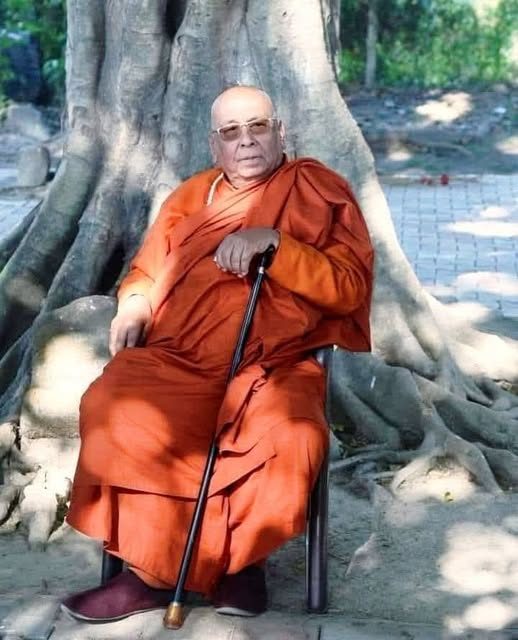
မိတ္ထီလာ အရေးအခင်းဖြစ်ပြီးစတုန်းက အရှင်စန္ဒာဒိက မိန့်ခဲ့တာရှိတယ်- “ဒီမွတ်စလင်တွေဟာ အရင်ဘ၀တုန်းက ကျုပ်တို့ရဲ့ အဖေ အမေဖြစ် ချင်ဖြစ်မယ်၊ ညီအကိုမောင်နှမ ဖြစ်ချင်ဖြစ်မယ်၊ သားသမီးဖြစ်ချင်ဖြစ်မယ်၊ နောင်ဘ၀ ဘာဖြစ် မလဲလည်းဆိုတာမပြောတတ်ဘူး” အဲ့ဒီ ဆရာတော်က သုံးထပ်ကွမ်းလူရည်ချွန် တဲ့တော်တယ်။ ဆေးကျောင်းကို ဝင်ခွင့်အမှတ်မီရဲ့သားနဲ့ မ၀င်ပဲနဲ့ ၊ သာသနာ့ဘောင်ကို ဝင်ပြီး၊ အခုလို ဟောတာ ပြောတာတွေက တကယ်တော်တယ်။ နောက်တော့ အဲ့လိုတွေပြော တဲ့ အခါကြတော့လည်း သူကို တော်တော်များများက ဝိုင်းပယ်ထားကြတာပေါ့။ အစိုးရကရော ဒီချုပ်ကရောပေါ့။
ကျန်တဲ့ မဘသ ဆရာတော်တချို့က ခိုင်းကောင်းတာဆိုတော့ နာဖားကြိုးတပ်ပြီး ခိုင်းထားတာလေ။ သူတို့တွေလည်းသနားပါတယ်။ ဆုပေး ဒဏ်ပေး စနစ်အောက်မှာ နစ်မြောနေကြရရှာတာ၊ သံသရာမှာပြန်ပေးဆပ်ရမှာ ကြောက်ဟန်မပြကြဘူး။
အဲဒီတော့ ဘာလုပ်ရမလဲဆိုတော့-
- ပညာပေးရမယ်
- ကိုယ်ချင်း စာစိတ်ထားရှိရမယ်
- ငြိမ်းချမ်းရေးလုပ်ရမယ်
- သနားညှာတာရမယ်
- အကြမ်းဖက်သူတွေရဲ့ ပြောတဲ့ဟာတွေကို တလွဲကောက်ပြီးတော့ အမှားတွေ မလုပ်ရဘူး
- အမှန်ကိုလုပ်ရမယ်
- ကျနော်တို့ ပေါင်းကူးမှုတွေ လုပ်ရမယ်၊ လက်တွေတွဲရမယ်
သတင်းဌာနတွေကလည်း မျှမျှတတရေးသားတင်ပြဖို့လုပ်ရမယ် ပေါ်လစီတွေပြင်ရမယ် အစိုးရတွေက လူ့အခွင့်အရေးတွေကို သေသေချာချာ ဘက်မလိုက်ပဲနဲ့ လုပ်ဖို့ အရေး ကြီးပါတယ်။
- သမိုင်းကြောင်းအမှန်ကို သိနားလည်ရန် လေ့လာသင်ကြားရမယ်၊
- မီဒီယာတွေက အမှန်တရားကိုသာရေးသားဖေါ်ပြရမယ်
- အာဏာရရှိဖို့ရုန်းကန်မှု၊ အာဏာကိုတာရှည်ထိမ်းချုပ်ထားရှိရေးတို့အတွက် ထိရှလွယ်သော အမျိုး ဘာသာ သာသနာကို ခုတုံးလုပ်နေတာကို တားဆီးတဲ့ဥပဒေတွေ ပြဌာန်းဖို့လိုအပ်ပါတယ်။
- အစ္စလာမ်ကိုကြောက်တာ၊ မွတ်စလင်မုန်းတီးရေးရဲ့အရင်းအမြစ်တွေကို အသိအမှတ်မပြုပဲနဲ့ လူ့အဖွဲ့အစည်းတွေဟာ တရားမျှတမှုနဲ့ နားလည်မှုဆီကို ဦးမတည်နိုင်ပါ။
ဒါကိုကျနော်တို့က အခုမှပြောနေကြတာ ဗိုလ်ချုပ် အောင်ဆန်းက ဟိုးအရင် ကတည်းက ပြောသွားတာနော်– ကျနော့လိုင်းပေါ်မှာလည်း တင်ထားပါတယ် ကိုယ့်ဘာသာအတွက်ကိုယ် လုပ်ကြပါ။ သာသနာ ပြန့်ပွား အောင် လုပ်ကြပါ။ သူများဘာသာ သာသနာကို သွားမစော်ကားနဲ့ နိုင်ငံရေးသမားတွေထဲမှာ ဆိုးရွားတဲ့ နိုင်ငံရေးသ မားတွေ ညစ်ပတ်တဲ့နိုင်ငံရေးသမားတွေအကြောင်း ဗိုလ်ချုပ် အောင်ဆန်းပြောခဲ့တာတော်တော်ကောင်းတယ်။
ဘာသာလူမျိုးမခွဲခြားသော၊ ပြည်ထောင်စုစိတ်ဓာတ်ပဲ့ကိုင်ရှင် ဗိုလ်ချုပ်က “တစ်ခြားနိုင်ငံများလို၊ ဗမာပြည်မှာလည်း တိုင်းရင်းသား လူမျိုးတွေ၊ အများကြီးရှိတာကို တွေ့နိုင်ပါတယ်။ တရုတ်ပြည်၊ ဂျပန်ပြည်နှင့် ရုရှားပြည်တွေမှာလည်း ဒီအတိုင်းပဲ။ အမေရိကန်ပြည်မှာ အင်္ဂလိပ်စကားကိုအသုံးများပေမဲ့၊ အင်္ဂလိပ်၊ အီတလီစတဲ့၊ လူအမျိုးမျိုးတို့ စုပေါင်းပြီး၊ လူမျိုးတစ်မျိုးတည်းဖြစ်အောင် ထူထောင်ပြီးသူတို့ကိုယ်ကို အမေရိကန်လို့ ဆိုကြတာပဲ။ ဒါကြောင့် လူမျိုးရေးတွေကိုကြည့်မယ်ဆိုရင် တစ်မျိုးတည်းကို လိပ်ခဲတည်းလည်း စွဲပြီး၊ ယူလို့မဖြစ်ဘူး။
လူမျိုးရေးတရားဟောလည်း၊ ငါ့လူမျိုးမှငါ့လူမျိုး၊ တစ်ခြားလူမျိုးတွေဟာ၊ ငါ့လောက်မမြတ်၊ ငါ့လူမျိုးသာ ကမ္ဘာမှာကြီးစိုးရမယ်ဆိုတဲ့ ကျဉ်းမြောင်းသေးသိမ်တဲ့၊ လူမျိုးရေးတရားမဟုတ်ဘဲ၊ ကိုယ့်လူမျိုးကိုယ် ချစ်ခင်သော်လည်း၊ တစ်ခြားလူမျိုးများကို မုန်းတီးခြင်း၊ အထင်သေးခြင်းမဖြစ်စေဘဲ ကမ္ဘာမှာတိုင်းပြည် အချင်းချင်းသင့်မြတ်စွာ တစ်ဦးအကျိုးတစ်ဦး ဖြစ်ပွားစေအောင် ဆောင်ရွက်တဲ့ လူမျိုးရေးတရားမျိုးဖြစ်ရမယ်” ဆိုတဲ့ လူမျိုး၊ ဘာသာ၊ သဟဇာတဖြစ်စေမဲ့၊ စည်းလုံးညီညွတ်မှုဖြစ်စေမဲ့ ဓမ္မစကားကို မျှဝေခဲ့ပါတယ်။
ဘာသာရေးယောင်ယောင်၊ နိုင်ငံရေးယောင်ယောင် လူတစ်ပိုင်းဘုန်းကြီးတစ်ပိုင်းပုံစံကို အမျိုးသားခေါင်းဆောင်ကြီးက မနှစ်မြို့ခဲ့ကြောင်းကို ၁၉၄၇ ခု ဖေဖော်ဝါရီလ ၂၇ ရက်နေ့ ရန်ကုန်မြို့ မြို့တော်ခန်းမ မိန့်ခွန်းရဲ့အထဲမှာ “ဗုဒ္ဓဘာသာထဲမှ လူတစ်ပိုင်း၊ ဘုန်းကြီးတစ်ပိုင်း ဖြစ်နေတာတွေကို တပည့်တော်တို့၊ မကြိုက်နှစ်သက်ပါဘူး” ဟု ပြည်သူလူထုတွေကို၊ သတိပေးခဲ့ဖူးပါတယ်။
ဒါအပြင် ဘာသာရေးခုတုံးလုပ်၊ နိုင်ငံရေးအမြတ်ထုတ် တစ်နပ်စား၊ လူ့အတ္တသမားတွေနဲ့ ပတ်သက်ပြီး “နိုင်ငံရေးကို ဘာသာ တရားဖြစ်တယ်လို့ ပြောဆိုနေကြသူတွေဟာ ယုတ်မာညစ်ထေးသော နိုင်ငံရေးသမားတွေပဲဖြစ်တယ်။ သူတို့ရဲ့ ရည်ရွယ်ချက်မှာ အဲ့ဒီလို ကြီးကြီးကျယ်ကျယ် လီဆယ်ပြောဆိုနေကြတာတွေဟာ ပြည်သူတွေရဲ့စိတ်ကို ရှုပ်ထွေးစေပြီး အကြောင်းအကျိုး အကောင်းအဆိုးကို ဝေဖန်နိုင်စွမ်းမရှိအောင် လုပ်နေကြတာသာဖြစ်တယ်။ အမှန်မှာ အဲ့ဒီလူတွေရဲ့ပြုလုပ်မှုတွေဟာ နိုင်ငံရေးမဟုတ်။ သူတို့ရဲ့အကောက် ဉာဏ်ကိုသုံးပြီး သူတို့တို့ကြီးပွားရေးအတွက် တစ်နပ်စား နိုင်ငံရေးပင်ဖြစ်ပါတယ်၊ ကိုးကွယ်တဲ့ဘာ သာတရားတွေရဲ့သက်ဝင်ယုံကြည်မှုပင်ဖြစ်ပါတယ်။ နိုင်ငံရေးမှာကား လူအသီးသီး ရဲ့ပေါင်းသင်းဆက်ဆံမှု သိပ္ပံအတတ်တွေပဲဖြစ်ပါတယ်’ လို့ နိုင်ငံရေးနဲ့ဘာသာရေးကို တစ်ကန့်စီထားရှိဖို့သတိပေးခဲ့တဲ့၊ ရွှေစကား၊ ရွှေမိန့်ခွန်းတွေဟာ ဒီကေနေ့မျက်မှောက်ခေတ်၊ အခြေအနေတွေနဲ့ အံဝင်ခွင်ကျ၊ ဖြစ်နေတာကို အံ့ဩဖွယ်ရာ တွေ့မြင်နေရပါတယ်။
၁၉၄၇ ခုနှစ်၊ မေလမှာမြန်မာနိုင်ငံရဲ့ ဖွဲ့စည်းအုပ်ချုပ်ပုံအခြေခံဥပဒေ ရေးဆွဲရေးအတွက် ဖဆပလ ပဏာမပြင်ဆင်မှုညီလာခံကို ကျင်းပခဲ့ပါတယ်။ အဲ့ဒီညီလာခံမှာ ဘာသာရေးကိုင်းရှိုင်းတဲ့ ဒီးဒုတ် ဦးဘချို က လွတ်လပ်ရေးရတဲ့အခါမှာ ဗုဒ္ဓဘာသာကို နိုင်ငံတော်ဘာသာအဖြစ် ပြဋ္ဌာန်းဖို့ သင့် ကြောင်း အဆိုတင်သွင်းပါတယ်။
အဲ့ဒီအဆိုနဲ့ပတ်သက်ပြီး ဆွေးနွေးကြတဲ့အခါ ဗိုလ်ချုပ်အောင်ဆန်းက ဦးဘချိုကို အောက်ပါ အတိုင်း ချေပပြောဆိုခဲ့ပါတယ်။
“… သည်မှာ ဆရာ ၊ ကျွန်တော်တို့က လူကြိုက်အောင် လုပ်နေတာမဟုတ်ဘူး။ သည်လို မဟုတ် မဟတ် ကိုယ်ထင်ရာတွေ လျှောက်လုပ်နေကြမည်ဆိုလျှင် ကျွန်တော်တို့တိုင်းပြည်ဟာ မကြာမီ ပျက်စီးပြိုကွဲပြီး ကျွန်သားပေါက်ဖြစ်သွားမှာဘဲ။
ကျွန်တော်တို့တိုင်းပြည်မှာ အလောင်းဘုရား လက်ထက်ကတည်းက မူဆလင်တွေရှိတယ်။ ဘရင်ဂျီတွေရှိတယ်။ အစတုန်းက ရှိလာကြတဲ့ နတ်ကိုးကွယ်တဲ့ တောင်းတန်းသားတွေရှိတယ်။ အဲသည်တောင်တန်းသားတွေဟာ အင်္ဂလိပ်လက်အောက်တုန်းက တချို့ ခရစ်ယာန်တွေဖြစ်ပြီး အရိုးစွဲ နေကြတာရှိတယ်။
သူတို့တစ်တွေဟာ အားလုံးနိုင်ငံသားတွေပဲ၊ တိုင်းပြည်ကို ကျွန်တွင်းက လွတ်အောင် တိုက်ထုတ်ကြ တုန်းက ကျွန်တော်တို့ချည်းမဟုတ်ဘူး။ သူတို့တတွေ ပါကြတယ်။
ယခု ကျွန်တွင်းက လွတ်မည်မကြံသေးဘူး သူတို့တွေအပေါ်မှာ အနိုင်ကျင့်ပြီး ငါတို့လူများစုရဲ့ ဘာသာကို နိုင်ငံတော်ဘာသာဖြစ်ရမည်လို့လုပ်လိုက်လျှင် ကျွန်တော်တို့ဟာ ခွေးလောက်တောင် သောက်သုံးမကျတဲ့အကောင်တွေ ဖြစ်သွားကြမှာပေါ့ဆရာ။
တိုင်းပြည်ကို တိုင်းပြည်ရေးလို တွေးစမ်းပါ။ ဘာသာရေးတွေ ဘာတွေညာတွေ လုပ်မနေစမ်းပါနှင့်။ ကျွန်တော်တို့ဟာ တိုင်းပြည်တစ်ခုလုံး စည်းလုံးကြဖို့လိုတယ်၊
… ယခုအချိန်မှာလိုချင်တာက ပြည်ထောင်စုထဲမှာ ရှိနေကြတဲ့ လူမျိုးအားလုံး ဘာသာအားလုံး ဘယ်တော့မှ မပြိုကွဲဘဲ ခွဲထွက်သွားမည့်လူတွေ ပေါ်မလာစေဘဲ နိုင်ငံရေးစိတ်ဓာတ် တစ်ခုတည်း ရှိအောင်သွင်းပြီး စည်းလုံးဖို့လိုတယ်။ နိုင်ငံတော်ဘာသာကို ဗုဒ္ဓဘာသာလုပ်ချင်ရင် ဗုဒ္ဓဘာသာနိုင်ငံတော်လို့ ဆရာဘာသာ ဆရာကြေညာ၊ ကျွန်တော် မပါဘူး။”
၁၉၄၆ ခုနှစ် ဇန်နဝါရီလ (၂၀) ရက် ဖဆပလညီလာခံ (ရွေတိဂုံအလယ်ပစ္စယံ)မှာ သံဃာတော် တွေကို ဗိုလ်ချုပ်အောင်ဆန်းရဲ့ သာသနာရေး သီးခြား လျှောက်ထားချက်။
“ဘာသာရေးသည် ကျွန်ုပ်တို့လူမှုကို ရှုပ်ထွေးစေသည်မဟုတ်။ ဘာသာတရားကို မှီ၍ အသက်မွေးကြကုန်သော သူတို့သာလျှင် ရှုပ်ထွေးစေကြ၏။ ဘာသာတရားကို ကြည့်ပြန်မူ ဤကဲ့သို့သော သူမျိုးကို အားပေးခြင်း မရှိသည်ကို တွေ့မြင်ကြရပေမည်။ သို့သော်လည်း အသီးအသီးသော ဘာသာတရားတို့ကို မှီ၍ အသက်မွေးကြကုန်သော သူများရှိခဲ့ဖူးလေပြီ။
ဥရောပတိုက်၌ ရဟန်းမင်းကြီးများနှင့် ဧကရာဇ်မင်းတို့ အချင်းဖြစ်ပွားခဲ့ပုံ၊ ကျွန်ုပ်တို့ နိုင်ငံ၌ အရည်းကြီးများနှင့် အနော်ရထာမင်းမြတ် အရေးတွေ့ရပုံ၊ အနောက်နိုင်ငံကြီးများ နယ်ချဲ့ရာတွင် သမ္မာကျမ်းစာကိုင်သူတို့က ရှေ့သွားလုပ်၍ အလံကိုင်သူနှင့် ကုန်သည်တို့က နောက်မှ လိုက်ရပုံ အကြောင်းစုံတို့ကို ထောက်ထားလျက် မည်သည့်ကာလဒေသ၌ မဆို ဘာသာတရားကို မှီ၍ အသက်မွေးကြသူများ ရှိခဲ့ဖူးကြောင်းကို ကျွန်ုပ်တို့ သတိရကြပေလိမ့်မည်။
ယခု ဘာသာတရားကို မှီ၍ အသက်မွေးသူများဟု ဆိုရာ၌ ရှင်းလင်းရန်လိုပေသေး၏။ ဘုန်းကြီးပင်ခေါ်ခေါ် ရဟန်းပင်ခေါ်ခေါ် နှစ်မျိုးနှစ်စားရှိ၏။ တစ်မျိုးမှာ ဘာသာတရားကို မှီ၍ အသက်မွေးသူများသာဖြစ်၍ ဘာသာတရားပြန့်ပွားတိုးတက်မှုကို သတိပြုခြင်း အားထုတ်ခြင်း မရှိချေ။ ဘာသာတရားနှင့် ဆန့်ကျင်သောအမှုကိုပင် ပြုကြ၏။ တစ်မျိုးမှာကား ဘာသာတရား တိုးတက်ပြန့်ပွားမှုကို လေးစား၍ လောကီသားတို့၏ အမှုကို ရှေ့ရှုခြင်းမရှိချေ။
ယခုလက်ရှိ တုတ်တွေ၊ ဓါးတွေကိုင်ထားတဲ့ ဘုန်ကြီးပုံတွေတွေ့ရတော့ များစွာ စိတ်မကောင်းဖြစ်မိတယ်။ ဒါကြောင့် ကျွန်တော်ဖတ်ခဲ့ဖူးတဲ့ ဦးနုရဲ့ ငါးနှစ်ရာသီ ဗမာပြည်စာအုပ်ထဲက စာသားတချို့ကို ပြန်လည်ဝေမျှလိုက်ပါတယ်”….
“ကျွန်တော်မှားချင်လည်း မှားမယ်။ ကျွန်တော်ရဲ့ ယုံကြည်ချက်တစ်ခုမှာ အခြားမဟုတ်။ ဘုန်းကြီးအားကိုးနဲ့ နိုင်ငံရေးလုပ်သူတွေဟာ အချောင်သမားတွေပဲဖြစ်ကြပါတယ်”၊ ဆိုတဲ့ အချက်ပင် ဖြစ်ပါတယ်။ “ကိုယ်တိုင်က အပင်ပန်းလည်း မခံနိုင်၊ အနစ်နာလည်း မခံနိုင်ပဲ ကိုယ်တော်တွေကို တစ်ပတ်ရိုက်ပြီး နိုင်ငံရေးထဲ ဆွဲသွင်းတာ ဖြစ်တယ် ကျွန်တော် ယုံကြည်ပါတယ်။
ရဟန်းတွေဟာ လူနဲ့မတူ။ သိက္ခာပုဒ်ပေါင်း အကျဉ်းအားဖြင့် ၂၂၇ပါး၊ အကျယ်အားဖြင့် ကုဋေ ကိုးထောင်ကျော်မျှ ထိန်းထားရတဲ့ ရဟန်းရဲ့ ဘဝဟာအပ်ဖျားပေါ်မှာ မုန်ညင်းစေ့ တင်ထားရသလို အလွန်နူးညံ သိမ့်မွေ့လှတယ်လို့ ဘုရားဟောရှိခဲ့ပါတယ်။
အဲဒီလို နူးညံသိမ့်မွေ့တဲ့ ဘဝရှိတဲ့ ကိုယ်တော်တွေဟာ အလွန်ကြမ်းတမ်းတဲ့ လောကီအလုပ်တွေကို အကြမ်းတမ်းဆုံးလို့ ဆိုအပ်တဲ့ နိုင်ငံရေးလုပ်ငန်းကို အဘယ်မှာပင် လုပ်လို့ဖြစ်နိုင်ပါ့မလဲ။
ကိုယ့်ကျောင်း၊ ကိုယ့်သင်္ကန်းနဲ့ကို လူသူအတွေ့မခံဘဲ နူးညံသိမ့်မွေ့စွာ ပရိယက် ပဋိပတ် လုပ်ငန်းတွေကိုသာ အားထုတ်နေတဲ့ ကိုယ်တော်တွေဆိုရင်ပင်အာပတ် မကြာခဏသင့်လို့အာပတ်ဖြေရတာ၊ ဥပုဒ်ပြုရတာ ၀တ်စောင့်ရတာ အစရှိတဲ့ ဆေးကြောရတဲ့ လုပ်ငန်းတွေကို မကြာခဏ လုပ်ရပါသေးတယ်။
လူအလုပ်ကို ၀င်လုပ်ကြသော ကိုယ်တော်တွေမှာလည်း အဘယ်ဆိုဖွယ်ရာ ရှိတော့အံနည်း။ အဲ့ကိုယ်တော်တွေကို နိုင်ငံရေးထဲဆွဲသွင်းတဲ့ လူတွေဟာ အကုသိုယ့်အပြစ် ဘယ်လောက်ကြီးတယ်ဆိုကို မသိကြတာဟာသနားစရာပင် ဖြစ်တော့တယ်။”
ဦးနုရေး ငါးနှစ်ရာသီ ဗမာပြည်မှ-
လူတွေသတ်၊ မီးတွေရှို့နေတဲ့ ကိုယ်တော်တွေရော လူတွေသတ် မီးတွေရှို့ဖြစ်အောင် လှုံဆော်ခဲ့တဲ့ ကိုယ်တော်တွေရော ဘယ်လို အာပတ်ဖြေမလဲ သိချင်မိတယ်။ အာပတ်ရော ဖြေလို့ ရပါ့မလား…..