By Dr Ko Ko Gyi @ Abdul Rahman Zafrudin
Per kind favour of help by Artificial Intelligence searches.
A New Islamic Educational Series Inspired by Saya Gyi U Nu of Bodawpaya’s Era
In recent months, a respected journalist friend asked me to assist him in writing a book on Islamophobia and the unfair “terrorist” label placed on Muslims worldwide. He presented 23 probing questions, each demanding careful, factual and honest answers.
As I began drafting my responses, I felt that these discussions should not remain private—they must reach the wider public, especially at a time when the world is awash with racism, religious hatred, misinformation, and political manipulation.
This is why I have decided to publish a serial essay titled:
“23 Questions and Answers on the Myth of Islamophobia”
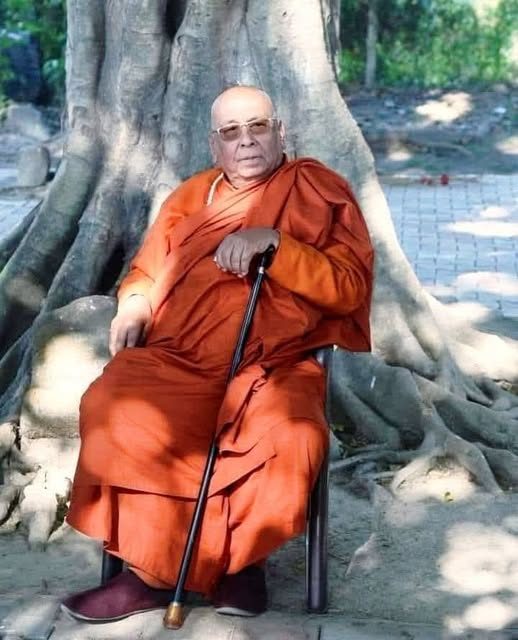
Although the title is unusual, the tradition behind it is not. It follows the path of classical Myanmar Muslim scholarship, especially the work of Saya Gyi U Nu, a leading Burmese Muslim writer during the reign of King Bodawpaya, by the request of His Majesty Bodawpaya himself, who was the schoolmate at the Royal Monastry. They studied together: Burmese, Pali and poetry etc together since young.
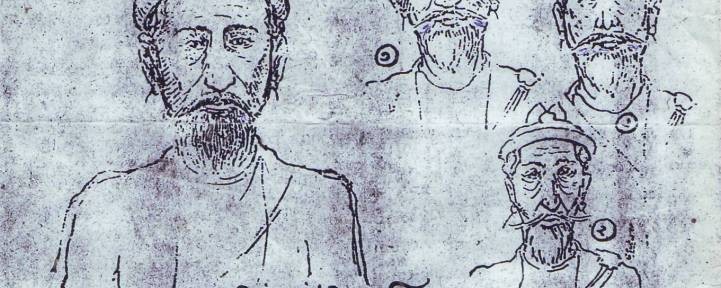
ဘိုးတော်မင်းတရား လက်ထက် ရမ္မာဝတီ မြို့ဝန် စာဆိုတော် ဆရာကြီး ဦးနု – News @ M-Media
Sayagyi U Nu gifted future generations several timeless Islamic classics:
- Islamic Book in Eleven Chapters
- Islamic Book in Three Chapters
- Saerajay Sharaei in 35 Chapters (“The Thirty-Five Chapters Book”)
- Seven-Paragraph Poems on Disciplinary Teachings
He wrote these not for fame, but out of moral duty in a time of fear, suspicion and political pressure. His courage to educate peacefully is exactly what our world needs today.
A World Drowning in Fear, Divisions and Manufactured Hatreds
The sad reality is unmistakable:
Racism, right-wing extremism, and religious hatred exist everywhere—in the US, EU, India, ASEAN countries, Israel, and even within Muslim societies themselves.
Politicians and religious elites frequently weaponize faith, ethnicity, and fear to secure power. Yet, all religions teach compassion, justice, loving-kindness and humanity.
As former UN High Commissioner Mary Robinson wisely warned:
“Today’s human rights violations are the causes of tomorrow’s conflicts.”
Discrimination is a double-edged sword.
If we mistreat someone because they are “foreign,” then we too will be foreign to others, and they could justify mistreating us in the same way.
Daw Aung San Suu Kyi once pointed out an uncomfortable truth:
“There are people who think that it is right to do anything in the name of their religion, their race, their family, or any organization to which they may belong.”
This is precisely the mentality that fuels Islamophobia and all forms of hatred.
Human Rights, Equality and the Foundations of Peace
The UN Charter clearly sets the moral compass:
The purposes of the United Nations include promoting respect for human rights and fundamental freedoms for all, without distinction as to race, sex, language or religion.
Similarly, the Human Rights Committee’s emblem—
“Equality, Justice, Dignity”—
reminds us that these principles are universal, not selective.
Yet across decades and continents, millions have suffered discrimination based on:
- race
- skin color
- religion
- language
- gender
- nationality
- ethnic origin
- even appearance and accents
All forms of intolerance inflict real human suffering.
- Racial discrimination: judging groups instead of individuals
- Xenophobia: fear of the foreign or unfamiliar
- Religious intolerance: denying respect for others’ beliefs
In many deeply religious, authoritarian, or less developed societies, sexism and racism are not even seen as wrong. Some believe they have the right to divide, exclude, and dominate others simply because they are “different.”
Former UN Secretary General Kofi Annan reminded humanity:
“There is no country in the world exempt of discrimination… Racism can, will, and must be defeated.”
He added that ignorance and prejudice are the tools of propaganda, and only knowledge, tolerance and generosity can overcome them.
Why This 23-Part Series Matters
There is only one sustainable way to heal divisions between peoples of different faiths, cultures and histories:
Through peaceful dialogue, mutual respect, and honest education.
Islamophobia thrives because many people know little or nothing about Islam except what they see in sensational news headlines. Likewise, Muslims sometimes misunderstand other faiths or cultures.
This series—“23 Questions and Answers on the Myth of Islamophobia”—is my small contribution toward breaking these chains of fear, suspicion and prejudice.
If Saya Gyi U Nu could write Islamic classics during the turbulent era of Bodawpaya,
we too must speak clearly and calmly today.
Silence allows hatred to grow.
Education weakens it.
Kindly read the followup series listed here:
1/ Q/A No. 1. Before Islamization, what were the civilization and cultures of the Arabs?
2/ Q/A No. 2. How did Prophet started and spread Islam?
3/ Q/A No. 3. Had spread of Islam based on FORCED CONVERSIONS under sword?
4/ Q/A No. 4. What are the Islam’s views on non-Muslims or non-believers?
5/ Q/A No. 5. Why did Islam prohibit the praying to Idolatry or images?
6/ Q/A No.6. How did Islam regard on or protect non-Muslim places of worship?
7/ Q/A No. 7. Does Islam practice racial discrimination?
8/ Q/A No. 8. What did Islam taught Muslims how to treat the poor or lower standard persons?
9/ Q/A No. 9. Why did numerous countries think that Muslims are TERRORISTS?
10/ Q/A No. 10. Why there are a lot of Islamophobia around the world?
11/ Q/A No. 11. Are Muslims terrorists or all the terrorists are being Muslims?
12/ Q/A No. 12. Why are Muslims doing numerous revolutions?
13/ Q/A No. 13. Does Islam allow Muslims to terrorize or does Islam authorize terrorism?
14/ Q/A No. 14. Why are there armed revolutions in some or multiple small Islamic countries now a days?
16/ Q/A No. 16. How should Muslims behave and live amongst others?
17/ Q/A No. 17. How do Islam teach Muslims in the non-Muslim countries, to view on their rulers, their orders, rules, regulations and laws?
18/ Q/A No. 18. What is Jihad? When it is allowed and when it is forbidden?
19/ Q/A No. 19. Is there gender discrimination in Islam?
20/Q/A No. 20. Please explain why INTEREST is forbidden in Islam
21/ Q/A No 21. Is this true that Islam prioritizes PEACE?
22/ Q/A No 22. How should Muslims response to unjust laws of Muslim or non-Muslim rulers?
23/ Q/A No 23. How does Islam taught to stand for the truth for the mass or people?
24/Appendix 1 of 23 Questions and Answers on the Myth of Islamophobia
25/ Appendix 2 of 23 Questions and Answers on the Myth of Islamophobia
26/ Appendix 3 of 23 Questions and Answers on the Myth of Islamophobia
27/ How Ne Win’s Private Fears and a Secret BSPP Report Shaped Decades of Islamophobia in Myanmar
၁/အစ္စလာမ် သာသနာ မထွန်းကား ခင်က အာရပ် လူ့အဖွဲ့အစည်းရဲ့ နေထိုင်မှု ယဉ်ကျေးမှု ပုံစံနှင့် အခြေအနေ
၂/ တမန်တော် မိုဟာမက် (ငြိမ်းချမ်းမှုအပေါင်းရရှိပါစေ) ပွင့်တော်မူပြီး အဲ့ဒီခေတ်မှာ ဘယ်လိုသာသနာပြုခဲ့ရသလဲ?
၃/အစ္စလာမ်သာသနာဟာ ဒါးမိုးပြီးကိုးကွယ်ယုံကြည်ခိုင်းတဲ့ ဘာသာလား?
၄/အစ္စလာမ်ဘာသာက ကိုယ်နဲ့မတူတဲ့ အခြားဘာသာဝင်တွေအပေါ် ဘယ်လိုသဘောထားရှိပါသလဲ?
၅/အစ္စလာမ်ဘာသာဟာ ရုပ်ထုကိုးကွယ်ခြင်းကို ဘာကြောင့်တာမြစ်ရပါသလဲ?
၆/အစ္စလာမ်ဘာသာက အခြားဘာသာဝင်တွေ ဘုရားကျောင်းကန်တွေကိုဘယ် လိုစောင့်ရှောက်ခွင့်ပေးထားပါသလဲ ?ဘယ်လိုသဘောထားရန်ညွှန်ကြားပါသလဲ?
၇/လူမျိုးရေးအသား အရောင် ခွဲခြားမှု့ရှိပါသလား?
၈/ကိုယ့်ထက်နိမ့်ပါးတဲ့ ဆင်းရဲသားတွေအပေါ်မှာ ဘယ်လို ဆက်ဆံ ရန်ညွှန်ကြားပါသလဲ? ဘယ်လိုသတ်မှတ်ထားပါသလဲ?
၉/အစ္စလာမ်ဘာသာဝင်တွေကို အကြမ်းဖက်အဖြစ်နိုင်ငံတော်တော်များများက သတ်မှတ်ကြတယ် ဘာကြောင့်လဲ?
၁၀/ ကမ္ဘာ့ နေရာတော်တော်များမှာ အစ္စလာမ် မုန်းတီးရေးတွေလုပ်နေကြတယ် ဘာကြောင့်လဲ?
၁၁/အစ္စလာမ်ဘာသာဝင်တွေက အကြမ်းဖက်တာလား အကြမ်းဖက်တွေအားလုံးက အစ္စလာမ်ဘာသာဝင်တွေလား?
၁၂/အစ္စလာမ်ဘာဟာဝင်တွေဟာ ဘာကြောင့်တော်လှန်ရေးတွေ လုပ်နေကြရတာလဲ?
၁၃/အစ္စလာမ်ဘာသာက အကြမ်းဖက်မှု့ကို ခွင့်ပြုထားသလား?
၁၄/အစ္စလာမ်ဘာသာဝင် အချို့နိုင်ငံငယ်လေးတွေမှာ ဘာကြောင့် လက်နက်ကိုင်တော်လှန်နေကြတာလဲ?
၁၅/တမန်တော်က အစ္စလာမ်ဘာသာဝင်တွေအတွက် ဘယ်လိုဆုံးမ သြဝါဒ တွေပေးထားပါသလဲ?
၁၆/အစ္စလာမ်ဘာသာဝင်တွေအနေနဲ့ လူ့ပတ်ဝန်းကျင်မှာဘယ်လို ပြုမူနေထိုင်သင့်ပါသလဲ?
၁၇/ တိုင်းပြည်အုပ်ချုပ်တဲ့သူတွေအပေါ်မှာ ဘယ်လိုသဘောထားရပါသလဲ?
၁၈/ဂျီဟတ်ရဲ့သဘောသဘာဝကိုရှင်းပြပါ
၁၉/ာ မိန်းမ ယောကျ်ားခွဲခြားမှု့ရှိပါသလား?
၂၀/ အတိုးမစားရတဲ့အကြောင်းရှင်းပြပါ
၂၁/အစ္စလာမ်ဘာသာဟာ ငြိမ်းချမ်းရေးကို အဓိက ထားတယ်ဆိုတာ ဟုတ်ပါသလား?
၂၂/ မတရားတဲ့အမိန့်အာဏာတွေကို အစ္စလာမ်ဘာသာဝင် မွတ်စလင်တွေက ဘယ်လို တုန့်ပြန်ရပါသလဲ?
၂၃/အမှန်တရားနဲ့ ပတ်သက်လာပြီး လူအများအတွက် အစ္စလာမ်ဘာသာက ဘယ်လိုရပ်တည်ဖို့ ညွန်ပြထားပါသလဲ?