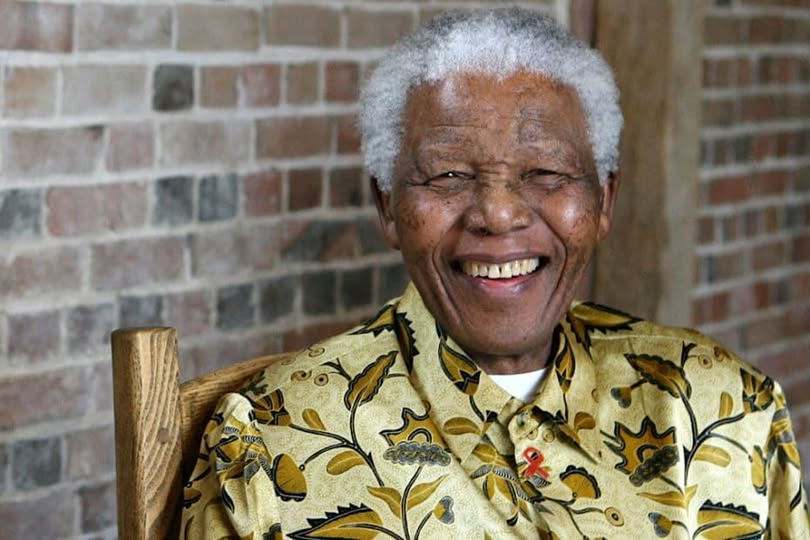
The story of Nelson Mandela inviting his former jailer to lunch in a restaurant and refusing to take revenge is widely circulated as an inspirational anecdote, but appears to be a fabricated story or a conflation of real events. While the account captures Mandela’s spirit of reconciliation, details within the story contradict factual accounts of his imprisonment.
The Popular Anecdote
The story, often shared in social media posts and inspirational blogs, typically describes the following sequence of events:
- After becoming president, Mandela was at a restaurant with his security detail when he noticed a man eating alone at a nearby table.
- Mandela invited the man to join them. The man’s hands were trembling as he ate, leading the security officers to believe he was ill.
- Mandela explained that the man was a former prison guard who used to torture him and, when he begged for water, would urinate on his head.
- Mandela stated the man was trembling out of fear of retaliation, but clarified that revenge was not his character, as “minds that seek revenge destroy states, while those that seek reconciliation build nations”.
Factual Discrepancies
Fact-checking sources indicate that elements of this specific anecdote are inconsistent with historical records:
- Physical Torture: Mandela stated in his book Long Walk to Freedom and in other accounts that he was not subjected to physical torture, though many other prisoners were. The specific, brutal detail about the guard urinating on him is part of the fictionalized narrative.
- Nature of Reconciliation: While the general message of forgiveness is true to Mandela’s philosophy, the specific restaurant encounter is likely an embellishment.
Real Acts of Reconciliation
The anecdote likely stems from real events that demonstrated Mandela’s genuine commitment to forgiveness and reconciliation in post-apartheid South Africa:
- Inviting the Prosecutor: As president, Mandela had lunch with Percy Yutar, the state prosecutor who successfully argued for his life imprisonment sentence in 1964.
- Inviting Jailers to Inauguration: Mandela invited his former prison guards to his presidential inauguration ceremony as guests of honor, an act that deeply moved many and symbolized his push for national healing. One of his most well-known warders, Christo Brand, later developed an unlikely friendship with Mandela and spoke about how Mandela changed his views.
- Release of Anger: Mandela famously stated that as he walked out of prison, he knew that if he didn’t leave his bitterness and hatred behind, he would still be a prisoner.
The story, while not literally true in all its dramatic details, serves as a powerful illustration of Mandela’s core philosophy of reconciliation over revenge.