Xi Jinping’s Unusual Appearance Stirs Fresh Doubts About His Control
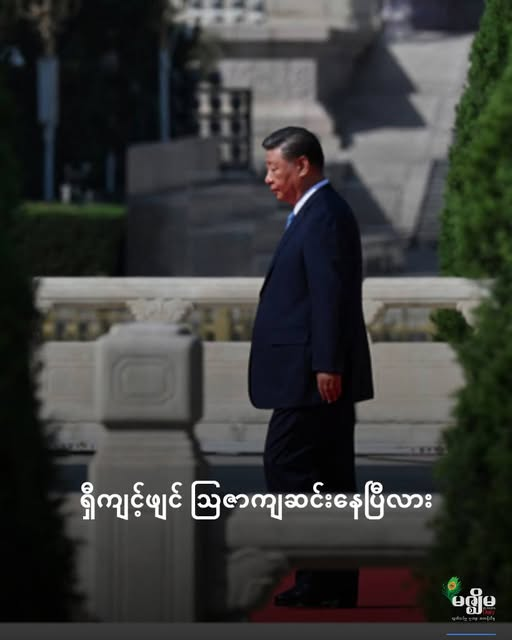
China’s President Xi Jinping walks to the Monument to the People’s Heroes during a wreath laying ceremony to honour deceased national heroes on Martyrs’ Day in Beijing’s Tiananmen Square on Sept. 30, 2025. (Image: Greg Baker/AFP via Getty Images)
As China’s Fourth Plenum wrapped up, a pair of unexpected political signals emerged from Beijing—one from within the Central Military Commission, and another from Xi Jinping himself. Together, they have stirred fresh speculation about the Chinese leader’s status, his control over the military, and even the authenticity of his recent public appearances.
On Nov. 3, Zhang Youxia and the newly promoted vice chairman of the Central Military Commission, Zhang Shengmin, appeared together at a high-profile “Fourth Plenum study and briefing session.” It was Zhang Shengmin’s first major public moment since taking over the military’s powerful personnel and discipline portfolios.
His speech should have been routine. It wasn’t.
Observers noticed that although Zhang repeated the standard formulas—“the two establishments,” “the two safeguards,” and references to the “Chairman responsibility system”—he never once mentioned Xi Jinping by name.
Anyone familiar with Chinese political culture knows how extraordinary this is. In the Party’s hierarchy, the presence or absence of a leader’s name in a key speech is not a stylistic choice. It is a political message.
And it is not the first time.
In sensitive moments over the past year, military articles and commentary have offered generic declarations of loyalty to “the Party,” while avoiding the leader himself. Even elite units such as the 82nd Group Army published pieces pledging faith to “the Party” without naming Xi—a departure unimaginable just a few years ago.
Zhang Shengmin’s omission, coming immediately after a broad purge of nine senior generals, reads less like an oversight and more like a signal: the military center of gravity may no longer rest with Xi Jinping.
History as a warning
The importance of naming—or refusing to name—leaders is deeply rooted in Party history. In one famous incident during the Cultural Revolution, the Shanghai Peking Opera troupe shouted “Long live Chairman Mao” on stage, followed by “Wishing Vice Chairman Lin Biao everlasting health.”
Mao nudged Lin with an elbow and joked, “Your turn.” Lin immediately panicked.
He rushed home, ordered all slogans praising him to be removed overnight, and wrote to Zhou Enlai insisting that no event, publication, or performance should ever pair his name with Mao’s again.
What appeared playful was anything but. The stakes were life and death.
And Mao had already given warnings of his own. In 1966, he instructed Lin to read two historical biographies: the tale of strategist Guo Jia, who died young after serving Cao Cao; and the story of Fan Ye, an official executed with his entire family for involvement in a rebellion. Many historians view this as Mao’s coded reminder: choose the right fate.
These stories linger in the institutional memory of the Party. They shape how political actors interpret silence, omission, and nuance today.
Signals from the military hierarchy
Zhang Shengmin’s rise came on the heels of the dramatic downfall of nine senior commanders—individuals associated, directly or indirectly, with Xi’s military reshuffle. Having helped remove these figures, Zhang now holds the levers of personnel and discipline.
His first public message, delivered without Xi’s name, reinforced a view emerging from recent political turbulence: real authority in the military may now lie with Zhang Youxia, while Zhang Shengmin serves as the executive enforcer.
The pattern resembles past transitions where the Party masked internal fractures with outward slogans. Even during 1976—when Mao died and his handpicked successor Hua Guofeng joined forces with security chief Wang Dongxing and Party elders—the dominant narrative remained the “great victory of Mao Zedong Thought,” even as power shifted behind the scenes.
Today, similar echoes can be heard. The slogans remain. The allegiance, perhaps, does not.
Alongside the political signals came a visual one.
During the Oct. 30 Trump–Xi meeting in Busan, Xi appeared noticeably different. Trump, at 79, spoke fluidly and at length. Xi, seven years younger, read line by line from a sheet of paper.
But what drew the most attention was Xi’s movement.
For years, Xi has shown signs of physical difficulty—stiff posture, short steps, reliance on support when sitting down, the absence of stair-climbing footage during foreign visits, and occasional limping. During China’s Two Sessions earlier this year, cameras captured him repeatedly massaging his legs under the table.
Yet in Busan, as the two leaders stepped away from the podium, Xi suddenly descended the steps with uncharacteristic ease, moving noticeably faster than in past appearances.
Some observers even felt he looked taller standing next to Trump—raising questions about whether the man in Busan was Xi himself or a body double. His rigid reliance on a written script, critics argue, fits the behavior of a stand-in rather than a leader fully in command.
Whether the speculation holds any truth remains impossible to confirm. But the contrast between Xi’s past mobility issues and his suddenly rapid, almost agile movement has kept discussion alive across Chinese and overseas social media.
ရှီကျင့်ဖျင် ဩဇာကျဆင်းနေပြီလား

ဓာတ်ပုံ- တရုတ်သမ္မတ ရှီကျင့်ဖျင်သည် ၂၀၂၅ ခုနှစ်၊ စက်တင်ဘာလ ၃၀ ရက်၊ အာဇာနည်နေ့တွင် ပေကျင်းမြို့၊ တီယန်မင်ရင်ပြင်ရှိ ပြည်သူ့သူရဲကောင်း အထိမ်းအမှတ်ကျောက်တိုင်သို့ အမျိုးသားသူရဲကောင်းများအား ဂုဏ်ပြုသော ပန်းခွေချ အခမ်းအနား၌ လမ်းလျှောက်လာစဉ်။
Vision Times
တရုတ်ကွန်မြူနစ်ပါတီ၏ စတုတ္ထအကြိမ်မြောက်မျက်နှာစုံညီအစည်းအဝေးအပြီးတွင် မျှော်လင့်မထားသော နိုင်ငံရေးအချက်ပြမှု နှစ်ခု ထွက်ပေါ်လာခဲ့သည်။
တခုမှာ ဗဟိုစစ်ကော်မရှင်အတွင်းမှဖြစ်ပြီး၊ နောက်တခုမှာ ရှီကျင့်ဖျင် ကိုယ်တိုင်ထံမှ ဖြစ်သည်။
ယင်းနှစ်ခုကို ပေါင်းစပ်ပြီးနောက် တရုတ်ခေါင်းဆောင်၏ အခြေအနေ၊ စစ်တပ်အပေါ် သူ၏ ထိန်းချုပ်မှု နှင့် မကြာသေးမီက လူထုရှေ့ထွက်ပေါ်မှုများ၏ စစ်မှန်မှုအပေါ်တွင်ပင် သံသယအသစ်များ ပေါ်ပေါက် လာစေခဲ့သည်။
နိုဝင်ဘာလ ၃ ရက်တွင် ကျင်းပခဲ့သော “စတုတ္ထအကြိမ်မြောက် မျက်နှာစုံညီအစည်းအဝေးဆိုင်ရာ လေ့လာရေးနှင့် အကျဉ်းချုပ်တင်ပြပွဲ” တခု၌ ကျန်းယိုရှားနှင့် မကြာသေးမီကမှ ရာထူးတိုးမြှင့်ခံရသော ဗဟိုစစ်ကော်မရှင်၏ ဒုတိယဥက္ကဋ္ဌ ကျန်းရှန်မင်တို့ အတူတကွတက်ရောက်ခဲ့သည်။
ကျန်းရှန်မင်က စစ်တပ်၏ ဩဇာကြီးမားသော ဝန်ထမ်းရေးရာနှင့် စည်းကမ်းထိန်းသိမ်းရေးဆိုင်ရာ လုပ်ငန်းများကို လွှဲပြောင်းရယူပြီးနောက် ပထမဆုံးအကြိမ် လူထုရှေ့ ထွက်ပေါ်လာမှုဖြစ်သည်။
ကျန်းရှန်မင်၏ မိန့်ခွန်းသည် ပုံမှန်အတိုင်း ဖြစ်သင့်သော်လည်း၊ ပုံမှန်မဟုတ်ခဲ့ပါ။
လေ့လာသူများ သတိပြုမိသည်မှာ ကျန်းရှန်မင်သည် စံနှုန်းဖြစ်သည့် စကားလုံးပုံသေနည်းများဖြစ် သော “အခြေခံအုတ်မြစ် နှစ်ရပ်”၊ “အကာအကွယ် နှစ်ရပ်” နှင့် “ဥက္ကဋ္ဌ တာဝန်ယူမှုစနစ်”ကို ကိုးကားပြောဆို ခဲ့သော်လည်း၊ ရှီကျင့်ဖျင်ကို နာမည်တပ်၍ တခါမျှ မဖော်ပြခဲ့ခြင်းဖြစ်သည်။
တရုတ်နိုင်ငံရေးယဉ်ကျေးမှုကို သိကျွမ်းသူတိုင်းက ဤအချင်းအရာသည် မည်မျှထူးခြားကြောင်း သဘော ပေါက်ကြသည်။
ပါတီ၏ အဆင့်ဆင့်ဖွဲ့စည်းပုံတွင် အရေးပါသော မိန့်ခွန်းတခု၌ ခေါင်းဆောင်၏ နာမည်ကို ထည့်သွင်း ခြင်း (သို့မဟုတ်) ဖယ်ရှားခြင်းသည် စကားပြောဟန် ရွေးချယ်မှု သက်သက်မဟုတ်ဘဲ နိုင်ငံရေးသတင်း စကားတခုပင် ဖြစ်သည်။
ဤကဲ့သို့ ရှီကျင့်ဖျင်၏ နာမည်ကို မဖော်ပြခြင်းသည် ပထမဆုံးအကြိမ် မဟုတ်ပေ။
ပြီးခဲ့သောတနှစ်အတွင်း ထိလွယ်ရှလွယ်သော အချိန်အခါများတွင် စစ်တပ်ဆိုင်ရာ ဆောင်းပါးများနှင့် ဝေဖန်သုံးသပ်ချက်များတွင် ခေါင်းဆောင်နာမည်ကို မဖော်ပြဘဲ၊ “ပါတီ” အပေါ် သစ္စာခံကြောင်း ယေဘုယျအားဖြင့်သာ ထုတ်ဖော် ပြောကြားခဲ့သည်။
ပြီးခဲ့သည့် နှစ်အနည်းငယ်က စိတ်ကူး၍ပင် မရနိုင်သည့် ပုံစံကွဲထွက်မှုအဖြစ် (၈၂) တပ်မတော်အုပ်စု ကဲ့သို့သော ထိပ်တန်းတပ်ဖွဲ့များက ရှီကျင့်ဖျင်နာမည်ကို မဖော်ပြဘဲ “ပါတီ” အပေါ်သာ သစ္စာစောင့် သိကြောင်း ဆောင်းပါးများ ထုတ်ပြန်ခဲ့သည်။
အဆင့်မြင့် ဗိုလ်ချုပ်ကြီး ကိုးဦးကို ဖယ်ရှားပြီးနောက် ချက်ချင်းဆိုသလို ထွက်ပေါ်လာသော ကျန်းရှန်မင်၏ ရှီကျင့်ဖျင် နာမည်ကို မဖော်ပြခြင်းသည် လစ်ဟင်းမှုထက် အချက်ပြမှုတခုနှင့် ပိုတူပါသည်။
ယင်းမှာ စစ်တပ်၏ သစ္စာခံမှုသည် ရှီကျင့်ဖျင်ထံ၌ မရှိတော့သည့် အရိပ်အယောင်ပင် ဖြစ်သည်။
သမိုင်း သင်ခန်းစာ
ခေါင်းဆောင်များ၏ နာမည်ကို ဖော်ပြခြင်း (သို့မဟုတ်) ဖော်ပြရန် ငြင်းဆိုခြင်း၏ အရေးပါမှုသည် ပါတီ သမိုင်းတွင် နက်နက်ရှိုင်းရှိုင်း အမြစ်တွယ်နေသည်။
နာမည်ကျော်ဖြစ်ရပ်တခုအနေဖြင့် ယဉ်ကျေးမှုတော်လှန်ရေးကာလအတွင်း ရှန်ဟိုင်းပေကျင်းအော်ပရာ အဖွဲ့ သည် စင်မြင့်ပေါ်တွင် “ဥက္ကဋ္ဌ မော် အသက်ရှည်ပါစေ” ဟု ကြွေးကြော်ခဲ့ပြီးနောက် “ဒုတိယဥက္ကဋ္ဌ လင်ပြောင် အမြဲတမ်း ကျန်းမာပါစေလို့ ဆုတောင်းပါတယ်” ဟူ၍ ဆက်လက် ကြွေးကြော်ခဲ့သည်။
ထိုအခါ မော်စီတုန်းက လင်ပြောင်ကို တံတောင်ဖြင့် တွက်ပြီး နောက်ပြောင်၍ “မင်း အလှည့်ရောက်ပြီ” ဟု ပြောဆိုခဲ့သည်။ လင်ပြောင်သည် ချက်ချင်းပင် ထိတ်လန့်သွားခဲ့သည်။
သူသည် အိမ်သို့ အလျင်အမြန် ပြန်သွားပြီး၊ သူ့ကို ချီးမွမ်းသည့် ကြွေးကြော်သံများအားလုံးကို ညတွင်းချင်း ဖယ်ရှားခိုင်းကာ၊ သူ၏အမည်ကို မော်စီတုန်း၏အမည်နှင့် တွဲဖက်၍ မည်သည့်အခါမျှ ထုတ်ဝေခြင်း၊ ဖျော်ဖြေခြင်း မပြုလုပ်ရန် ဝန်ကြီးချုပ် ချုအင်လိုင်းထံ စာရေး၍ အသည်းအသန် တောင်းဆိုခဲ့သည်။
ရယ်စရာပုံ ပေါက်သော်လည်း ထိုသို့မဟုတ်ခဲ့ပါ။ သေရေးရှင်ရေး အထိ အရေးကြီးသည့် အခြေအနေ ဖြစ်ပါသည်။
မော်စီတုန်းကိုယ်တိုင်ကလည်း လင်ကို သတိပေးခဲ့ပြီးဖြစ်သည်။ ၁၉၆၆ ခုနှစ်တွင် မော်စီတုန်းက လင်ပြောင်အား သမိုင်းဆိုင်ရာ အတ္ထုပ္ပတ္တိနှစ်ခုကို ဖတ်ရှုရန် ညွှန်ကြားခဲ့သည်။ ယင်းတို့မှာ ချောင်ချောင်ထံတွင် အမှုထမ်းပြီးနောက် အသက်ငယ်ငယ်ဖြင့် ကွယ်လွန်ခဲ့သော မဟာဗျူဟာပညာရှင် ကော်ကျား၏ ဇာတ်လမ်းနှင့် ပုန်ကန်မှုတွင် ပါဝင်ခဲ့သောကြောင့် မိသားစုနှင့်အတူ ကွပ်မျက်ခံခဲ့ရသော အရာရှိတဦးဖြစ်သူ ဖန်ရီတို့ အကြောင်း ဖြစ်သည်။
ယင်းသည် မှန်ကန်သော ကံကြမ္မာကို ရွေးချယ်ရန် မော်စီတုန်း၏ လျှို့ဝှက်သတိပေးချက်အဖြစ် သမိုင်းပညာရှင် အများအပြားက ရှုမြင်ကြသည်။
ဤဇာတ်လမ်းများသည် ပါတီ၏ အဖွဲ့အစည်းဆိုင်ရာ မှတ်ဉာဏ်အတွင်း၌ စွဲမြဲတည်ရှိနေသည်။ ယင်းဇာတ်လမ်းများသည် နိုင်ငံရေးသမားများက ယနေ့ခေတ် တိတ်ဆိတ်နေခြင်း၊ မဖော်ပြခြင်းနှင့် သိမ်မွေ့သောကွဲပြားမှုအရိပ်အယောင်များကို မည်သို့ အနက်ဖွင့်ပုံအား ဖော်ပြပေးသည်။
စစ်အာဏာပိုင်အဖွဲ့အစည်းမှ အချက်ပြမှုများ
ကျန်းရှန်မင်ရာထူးတက်လာခြင်းသည် ရှီ၏ စစ်တပ်ပြုပြင်ပြောင်းလဲမှုနှင့် တိုက်ရိုက်သော်လည်းကောင်း၊ သွယ်ဝိုက်၍သော်လည်းကောင်း ဆက်စပ်နေသော အကြီးတန်း စစ်ဗိုလ်ချုပ်ကိုးဦး အကြီးအကျယ် ရာထူးပြုတ်ကျပြီးနောက်တွင် ဖြစ်သည်။
ယင်းပုဂ္ဂိုလ်များကို ဖယ်ရှားရာတွင် ကူညီခဲ့ပြီးနောက် ယခုအခါ ကျန်းရှန်မင်သည် စစ်တပ်၏ ဝန်ထမ်း ရေးရာနှင့် စည်းကမ်းထိန်းသိမ်းရေးအာဏာများကို ချုပ်ကိုင်ထားသူဖြစ်လာခဲ့သည်။
ရှီကျင့်ဖျင်၏ နာမည်မဖော်ပြခဲ့သည့် ၎င်း၏ ပထမဆုံး လူထုတွေ့ဆုံမှုသည် မကြာသေးမီက ဖြစ်ပေါ်ခဲ့ သည့် နိုင်ငံရေး မငြိမ်မသက်မှုများမှ ပေါ်ထွက်လာသော အမြင်တခုကို ပိုမိုခိုင်မာစေခဲ့သည်။ ယင်းအမြင်မှာစစ်တပ်အတွင်း အမှန်တကယ် အာဏာသည် ယခုအခါ ကျန်းယိုရှန်ထံတွင် ရှိနေနိုင်ပြီး၊ ကျန်းရှန်မင်သည် အုပ်ချုပ်မှုအပိုင်း တာဝန်ယူရသူ ဖြစ်လာသည်။
ဤပုံစံသည် ပါတီတွင်း ပဋိပက္ခများကို အပြင်ပန်း ကြွေးကြော်သံများဖြင့် ဖုံးကွယ်ခဲ့သော အတိတ်က အသွင်ကူးပြောင်းမှုများနှင့် ဆင်တူနေသည်။
နိုင်ငံရေးဆိုင်ရာ အချက်ပြမှုများအပြင် အမြင်ဆိုင်ရာ အချက်ပြမှုတခုလည်း ထွက်ပေါ်လာခဲ့သည်။.
အောက်တိုဘာလ ၃၀ ရက်က ဘူဆန်တွင် ပြုလုပ်ခဲ့သော ထရမ့်နှင့် ရှီတွေ့ဆုံပွဲတွင် ရှီကျင့်ဖျင်သည် ပုံစံတမျိုးဖြစ်နေသည်။ ၇၉ နှစ်အရွယ် ထရမ့်သည် သွက်လက်စွာနှင့် အချိန်ကြာမြင့်စွာ စကားပြောဆိုခဲ့ သော်လည်း၊ ခုနစ်နှစ် ပိုငယ်သူ ရှီကျင့်ဖျင်သည် စာရွက်တရွက်မှ စာကြောင်းများကို တကြောင်းချင်းစီ ဖတ်နေခဲ့သည်။
သို့သော် လူအများဆုံး သတိပြုမိသည်မှာ ရှီကျင့်ဖျင်၏ ကိုယ်အမူအရာ ဖြစ်သည်။
နှစ်များစွာကြာအောင် ရှီကျင့်ဖျင်သည် ရုပ်ပိုင်းဆိုင်ရာ အခက်အခဲတချို့ကို ဖော်ပြခဲ့သည်။ မာတောင့် တောင့် ကိုယ်ဟန်၊ ခြေလှမ်းကျဉ်းများ၊ ထိုင်ရာတွင် အထောက်အပံ့လိုအပ်ခြင်း၊ နိုင်ငံခြား ခရီးစဉ်များ အတွင်း လှေကားတက်သည့် ပုံရိပ်များမရှိခြင်းနှင့် တခါတရံ ထော့နဲ့ထော့နဲ့ သွားခြင်းတို့ ဖြစ်သည်။
ယခုနှစ် အစောပိုင်း တရုတ်၏ “ညီလာခံနှစ်ရပ်”ကာလတွင် ကင်မရာများက စားပွဲအောက်၌ သူသည် ၎င်း၏ ခြေထောက်များကို ထပ်ခါတလဲလဲ နှိပ်နယ်နေသည်ကို မှတ်တမ်းတင်နိုင်ခဲ့သည်။
သို့သော် ဘူဆန်တွင် ခေါင်းဆောင်နှစ်ဦး စင်မြင့်မှ ထွက်ခွာစဉ် ရှီကျင့်ဖျင်သည် ပုံမှန်မဟုတ်ဘဲ အလွယ် တကူ လှေကားများမှ ဆင်းသွားခဲ့ပြီး၊ ယခင်ထက် သိသာလျင်မြန်စွာ လှုပ်ရှားသွားလာခဲ့သည်။
လေ့လာသူတချို့က ထရမ့်ဘေးတွင် ရပ်နေသည့် ရှီကျင့်ဖျင်သည် အရပ်ပိုရှည်နေပုံရသည်ဟု ခံစားရ သောကြောင့် ဘူဆန်မှ ထိုသူသည် ရှီကျင့်ဖျင် ကိုယ်တိုင်မဟုတ်ဘဲ၊ ကိုယ်ပွားဖြစ်နိုင်သည်ဟူသော မေးခွန်းများပေါ်ထွက်လာခဲ့သည်။
ရေးသားထားသော စာမူကို အလွန်အမင်း မှီခိုအားထားခြင်းသည် အာဏာအပြည့်အဝရှိသော ခေါင်းဆောင်တဦး၏ အပြုအမူထက် ကိုယ်စားလှယ်တဦး၏ အပြုအမူနှင့် ပိုမိုတူကြောင်း ဝေဖန်သူများ က ငြင်းခုံကြသည်။
ဤခန့်မှန်းချက် မှန်မမှန်ကို အတည်ပြုရန် မဖြစ်နိုင်သေးပေ။
သို့သော် ရှီကျင့်ဖျင်၏ ယခင် ရုပ်ပိုင်းဆိုင်ရာ လှုပ်ရှားမှုပုံစံများနှင့် ရုတ်တရက် လျင်မြန်သွက်လက်သော လှုပ်ရှားမှုအကြား ဆန့်ကျင်ဘက်အခြေအနေက တရုတ်နှင့် ပြည်ပ လူမှုမီဒီယာများတွင် အငြင်းပွားမှုများ ဖြစ်စေခဲ့သည်ကတော့ အမှန်ဖြစ်သည်။
Vision Times မှ Xi Jinping’s Unusual Appearance Stirs Fresh Doubts About His Control အား သောမတ်ဘာသာ ပြန်သည်။