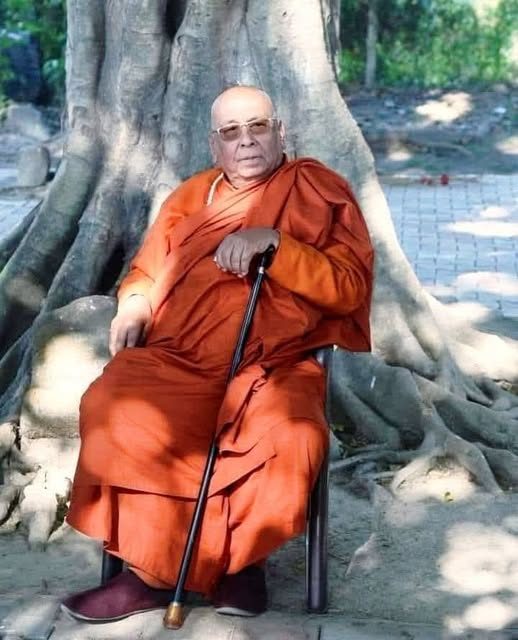
In every great civilization, progress and peace have always depended not on one man’s wisdom alone, but on the collective consultation and moral unity of its people. Whether in religion or in governance, the spirit of brainstorming—gathering minds together in search of truth—is universal.
Buddhism: The Spirit of Consultation and Harmony
In the Buddhist world, consultation and disciplined dialogue have deep roots. One of the most remarkable examples in modern times was the Sixth Buddhist Synod (Sangayana), convened in 1954–1956 during the premiership of U Nu of Burma (Myanmar). Thousands of learned monks from all Buddhist countries gathered at Kabar Aye (World Peace Pagoda) in Yangon. Their aim was to carefully review, verify, and recite the Pali Canon to preserve the purity of Lord Buddha’s teachings. This was, in essence, an ancient form of global brainstorming for truth, undertaken with humility, discipline, and unity of purpose.

Lord Buddha himself taught his disciple Ananda that a community of rulers or people who meet regularly in harmony will never decline. These are known as the “Aparihāniya Dhamma” — the Seven Principles of Non-Decline or the Seven Precepts for Kings and Rulers. The first two principles are:

- To assemble in harmony and unity.
- To discuss, decide, and disperse in unity.
These principles are not merely political advice—they are timeless lessons on how harmony and consultation preserve strength and prevent downfall. In modern language, they teach us the art of respectful brainstorming: listening, sharing, and deciding as one.
Islam: Shura — Collective Consultation as a Religious Duty
In Islam, the concept of Shura (consultation) is a divine command. The Qur’an (42:38) praises those “who conduct their affairs by mutual consultation.” Prophet Muhammad ﷺ practiced this deeply—whether in matters of governance, war, or community welfare. Even when he himself was divinely guided, he consulted his companions on issues like the Battle of Uhud or the defense of Madinah.
The essence of Shura is humility—the recognition that no single person holds all wisdom. It teaches Muslims to discuss differences with respect, and to unite in decisions for the common good. This mirrors the Buddhist precept of assembling and dispersing in harmony.

Christianity: The Spirit of Fellowship and the Councils of the Church
Christian history also celebrates the tradition of collective reflection. The Ecumenical Councils, beginning with the Council of Nicaea (AD 325), gathered bishops and scholars to debate and define the essential doctrines of the faith. These councils often lasted months or even years, but they exemplified the idea that divine guidance can emerge through sincere dialogue and fellowship.
Jesus himself said, “For where two or three are gathered in My name, there am I in the midst of them” (Matthew 18:20). This is not only a spiritual promise but also a profound endorsement of joint reflection and prayerful discussion.
Judaism: The Rabbinic Tradition of Argument for Heaven’s Sake
In Jewish tradition, intellectual and moral debate is sacred. The Talmud records lively discussions among rabbis, sometimes with opposing views—yet all considered “arguments for the sake of Heaven.” The key was not to win an argument but to seek truth and justice.
This Jewish model of dialogue teaches that truth often shines brighter through respectful disagreement. It is brainstorming in its purest form—where multiple minds sharpen each other like “iron sharpens iron.”
Hinduism: The Sabha and the Spirit of Dharma Dialogue
Ancient Hindu civilization also valued collective wisdom. The Sabha or council was central to both governance and spiritual discourse. In the Mahabharata, Lord Krishna and the elders constantly advised rulers to deliberate before action. The Upanishads themselves are full of philosophical dialogues—teachers and students questioning each other to uncover deeper truths.
Hindu philosophy sees brainstorming not as debate but as Manthan—a “churning of the ocean” of knowledge to produce Amrita, the nectar of wisdom. When done with sincerity and humility, it brings enlightenment, not division.
A Shared Message for Our Times
Across all these faiths, the message is remarkably consistent:
True progress comes through consultation, unity, and moral discipline.
In a world divided by ideology, sect, and identity, this shared interfaith wisdom offers a healing message. Differences should not divide us—they should refine our understanding. Whether in the monastery, mosque, church, synagogue, or temple, brainstorming with humility and mutual respect remains the sacred path toward peace and truth.
Conclusion
From the Buddhist Sangayana at Kabar Aye to Islamic Shura, from Christian councils to Jewish Talmudic debates, and from Hindu sabhas to modern interfaith dialogues, the spirit is the same. When human beings gather in sincerity and humility to discuss what is right and true, they embody one of the most divine qualities bestowed upon humankind — the ability to think together for the common good.